
The Role of Online Research in Modern Car Buying Decisions
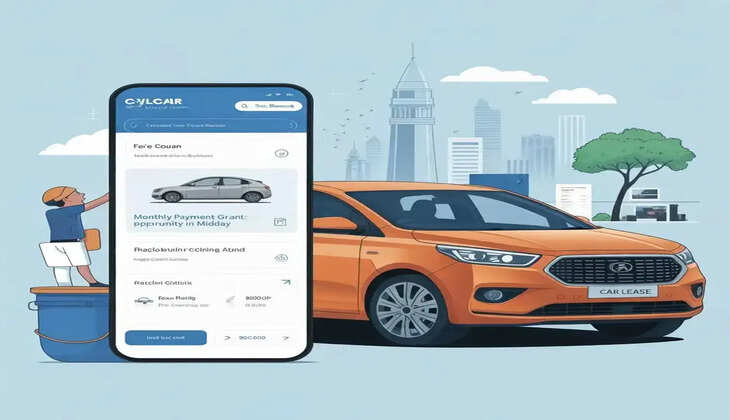
Buying a car is one of the most important financial decisions for many individuals and families. While the process once relied heavily on dealership visits and word-of-mouth recommendations, it has now evolved into a research-driven journey powered by digital platforms.
Today, online research plays a central role in how buyers shortlist, compare, and finalise their car purchase. From understanding features to evaluating long-term ownership costs, the modern car buyer is more informed than ever.
The Shift Towards Research-First Buying
In the past, most buyers would visit a showroom as the first step. Now, the journey usually begins online.
Buyers start by exploring different car segments, understanding price ranges, and identifying models that fit their requirements. This initial research helps them narrow down options even before stepping out.
This shift has made the car-buying process more structured. Instead of relying on sales representatives for information, buyers now approach showrooms with a clear shortlist and defined expectations.
Access to Comprehensive Information
One of the biggest advantages of online research is the availability of detailed and structured information.
Buyers can now easily access:
- Technical specifications
- Feature breakdowns across variants
- Safety ratings
- Fuel efficiency figures
- Expert reviews and user feedback
This level of transparency was not easily available earlier. Today, digital platforms bring all this information together, making it easier for buyers to evaluate different options in a single place.
Online car-buying platforms such as ACKO Drive, for instance, allow users to explore cars in detail, compare variants, and understand pricing and ownership aspects—helping them make more informed decisions without relying solely on offline sources.
Comparison as a Key Decision Tool
Modern car buying is largely comparison-driven.
Instead of choosing a car based solely on brand loyalty, buyers now compare multiple models across parameters such as price, features, performance, and long-term value.
Online tools have simplified this process by offering side-by-side comparisons that clearly highlight differences. This helps buyers identify which car offers the best balance of features and cost for their needs.
As a result, decision-making has become more logical and data-driven.
Better Understanding of Ownership Costs
Another important aspect of online research is the ability to evaluate ownership costs beyond the purchase price.
Buyers today consider factors like:
- Fuel expenses
- Maintenance costs
- Insurance premiums
- Service intervals
- Resale value
Digital platforms often provide insights into these aspects, allowing buyers to plan their budgets more effectively.
This has led to a shift from price-focused decisions to value-focused decisions.
Convenience and Time Savings
Online research has significantly reduced the time and effort required to buy a car.
Instead of visiting multiple dealerships and collecting brochures, buyers can now:
- Explore different models from home
- Check variant-wise pricing
- Watch video reviews and walkthroughs
- Read expert opinions
This convenience allows buyers to make quicker decisions without compromising on information.
It also reduces the pressure often associated with in-person interactions, giving buyers more control over the process.
Influence of Reviews and User Feedback
Another major factor shaping modern car-buying decisions is the influence of reviews.
Buyers now rely heavily on:
- Expert reviews for detailed analysis
- User reviews for real-world experiences
This combination provides a balanced perspective, helping buyers understand a car's strengths and limitations.
It also builds confidence in the decision-making process.
Technology-Driven Discovery
Technology has further enhanced how buyers discover cars.
Advanced search filters, recommendation engines, and personalised suggestions help users find cars that match their specific needs.
Instead of browsing through numerous options, buyers can now refine their search based on:
- Budget
- Fuel type
- Features
- Usage patterns
This makes the research process more efficient and relevant.
Changing Role of Dealerships
While online research has become the starting point, dealerships still play a crucial role in the final stages.
However, their role has changed. Buyers now visit showrooms primarily for:
- Test drives
- Physical inspection
- Final negotiations
By this stage, most of the research is already complete, and the buyer is closer to making a decision.
Final Thoughts
Online research has transformed car buying from an uncertain, sales-driven process into a well-informed and structured journey.
With easy access to information, comparison tools, and ownership insights, buyers are now more confident and empowered than ever before.
As digital platforms continue to evolve, their role in shaping car buying decisions will only grow stronger—making the process more transparent, efficient, and user-friendly.