

How to Start Vegetable Business in India
A practical guide on starting a vegetable business in India, covering planning, sourcing, investment, marketing strategies, and growth opportunities.
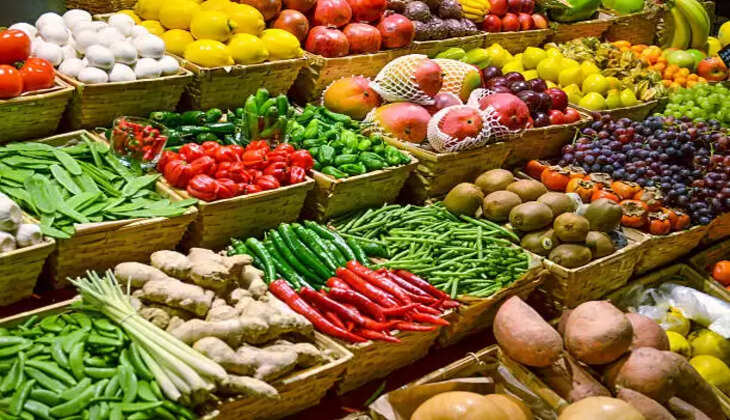
India, with its diverse agriculture and growing demand for fresh produce, offers immense opportunities for those looking to start a vegetable business. Whether through farming, wholesale distribution, or retail sales, this venture can be both profitable and sustainable with the right planning.
Also Read: Sitara Ghattamaneni Age, Height, Father, Family, Education, Biography, Photos In 2025
Market Research and Planning
The first step is understanding local demand, consumer preferences, and seasonal trends. Popular vegetables like onions, tomatoes, and potatoes are always in demand, while leafy greens and exotic vegetables cater to urban markets. Smart planning helps entrepreneurs decide which crops or products to focus on.
Sourcing and Investment
Entrepreneurs can either cultivate vegetables on owned or leased land or source directly from farmers. Investment depends on scale—small vendors may start with ₹50,000–₹1,00,000, while wholesale distribution requires more. Costs usually include transportation, packaging, and storage. Cold storage facilities, though expensive, reduce post-harvest losses significantly.
Licenses and Registration
For small-scale sellers, a basic trade license from local authorities is enough. Larger businesses benefit from registering under the Food Safety and Standards Authority of India (FSSAI). Licensing not only ensures compliance with food safety norms but also builds trust with customers.
Marketing Strategies
Traditional sales through mandis and local shops remain important, but digital platforms are opening new opportunities. Entrepreneurs can partner with delivery apps, promote via social media, or create farm-to-home delivery models. Freshness, quality, and good packaging are key to attracting and retaining customers.
Managing Supply Chain
Vegetables are highly perishable, so efficient supply chain management is critical. Strong ties with farmers ensure steady supply, while technology like mobile apps for orders can streamline operations. Timely procurement and quick distribution help reduce wastage and increase profits.
Scalability and Growth
It is wise to start small with a few varieties and expand gradually. Adding value-added products like cut, packaged, or organic vegetables boosts profitability. Entrepreneurs can also explore government schemes such as the Pradhan Mantri Kisan SAMPADA Yojana for financial support.
Also Read: Traditional Dress of Ladakh Men & Women
Conclusion
The vegetable business in India is more than just selling produce—it requires smart planning, efficient systems, and adaptability. With consumer demand for fresh and healthy food rising, this sector offers excellent prospects for both small and large-scale entrepreneurs.