

Kalpana Chawla: Her Life, NASA Career & Impact
Kalpana Chawla: Her Life, NASA Career & Impact
Who Was Kalpana Chawla?
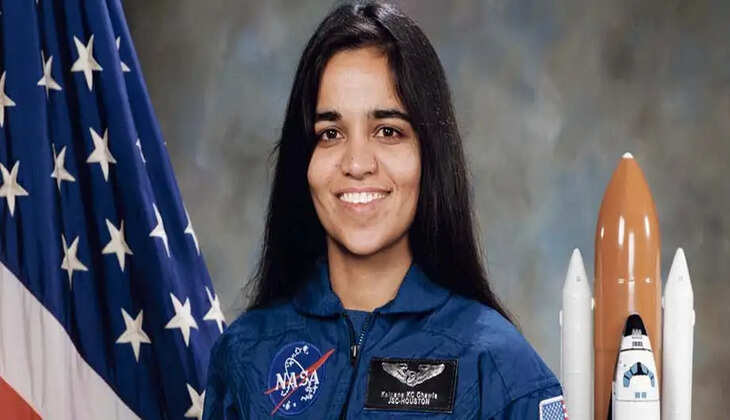
Kalpana Chawla was an Indian-American space explorer and aviation build who became the to begin with lady of Indian woman to travel to space. Her travel from a little town in India to the endlessness of space stands as an effective case of assurance, strength, and brilliance. She began with flying on board Space Shuttle Columbia in 1997 and afterward returned to space in 2003, a mission that deplorably finished during re-entry. Past her work at NASA, she was a prepared pilot who held commercial pilot licenses for air and seaplanes and was also a certified flight instructor.
Early Life and Education
Born in 1962 in Karnal, Haryana, Kalpana Chawla was the youngest of four children. From a young age, she was captivated by airplanes and the thought of flying. Growing up in a town that had a flying club, she frequently observed flying machines take off over her home. Her father once took her on rides in a Pushpak airplane and a glider—experiences that reinforced her dream of getting to be included in aviation.
She completed her tutoring at Tagore Baal Niketan in Karnal and earned a Lone Ranger of Building degree in Aeronautical Building from Punjab Building College, Chandigarh, in 1982. Decided to extend her information, she moved to the United States and sought a Master’s degree in aviation design from the University of Texas at Arlington. She afterward completed another Master’s degree and earned a PhD in aviation building from the University of Colorado Boulder in 1988.
NASA Career and Space Missions
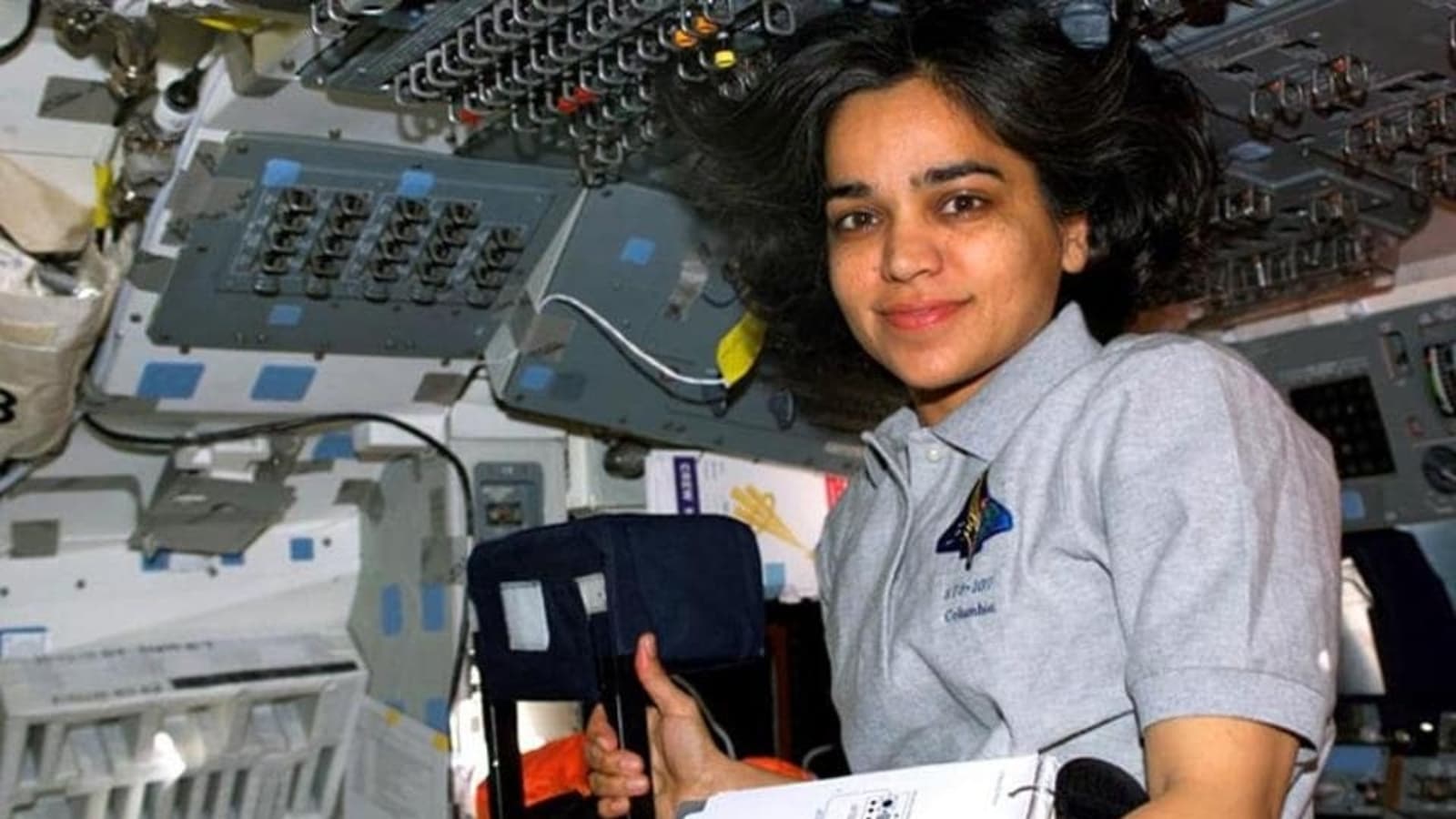
In 1994, Chawla was chosen as a space explorer candidate by NASA and started preparing at the Johnson Space Center in 1995. After thorough arrangement, she was assigned as a mission master and essential mechanical arm administrator on her first space mission, STS-87, on board Space Shuttle Columbia in November 1997. Amid this mission, the craft circled Soil 252 times and conducted a few logical experiments.
Her final mission, STS-107, launched on January 16, 2003. Over 16 days the group carried out about 80 tests centering on microgravity, space science, and innovative research. Deplorably, on February 1, 2003, amid re-entry, Columbia crumbled due to harm maintained amid dispatch. All seven team members, counting Kalpana Chawla, lost their lives.
Legacy and Enduring Impact
Kalpana Chawla’s life continues to inspire millions, particularly youthful ladies trying to construct careers in science and flying. In her honor, a few educational grants have been established in India and overseas. India’s first devoted meteorological observatory, Kalpana-1, was named after her. Grants, grants and dedications at colleges celebrate her accomplishments and empower youthful minds to pursue logical exploration.
Lessons from Her Journey
Kalpana Chawla’s story educates us on the significance of diligence, certainty, and remaining associated with one’s roots. Despite challenges and societal desires, she has tenaciously pursued her enthusiasm. Her boldness to dream big and work resolutely changed her into a worldwide icon.
Her bequest is not fair around coming to space it is almost motivating eras to accept that no dream is too far removed when sought after with commitment and boldness.