
Know About The Real Story, of Laila Majnu
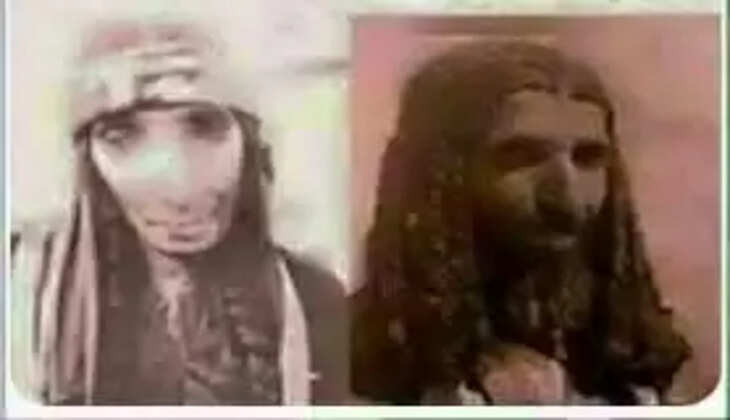
The real story of Laila Majnu is one of the oldest and most powerful love legends in history, symbolizing eternal love, separation, and spiritual devotion. Known across Arabia, Persia, and the Indian subcontinent, the tale has transcended time, culture, and language. Often compared to Romeo and Juliet, Laila Majnu’s story is deeper, more tragic, and rooted in real folklore rather than fiction.
Historical Origins of Laila Majnu
The legend of Laila Majnu is believed to have originated in 7th-century Arabia. The story is centered around a young poet named Qais ibn Al-Mulawwah and his beloved Laila bint Mahdi. Their love story became widely known through oral traditions and was later immortalized in classical literature, most notably in the Persian narrative poem Layla and Majnun.

Who Were Laila and Majnu in Real Life
Qais and Laila belonged to respectable families of the same tribe. Their love began during childhood when they studied together. Qais expressed his love openly through poetry, which was considered inappropriate in conservative tribal society. As a result, Laila’s family opposed the relationship, fearing social disgrace.
Why Qais Became Known as Majnu
The word “Majnu” literally means “madman.” When Qais was forbidden from meeting Laila and denied marriage, he lost interest in worldly life. He wandered the desert, composing poems dedicated to Laila. His obsessive devotion and emotional breakdown led people to call him Majnu, meaning one who is mad with love.
Separation and Forced Marriage of Laila
Despite their deep bond, Laila was forced by her family to marry another man. Although married, she remained emotionally faithful to Majnu and never accepted her husband in spirit. This separation intensified Majnu’s suffering and deepened his withdrawal from society.
The Tragic End of Laila Majnu
Laila eventually fell ill due to emotional pain and longing and passed away. Upon hearing of her death, Majnu visited her grave, where he is said to have died soon after, unable to survive without her. Their deaths sealed the story as a timeless symbol of tragic love.
Spiritual Meaning Behind the Story
Beyond romance, the story of Laila Majnu is often interpreted as a metaphor for divine love. In Sufi philosophy, Majnu’s obsession with Laila represents the soul’s yearning for God. His madness is seen not as weakness but as spiritual awakening and surrender.
Cultural Impact and Legacy
The real story of Laila Majnu has inspired countless poems, books, plays, films, and songs across cultures. From Persian literature to Indian cinema, the legend continues to influence art and storytelling, representing love that transcends social boundaries and physical existence.
Why the Story of Laila Majnu Still Matters
Centuries later, Laila Majnu remains relevant because it speaks of pure love, sacrifice, and emotional truth. It challenges societal norms and highlights the cost of suppressing genuine human emotions. The legend continues to resonate with people who believe in love beyond logic and convention.
Conclusion
The real story of Laila Majnu is not just a tragic romance but a timeless lesson on devotion, loss, and spiritual love. Rooted in history and elevated through poetry, it stands as one of the most profound love stories ever told, reminding the world that true love often survives even after life itself ends.