

Introduction
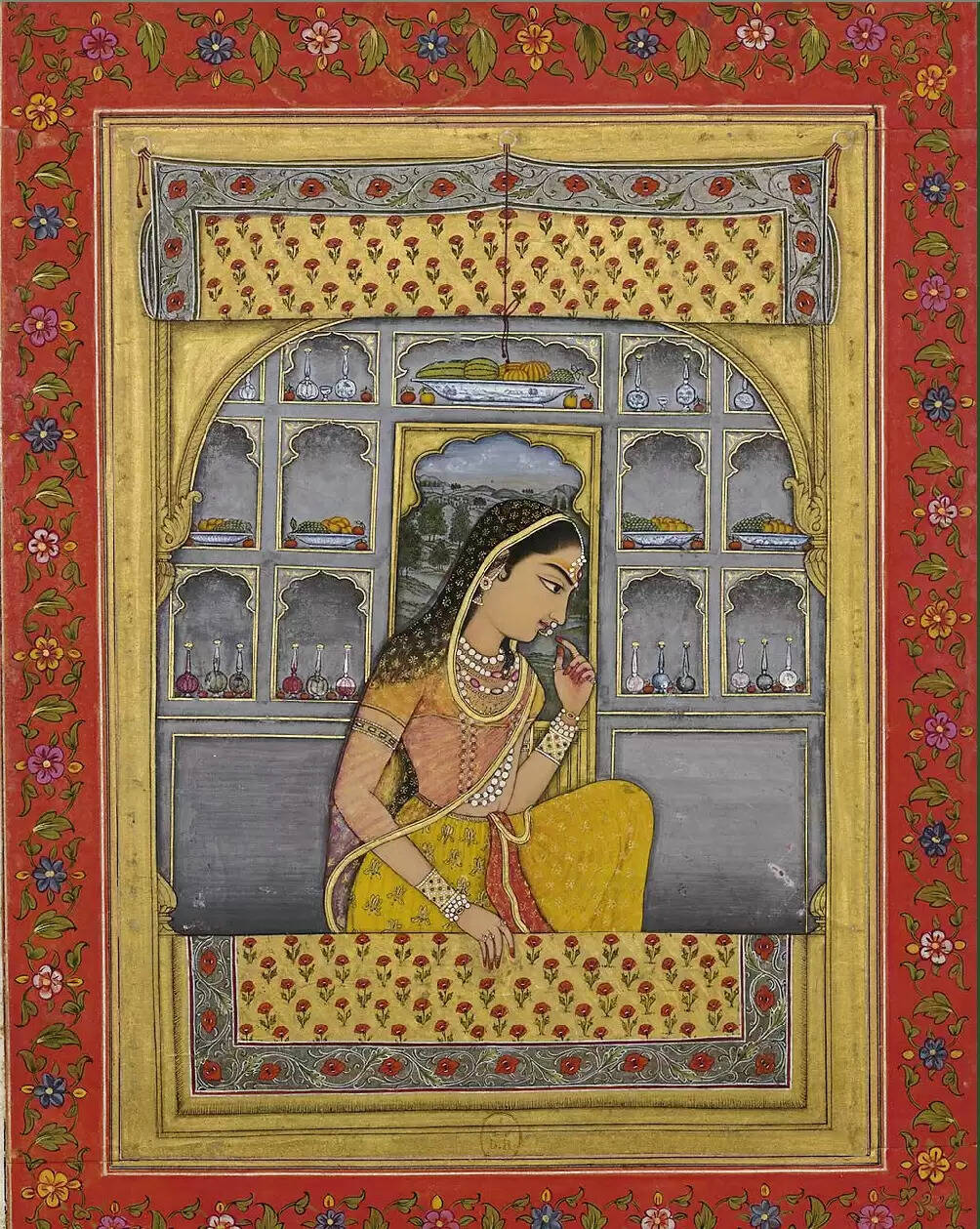
Rani Padmavati, who also went by the name of Rani Padmini, is a figure of great importance in Indian history and folklore. Her story is that of valour, honor, and sacrifice. Through the ages, her stories have grown with the addition of elements of imagination in poems, legends, and popular culture. To really know the story of Rani Padmavati, it is important to differentiate between what is a historical fact and what is folklore that has grown around her, while at the same time, we respect the cultural importance of her name.
Historical Sources and Origins
The first and most extensive reference to Rani Padmavati is in the epic poem “Padmavat,” which was written in 1540 by the Sufi poet Malik Muhammad Jayasi. This work was put forth nearly two hundred years after the events it depicts. Because of this gap between the time of the events and the time of writing, historians report that the story is a mix of history, symbolism, and poetic invention as opposed to a fully researched historical account.
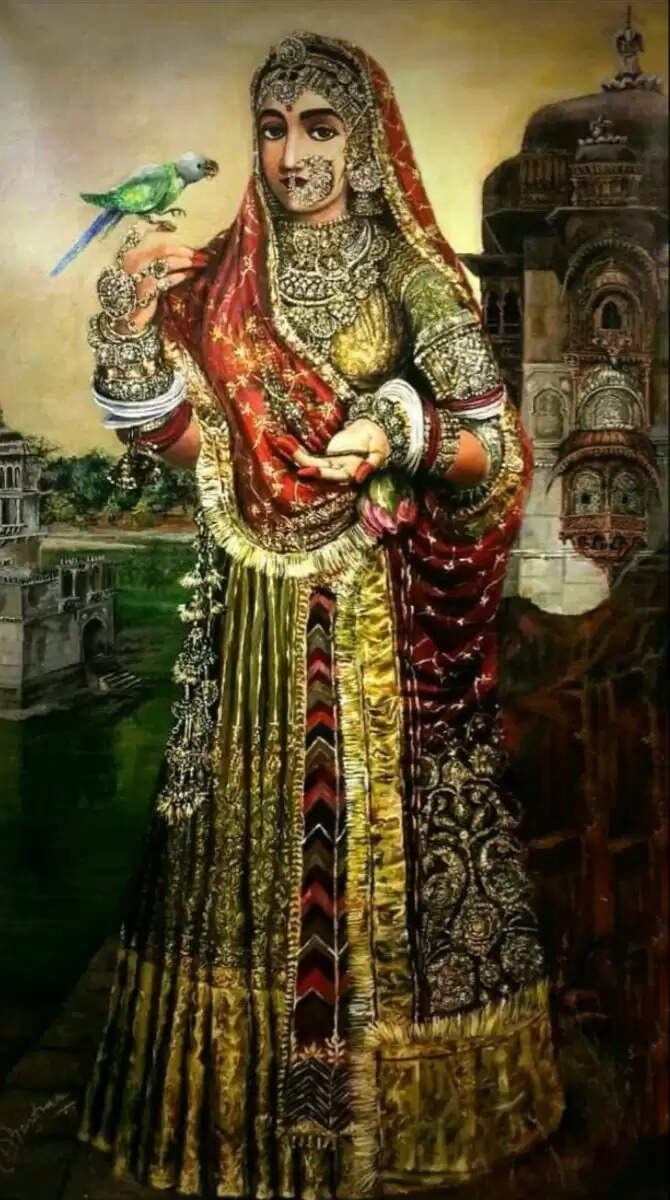
According to local Rajput lore, Rani Padmavati was the queen of Chittor (present-day Chittorgarh in Rajasthan) and the wife of Rana Ratan Singh, who was a ruler of the Mewar kingdom. It is true that some historical documents refer to Rana Ratan Singh, but there is no present-day proof that Padmavati was a historical person. Still, her story is very much a part of Rajput culture.
The Legend of Rani Padmavati
Legend reports that Padmavati was a very beautiful, wise, and dignified woman. Also, it is said that one of her many virtues came to the notice of all, including Alauddin Khilji, the Sultan of Delhi. By that time, out of ambition and in lust, Khilji attacked Chittor for the purpose of winning the queen.
Through trickery, which is what Khilji used, Rana Ratan Singh was put in prison. As for Padmavati, she is put forward as a very smart and valiant woman, which is how she came up with a plan to rescue her husband by sending in soldiers in the disguise of attendants in palanquins. The Rana did get out, that is, till Khilji mustered a large army and laid siege to Chittor.
Jauhar: A Token of Devotion.
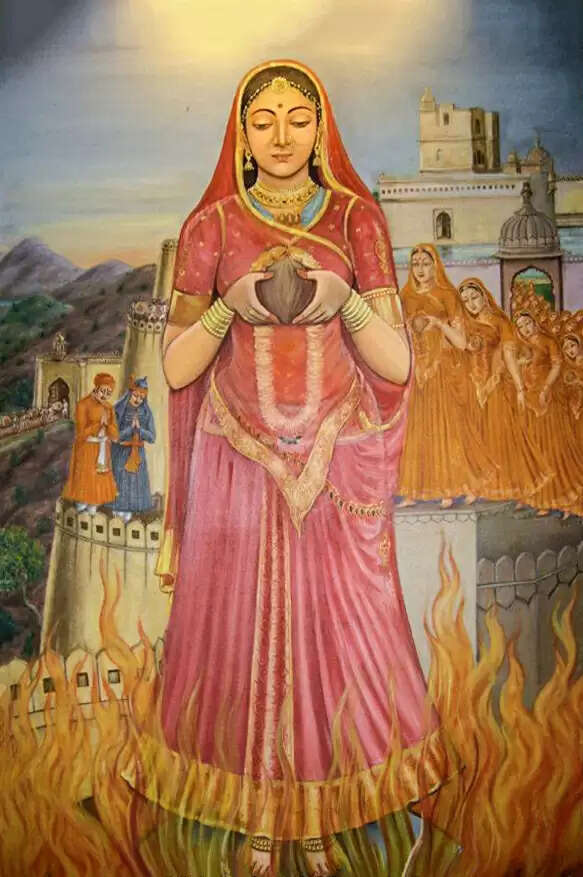
Facing what was to be a disastrous defeat and not ready to give up their honor, Rani Padmavati and the women of Chittor, it is said, performed Jauhar — a mass self-immolation. This action was a final stand for the preservation of integrity, which also protected them from capture and shame.
In present times, it is put to question the value of such practices, which in the past, within the framework of Rajput warfare, Jauhar was a symbol of resistance, honor, and collective sacrifice. Also, Padmavati’s action became a great symbol of Rajput valor and pride.
History vs Myth
Many historians present the case that Jayasi’s Padmavat is an allegory that in no way is meant to be a factual account. While it is a known fact that Alauddin Khilji went to Chittor in 1303, what is put forth is that his reason was political and strategic and not at all for a personal quest for a queen.
Cultural Impact and Legacy
Rani Padmavati’s narrative has inspired the Indian literature, art, folklore, and oral traditions for that time and to the present. As a symbol of valour, faith, and integrity, she is very much remembered. Also, for many, she put forth the image of a woman who stood strong against all odds.
Today, we still see her story at the center of discussion and debate, which also reports very emotional responses, which in turn prove how much historical narratives form cultural identity.
About the Author