

Green Infrastructure Requirements and Builder Compliance
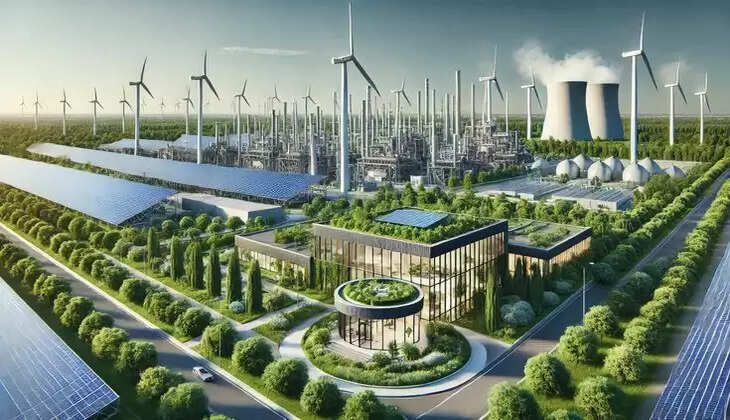
The integration of green infrastructure standards into modern construction law has transformed how developers plan, finance, and execute projects. Municipalities now require developers to include stormwater management, permeable surfaces, and eco-efficient designs as part of their site plans and building permits. These requirements reflect growing public and policy demand for sustainable development practices that mitigate environmental impacts and improve long-term urban resilience.
Buyers and investors looking for sustainable property markets often notice the ripple effects of such regulations in regions emphasizing environmental responsibility. For example, those seeking rent in Vaughan may find that many newly approved developments incorporate green design elements that comply with updated municipal standards while also offering enhanced quality of life and lower operating costs.
Legal Framework Behind Green Infrastructure Mandates
Municipalities derive authority to impose green infrastructure obligations through provincial planning acts and environmental protection statutes. These frameworks allow cities to condition building approvals on compliance with green infrastructure requirements such as bioswales, retention ponds, and green roofs. In some regions, non-compliance can result in delayed occupancy permits, withheld performance securities, or even litigation.
Building codes and zoning bylaws have also evolved to include performance-based standards. Instead of prescribing exact design specifications, they require builders to meet measurable outcomes such as stormwater retention capacity or energy efficiency benchmarks. This shift gives developers flexibility in design while ensuring environmental goals are achieved.
Financial Implications for Developers
Compliance with green infrastructure mandates can increase upfront construction costs due to materials, engineering, and maintenance obligations. However, these costs are often offset by long-term savings from reduced energy consumption, tax incentives, and eligibility for green financing programs. In some municipalities, developers who exceed baseline sustainability targets may receive density bonuses or expedited permitting as compensation.
Financiers and investors now evaluate environmental risk as part of their due diligence. Properties lacking sustainable infrastructure face potential valuation penalties or higher insurance premiums. Conversely, developments that integrate resilient design elements tend to hold value better in markets affected by flooding, heatwaves, or regulatory tightening.
Builder Obligations and Monitoring Mechanisms
Municipalities enforce compliance through multi-phase approvals. Builders must submit detailed stormwater management reports, environmental assessments, and post-construction maintenance plans. Inspectors verify installation quality and confirm long-term functionality of green infrastructure components before granting final occupancy certificates.
Maintenance responsibilities are typically codified in development agreements, binding the builder or homeowner association to preserve the function of systems like rain gardens and permeable pavements. Failure to maintain these systems can lead to fines or municipal intervention, where the city performs repairs and charges the cost back to the responsible party.
Legal Risks and Litigation Trends
Legal disputes in this field often stem from defective installation, inadequate design, or failure to maintain infrastructure as agreed. Developers may face lawsuits from municipalities or property owners if non-compliance leads to flooding or environmental degradation. In many jurisdictions, environmental negligence is treated as a statutory offence, exposing developers and contractors to both civil and regulatory liability.
Another emerging trend involves insurance claims and risk allocation between builders and subcontractors. Contracts now include detailed provisions outlining who bears responsibility for maintenance, repairs, or third-party damage caused by green infrastructure failure. Developers must ensure their insurance coverage aligns with these contractual obligations.
Policy and Future Considerations
Governments are increasingly aligning environmental and housing policies. As municipalities adopt net-zero emission targets, green infrastructure will be an integral part of achieving those objectives. Builders who proactively integrate sustainable systems into design will find it easier to navigate future regulatory landscapes.
Public-private partnerships may also expand to finance large-scale green infrastructure networks that serve multiple developments. Such collaborations could reduce individual builder costs while accelerating urban sustainability goals.
Final Thoughts
Green infrastructure requirements represent a shift from voluntary sustainability to mandated compliance. For developers, understanding these evolving obligations is no longer optional but a prerequisite for successful project delivery. As municipal standards continue to tighten, proactive legal and financial planning will be essential for maintaining compliance and profitability.