
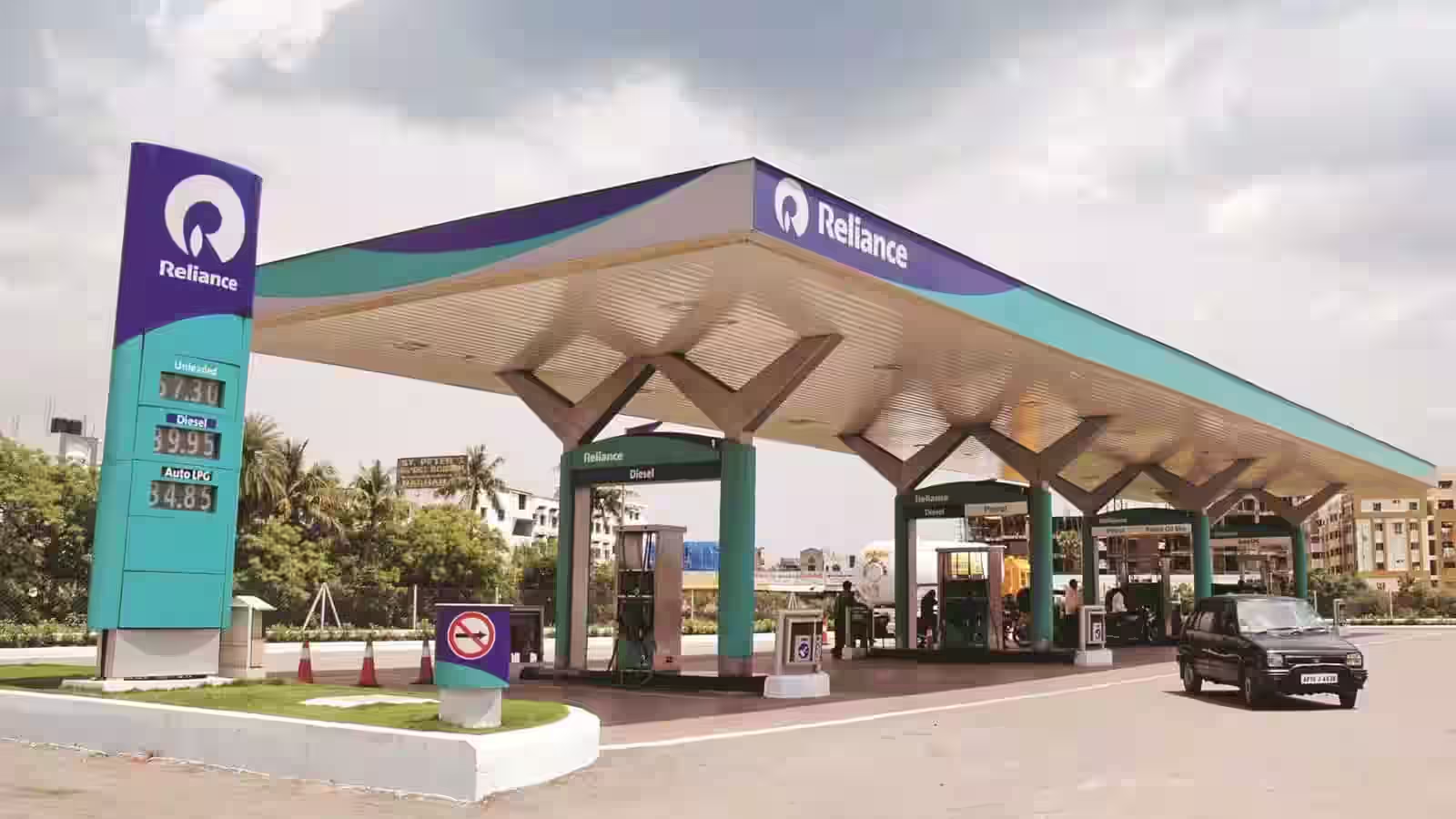
The fuel retail sector in India is seeing great growth with more vehicles on the road and increasing energy demands.Among the top private companies, Reliance Industries Ltd., via its joint venture Reliance BP Mobility Limited, has been the go-to choice for entrepreneurs looking to get into the petro pump dealership business. In 2025, Reliance is to expand its network of fuel stations, which also makes it a great investment opportunity. We have put together this in-depth guide on how to start a Reliance petrol pump dealership business in 2025. We also include extra info to help you make informed decisions.
Why Choose Reliance Petrol Pump Dealership?
Reliance fuel stations are at the forefront of technology, and we also see in them a commitment to quality fuel and customer care. Before the government issued the rules, they had already put in place Euro-VI grade fuel, and we also see a large range of what they offer, which includes diesel, petrol, lubricants, EV charging points, and also convenience stores.
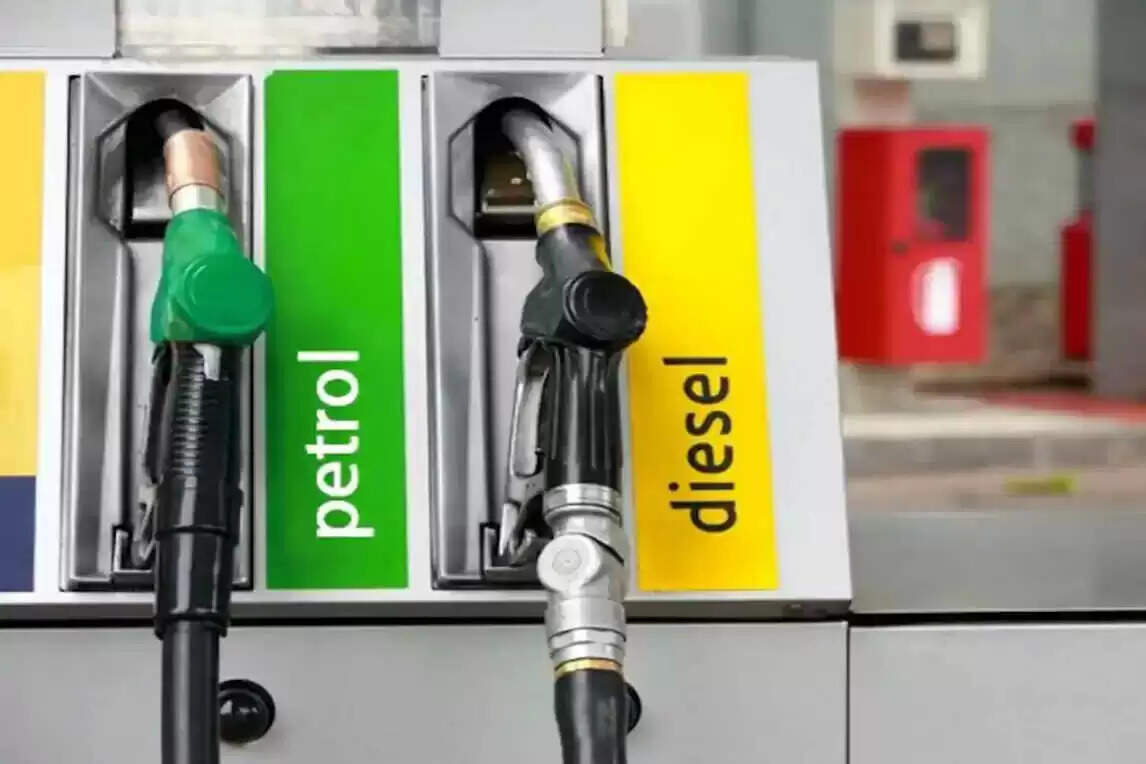
Through partnership with Reliance, a dealer also has success in fuel sales, which at the same time sees them do well in non-fuel revenues from branded retail shops, food courts, and related services at the station.
Eligibility Criteria in 2025
In 2025, if you are looking to open a Reliance petrol pump dealership, you must meet certain eligibility requirements:.
Age Requirement: Applicant must be at least 21 years old.
Nationality: To be an Indian citizen.
Education: At least 10th grade is required. Also, higher degrees are preferred.
Financial Strength: Applicant should have the means to invest and run working capital.
Land Ownership/Lease: In ideal locations by the highway, at the city edges, or near industrial zones, we see that it is a great asset.
Land Requirement
Land is the key element in setting up a petro pump. Reliance usually prefers:.
Location: Highways, urban streets, or zones of increasing traffic.
Size: In most cases, we require a plot size of 800 to 1,200 sq. meters, which may vary by location (urban to rural).
Ownership/Lease: Freehold is what we are after, but we will also consider long-term leases, which usually are for 19 to 30 years.
In strategic locations, which is what the land is in, you have better chances of approval.
Investment and Cost Structure
In 2025, the cost of setting up a Reliance petro pump dealership varies by location, infrastructure, and facilities.
Land Cost: Varies by location (if you already own it, that’s not included).
Infrastructure & Construction: In the range of 50 70 lakhs for the development of the structure, tanks, pipelines, and canopy.
License & Registration Fees: Rs 2.4 lakhs.
Working Capital: Around Rs 15-20 lakhs.
Security Deposit: Typically, between ₹25 and 30 lakhs depending upon the size of the dealership and the terms of the dealership.
Total investment considered would be anywhere between Rs 75 lakhs and Rs 1.5 crore, excluding the cost of the land.
Application Process for the year 2025
Submission of Online Application: The prospective owner-base must visit the Reliance BP Mobility site and apply therein.
Submit Land Details: Submit land documents that include title deed, NOC, and property map.
Screening & Verification: Reliance will consider the suitability of the land and the financial capability.
Interview & Selection: The selected candidates will undergo job interviews and business negotiations.
Agreement & Licensing: When the applicants are approved, they will be asked to sign the agreement, and licensing under necessary government clearances will follow (for example, from PESO).
Profitability and Return
Price per liter of retail fuel is low; so high-volume sales give good returns. Dealers report:
₹2.5–3 per liter on petrol
₹1.5–2 per liter on diesel
Additional revenue from EV charging stations
Conclusion
In 2025, we see the launch of the Reliance petro pump dealership business in India as a very good opportunity, which comes with the trend of increasing fuel and clean energy demand. We have strong brand support, advanced infrastructure, and other income sources, which play a role in the build-out of a sustainable and profitable venture. That said, success is mainly tied to the strategic location of land, investment levels, and the adoption of Reliance’s customer-first and technology-based approach.
About the Author