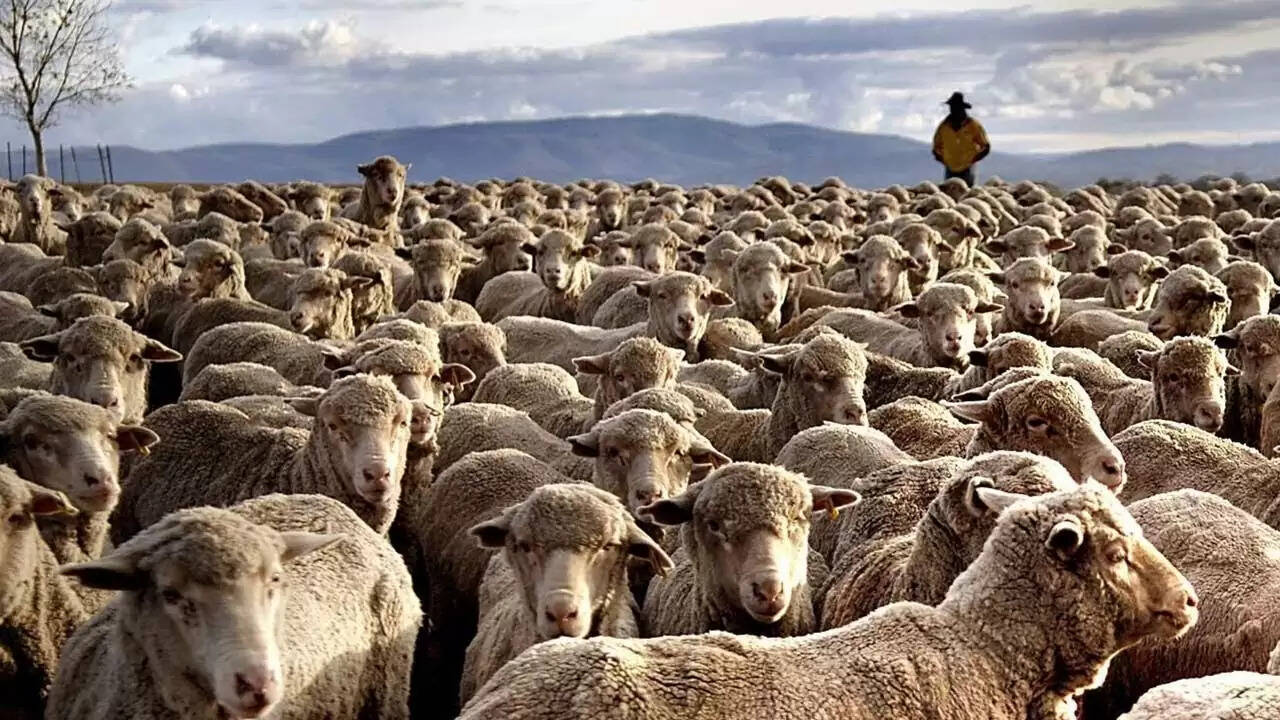


Sheep farming, which is the oldest practice of animal husbandry in India, produces mutton, wool, and manure. At present, with the increase in demand for mutton and wool products, sheep farming has turned out to be a very profitable and sustainable agricultural business, which also includes small and marginal farmers. By 2025, sheep farming is set to grow in popularity because of low input requirements, the ability to do well in semi-arid areas, and high returns as compared to other stock raising activities. This guide takes you through the process step by step, and also covers issues related to cost and income, and provides an in-depth analysis.
Step-by-Step Guide to Start Sheep Farming:
1. Planning and Choice of Breeds
The first issue is to choose the right sheep breed for your region and purpose. In India, we have a variety of indigenous and crossbreed types which include:.
Nellore, Deccan, and Mandya are famous for meat.
Kashmir Merino and Rambouillet producers of wool
Muzaffarnagri and Marwari for both Wool and flesh
Farmers may study which breeds do best in our climate.
2. Housing and Buildings
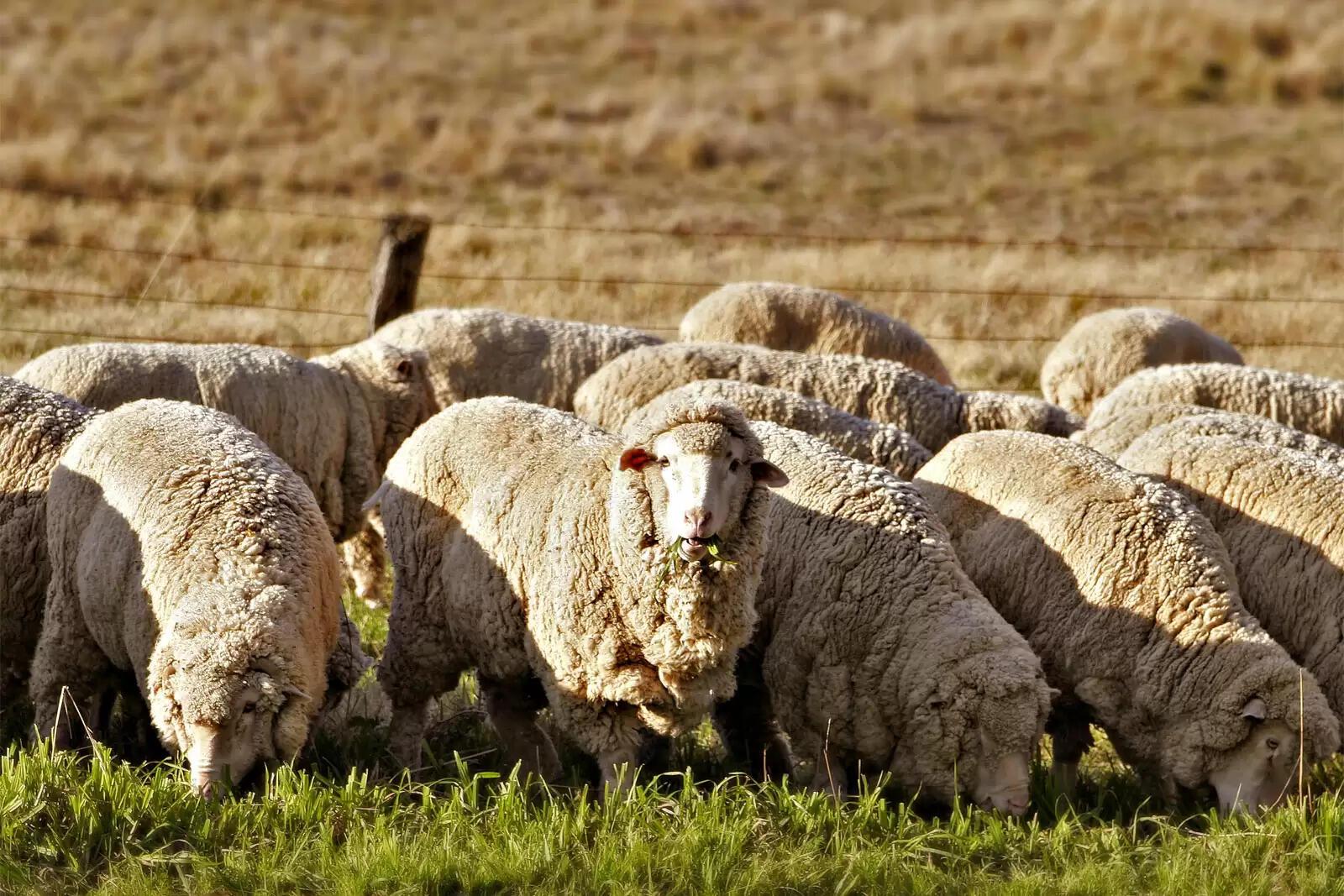
Sheep do well in very basic, economical shelters. We see that they do fine in open sheds which have good air flow, slanted floors, and which drain well. Aside from this, a covered place of 1.5 to 2 square meters per adult sheep is the general requirement; that is, heavy rains, large sunlight, and predators should not be able to harm the sheep under cover.
3. Feeding and Grazing
Being grazing animals, sheep fare best with natural pastures. We try to get sheep to graze for at least 6 to 8 hours. They get better-stage green fodder such as berseem, maize, and lucerne; dry foders that contain hay and straws; and concentrates rich in minerals to grow well. Clean water should always be present.
4. Health Care and Administration
Vaccination and deworming shall be conducted at the appropriate time to prevent outbreaks of foot and mouth, enterotoxemia, and sheep pox diseases. We make sure that there are regular visits from a veterinary officer as part of ongoing health care. Sheep, in general, are hardy, but it is the shepherd’s responsibility to ensure that animals are blessed with good hygiene and timely treatment.
5. Breeders’ practices
Sheep attain breeding age at 8 to 12 months. One ram does the job for 25 30 ewes. Most farmers still use natural mating, which is what we see the shift towards, though artificial insemination is growing in adoption. With proper breeding management, we see healthy lambs and increased profitability.
6. Sheep products and wastes that are from the process of shearing
Wool is shorn out in spring and fall. In addition to wool and meat products, sheep manure is very good as an organic fertilizer, which also provides extra income for farmers.
In 2025, the setup for Sheep Farming
The investment varies with farm size. As an example, the cost structure for a 50 sheep unit in India is as follows:.
₹3.5 4 million (average of INR 7,000 to 8,000 per animal).
Housing construction: 1.5 lakhs.
Forage and fodder: Rs. 80,000-R 1,00,000
Veterinary & other side expense: Rs. 30,000 to Rs. 40,000
Totaler Medium Investment: Between Rs 6,00,000 and Rs 6,50,000
Profit from Sheep Farming
Sheep farming offers multiple income streams: Sheep farm income is from many sources.
Sale of Lambs: Each year, a ewe gives out 1 to 2 lambs. In a flock of 50 sheep, you may see 60 to 70 lambs born annually, which will sell for between the prices of ₹6,000 to ₹8,000 each as per the lamb’s weight and the market demand.
Wool Income: Though less profitable than mutton, which is a much in-demand product, wool brings in around 15 20 Rupees per kg. A sheep’s yield is 2- 3 kg of wool, which they produce annually.
Manure Sales: Sheep manure is for sale to farmers and gardeners, which also puts extra income in their pockets.
Farmers give reports that they earn, on average, around ₹8,00,000 to ₹9,00,000 a year against an expense of about ₹2,50,000 and ₹3,00,000.
Additional Insights: An Expansion of Sheep Farming is Expanding in 2025
Ever-growing Demand for Mutton: Mutton consumption is increasing rapidly. Mutton prices now range from approximately ₹600 to ₹800 per kg in India.
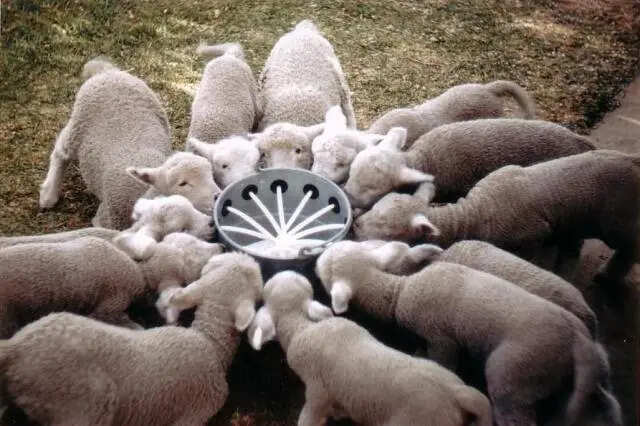
Low Maintenance Factor: Sheep thrive in open-ranging situations (i.e., they thrive while being open-ranged), and their nutrient and tonnage requirements are lower when compared to cattle and goats.
Export potential: Sheep meat and wool (for both textiles and carpets) from India, pique a high demand in Middle Eastern nations, and on continents such as Europe.
Climate adaptability: Sheep can grow well across climatic conditions from the arid zones of Rajasthan to the hilly regions of Kashmir.
Conclusion
Sheep farming in 2025 in India is sustainable and profitable for a large-scale producer, and much so for small-scale farmers and rural entrepreneurs. The key to getting big returns within a year is actually designing an intelligent program, choosing the right breed, and good management; it is a low-cost investment. Sheep farming is emerging as one of the better agribusinesses in the country these days, given the fact that the demand for mutton is increasing and more government support is being given.
About the Author