

Know About 21 Lowest Score In ODI Cricket History Till 2026

The unpredictability feature of One Day International (ODI) cricket is one of the most captivating elements. Even if the teams are full of first-rate batters, they might just get bowled out for a shockingly low total suddenly, which will, of course, stun even the knowledgeable fans and experts. The history of ODI cricket has experienced a lot of such dramatic collapses, which made us realize how little the difference is between victory and defeat.
The records of the lowest scores in the ODI are not merely a matter of statistics. They are the indication of great battles where bowlers perfectly used the conditions, batters made wrong assessments, and the pressure became such that it transformed into a collapse that went down in history.
The Lowest Totals in ODI History

At the very bottom, we find Zimbabwe and the United States, both of them out for only 35 runs, the case of Zimbabwe being against Sri Lanka in 2004 and of the USA against Nepal in 2020. They have the distinction of having the lowest-ever scores in ODI cricket history together.
Among other remarkable collapses are the 36 by Canada against Sri Lanka (2003), the 38 by Zimbabwe against Sri Lanka (2001), and the own 43 of Sri Lanka against South Africa in 2012, which was also regarded as a shocking incident. Even the traditional powerhouses, Pakistan (43 vs West Indies, 1993) and India (54 vs Sri Lanka, 2000), are part of the list, proving that the reputation does not offer protection in case of a bad day in cricket.
In more recent times, the UAE’s 49 against the USA in 2025 highlighted how quickly the balance of power is shifting, with emerging teams now capable of dismantling established sides.
Why Do Such Low Scores Happen?

Pitch and Conditions
Collapse was mainly affected by the pitch. On a green wicket, the ball would slide and thus be able to seam freely; whereas on a dry and rough wicket, the ball might spin to such an extent that it would be next to impossible for the spinner to control it. The uneven bounce made it even harder for the batters to get their feet in.
Weather Influence
Clouds and humidity usually make swinging and seaming the ball easier. Overcast conditions, like the ones during the 1993 Pakistan collapse against the West Indies, can turn good bowling into devastating bowling.
Tactical and Mental Errors
Poor toss choices, misjudging pitch conditions, or going in with a very aggressive batting plan can all lead to batsmen being wiped off the board. The moment the first few batsmen are out, the pressure becomes too unbearable, and thus players resort to playing rash shots or are just plain confused about which option to take—the defensive or the attacking.
Impact on Teams and Cricketing Evolution
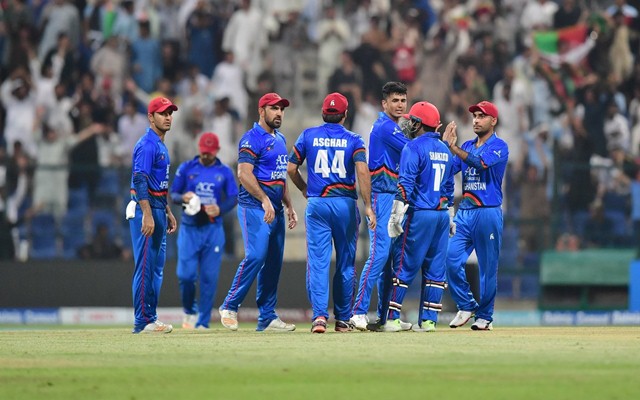
Teams, as well as the public’s perception, can be very much negatively affected by the low scores of the team. But they also come as turning points. The teams usually go through a complete overhaul with respect to player selection, batting techniques, and preparation practices after such losses.
For instance, India’s 54 all-out in 2000 led to the re-emphasis on the use of techniques against swing and spin. Similarly, associate nations like Nepal and the USA derived immense confidence from the experience of bowling out stronger opponents cheaply, thus hastening their international cricket growth.
Why These Matches Still Matter
The unparalleled unpredictability of cricket is its very beauty. The aforementioned collapses only reaffirm the notion that no match is foreseeable and no team is unbeatable. They provide players with lessons, set up tactical standards for teams, and create unforgettable memories for supporters.
For those who are directly involved, low scores can be very upsetting, but they also mean that the history of cricket is being written with more complexity, indicating that the sport is in need of preparation, adaptability, and mental strength as much as it is of raw talent.