

AI in Education: Transforming the Future of Learning
Artificial Intelligence is redefining how knowledge is delivered, consumed, and applied. From personalised study recommendations to intelligent tutoring systems, AI in Education is reshaping classrooms, training environments, and corporate learning programmes. As technology continues to evolve, educational institutions and digital learning platforms are adopting AI to make learning more adaptive, accessible, and career-focused.
In 2026, the future of education is increasingly driven by automation, data analytics, and intelligent systems that enhance both teaching effectiveness and learner outcomes. Whether in higher education, professional certification, or corporate upskilling, AI-powered solutions are improving how students learn and how educators deliver content.
In this blog, we explore how AI is transforming the future of education, the role of education technology, and why career-focused AI-driven learning is becoming essential.
What is AI in Education
AI in Education refers to the use of artificial intelligence technologies such as machine learning, natural language processing, and predictive analytics to improve learning experiences.
AI-enabled systems can:
- Personalise learning paths
- Provide intelligent tutoring
- Automate administrative tasks
- Improve student engagement
- Analyse learning patterns
- Offer real-time feedback
AI-powered education technology allows institutions to create customised learning experiences based on student needs, performance, and preferences. AI is truly important in education because of all the aforementioned reasons and more.
How AI is Shaping the Future of Education
The future of education is becoming increasingly technology-driven. AI is enabling institutions to move beyond traditional teaching models and adopt interactive, data-driven approaches.
Personalised Learning Experiences
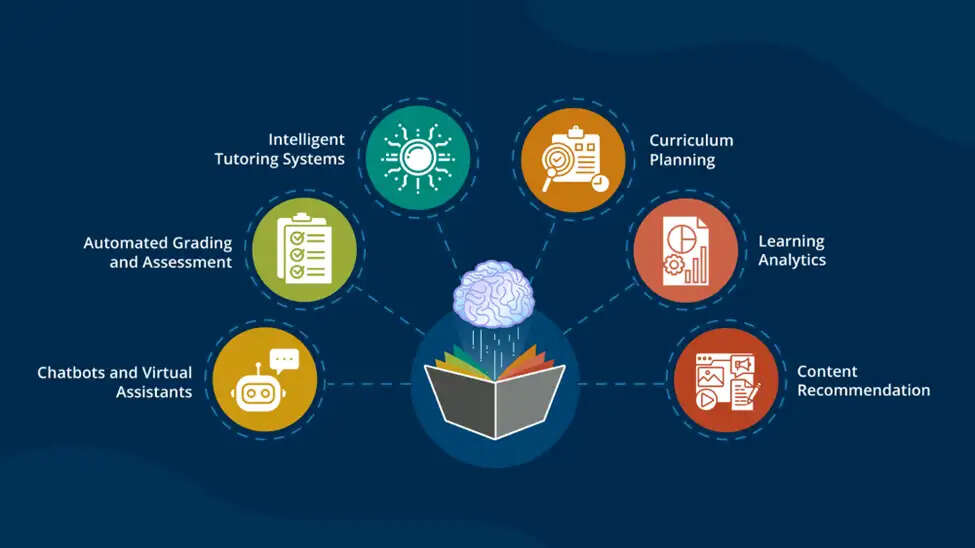
AI algorithms analyse student behaviour and learning patterns to provide customised recommendations. Students receive tailored study materials, quizzes, and revision plans based on their progress.
This personalised approach improves knowledge retention and helps learners focus on areas requiring improvement.
Smart Content and Digital Learning Platforms
Digital learning platforms powered by AI provide interactive content formats such as:
- Video-based modules
- AI-generated summaries
- Interactive simulations
- Adaptive quizzes
- Automated assessments
AI enables content to be continuously updated based on industry trends and learner feedback.
AI-Powered Virtual Tutors
Virtual tutors use natural language processing to answer student queries instantly. These AI tutors provide 24/7 learning support, improving accessibility for students across time zones.
Chatbots powered by AI assist learners with course navigation, assignment guidance, and concept clarification.
Improved Student Performance Analytics
AI helps educators analyse student performance data to identify strengths and weaknesses.
Predictive analytics can:
- Identify at-risk students
- Suggest personalised study plans
- Provide performance insights
- Improve academic outcomes
This data-driven approach supports proactive academic intervention.
Role of AI in Higher Education
AI adoption in higher education institutions is transforming traditional academic systems.
Universities are using AI for:
- Automated grading systems
- Student engagement analysis
- Research support tools
- Intelligent content recommendation
- Academic performance prediction
AI helps universities deliver high-quality education at scale while maintaining personalised learning experiences.
AI-powered systems also support faculty by automating repetitive administrative tasks, allowing educators to focus on teaching and mentoring.
Career-Focused Learning Through AI
One of the most significant advantages of AI in Education is its ability to create career-focused learning pathways.
AI helps identify:
- Skill gaps
- Industry requirements
- Emerging job roles
- Recommended certifications
- Personalised career paths
Career-focused education programmes use AI to align curriculum with real-world industry demands.
This ensures students graduate with relevant skills required by employers.
Benefits of AI in Education
Here are the benefits of AI in education listed down:
1. Personalised Learning Journey
AI enables customised learning experiences based on individual learning styles and pace.
Students can progress according to their understanding, improving engagement and outcomes.
2. Enhanced Accessibility
AI-powered digital learning platforms make education accessible to learners worldwide.
Students can access lectures, assignments, and learning materials remotely.
AI also supports learners with disabilities through speech recognition and text-to-speech technologies.
3. Real-Time Feedback and Assessment
AI systems provide instant feedback on quizzes, assignments, and projects.
Immediate feedback helps learners identify mistakes and improve performance.
4. Efficient Administrative Processes
AI automates tasks such as:
- Attendance tracking
- Assignment evaluation
- Scheduling
- Student support
Automation reduces administrative workload for educators and institutions.
5. Improved Engagement Through Interactive Content
AI-powered simulations, gamification, and interactive tools improve student engagement.
Interactive learning increases motivation and knowledge retention.
6. Scalable Education Technology
AI enables institutions to provide quality education to large numbers of learners simultaneously.
Scalable learning models support global access to education.
Applications of AI in Digital Learning Platforms
Digital learning platforms increasingly integrate AI to enhance learning effectiveness.
Examples include:
- Intelligent course recommendations
- Automated doubt resolution
- AI-generated practice questions
- Skill gap analysis
- Personalised dashboards
- Smart content suggestions
Education technology platforms use AI to continuously improve course delivery and learning outcomes.
Challenges of AI in Education
Despite its advantages, AI adoption also presents certain challenges.
Data Privacy Concerns
AI systems require student data to personalise learning experiences.
Institutions must ensure strong data security practices.
Technology Infrastructure Requirements
Educational institutions need reliable infrastructure to implement AI solutions effectively.
Need for Skilled Educators
Educators must develop digital skills to integrate AI tools effectively into teaching practices.
Addressing these challenges will ensure sustainable implementation of AI in education.
Future of Education with AI
The future of education will be defined by intelligent learning ecosystems.
Emerging trends include:
- AI-powered career guidance systems
- Virtual classrooms powered by AI avatars
- Automated curriculum updates
- Predictive learning analytics
- Immersive simulations using AI
- Integration of generative AI tools
AI will continue to improve accessibility, personalisation, and efficiency in education.
Educational institutions that adopt AI early will be better positioned to deliver career-focused learning experiences.
Role of Jaro Education in AI-Driven Learning
Jaro Education collaborates with reputed institutions to provide career-focused programmes aligned with industry needs.
Through advanced digital learning platforms, Jaro enables learners to access quality education supported by modern education technology.
Jaro Education has also pioneered an AI-powered ROI calculator and a Skill Gap calculator to help learners make informed decisions.
AI-enabled programmes help learners gain industry-relevant skills required for future job roles.
Conclusion
AI in Education is transforming how knowledge is delivered and applied. From personalised learning experiences to intelligent digital learning platforms, AI is enabling more efficient and career-focused education systems.
As higher education continues to evolve, artificial intelligence will play a critical role in shaping the future of education technology.
Learners who embrace AI-driven education today will be better prepared for the evolving professional landscape.
FAQs
1. What is AI in education?
AI in Education refers to the use of artificial intelligence technologies such as machine learning and natural language processing to improve learning experiences through personalisation, automation, and intelligent analytics.
2. How is AI transforming the future of education?
AI is transforming the future of education by enabling personalised learning, automated assessments, intelligent tutoring systems, and data-driven decision-making.
3. How do digital learning platforms use AI?
Digital learning platforms use AI for personalised recommendations, performance tracking, automated feedback, and interactive learning experiences.
4. What are the benefits of AI in higher education?
AI helps higher education institutions improve student engagement, automate administrative tasks, enhance research capabilities, and deliver personalised learning experiences.
5. Is AI making education more career-focused?
Yes, AI helps identify skill gaps and recommends learning paths aligned with industry requirements, making education more career-focused.