Concept Of Damsel In Distress & Its Impact Explained
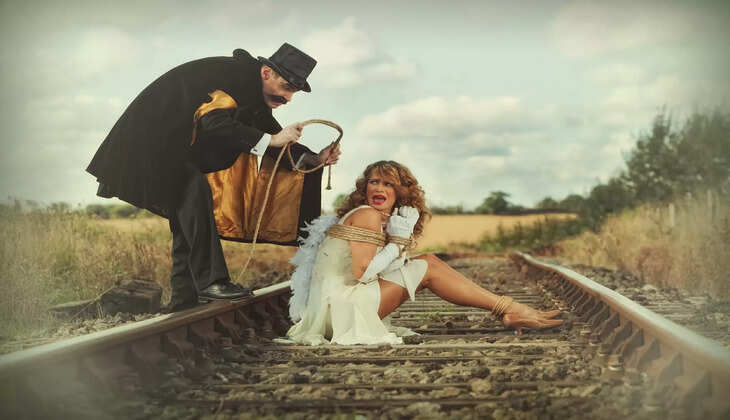
Childhood is a time in which we live in stories that shape our view of the world. As children, we believe in magical stories like Santa bringing presents until we grow up and develop a better understanding of what is real. At the same time, we may outgrow many of these stories, but we still hold onto some, which are very much a part of popular culture. One such is the “damsel in distress,” which we see in fairy tales, in film, and on TV. As it is such a common theme, many people do not question it or are aware of the role it plays in the formation of gender roles in society.
What Is the Damsel in Distress?
The female character who falls into distress is usually drawn as a helpless woman waiting for a hero to save her. If she is a princess in a tower or a common woman in over her head, very often she does not save herself. Instead, we see a brave and able hero come to the rescue. We see this in stories like Cinderella, Rapunzel, and in countless films across cultures. While these tales are entertaining, over time, they mold what we expect from men and women in the real world.
Origins of the Trope
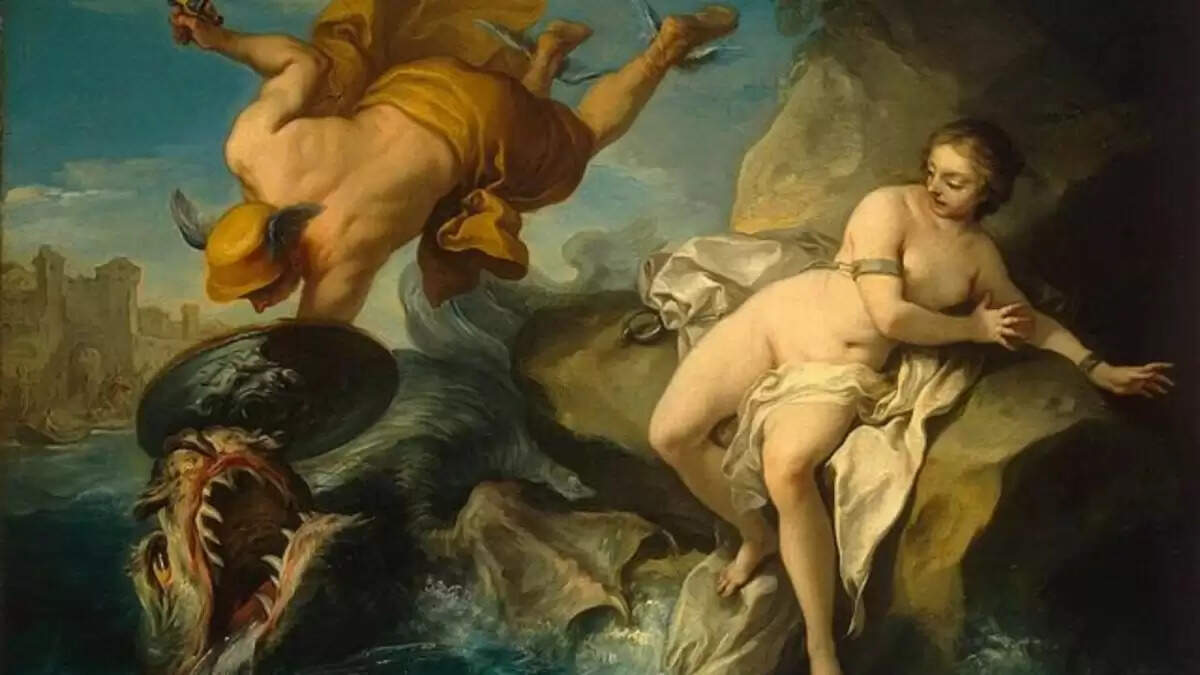
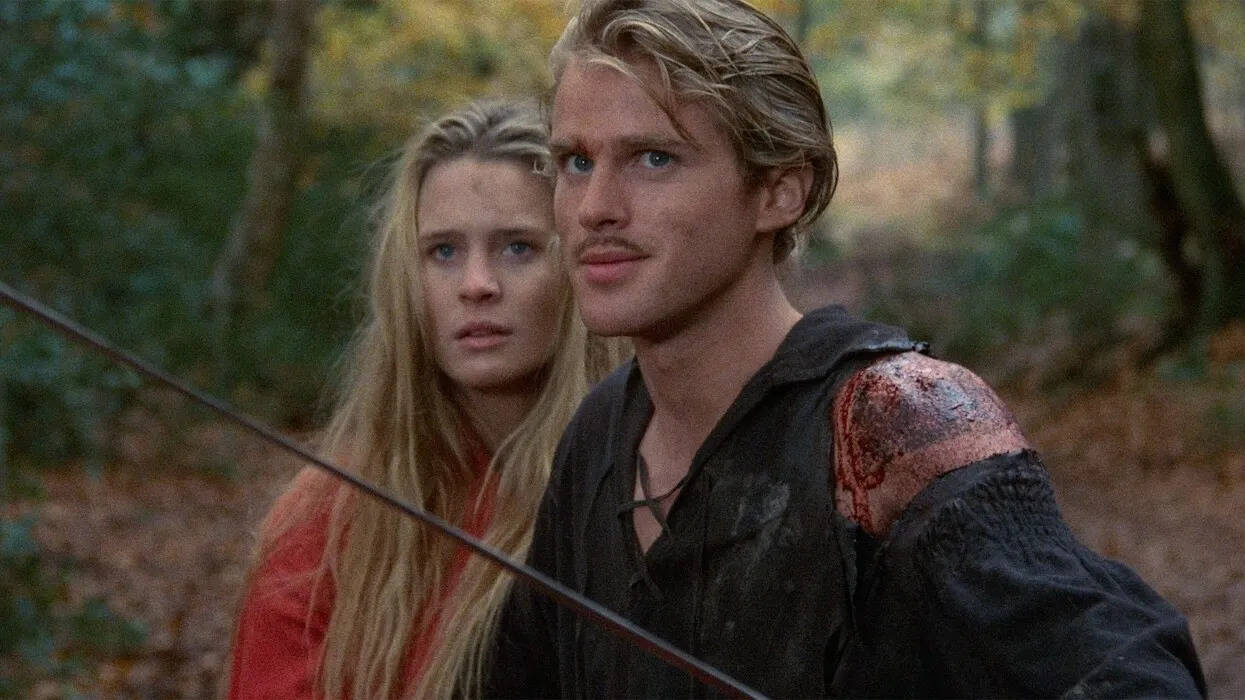
A woman in peril and a man to the rescue.
In the 20th century, as cinema and television grew in popularity, this trope became even more prevalent. In early adventure films, comic books, and cartoons, we see that women were often depicted as characters to be rescued. Also, in children’s entertainment, which at the time was normal, this pattern became a standard for many generations of viewers.
How This Trope Affects Society
Although it may seem innocent, the trope in fact shapes how we think of gender. It puts forth that women are weak, which in turn may lower confidence in them, and instead of promoting self-reliance, it may push toward dependency.
At the same time, we see men pushed to play out the role of the protector or hero, which is also a restrictive thing. The idea that men must at all times prove their bravery or dominance does, in fact, damage their self-image and relationships. Also, we see women presented as prizes for the hero, which turns them into tokens instead of individuals with agency and independence.
The Rise of Stronger Female Characters
In recent time storytelling has transformed. Today, we see that many films and shows put forth women who fight their own battles and make their own choices. We have strong independent characters, which in turn challenge outdated ideas. Also, we see classic stories reimagined to present heroines as capable leaders instead of passive elements.
Whether or not the damsel in distress is done away with is still a question, but what we do see is present-day audiences’ greater appreciation for strong characters that may or may not be male, which include courage, intelligence, and independence. We are moving past the old stereotypes into a world in which the stories reflect that any of us is able to write our own.