

Know About History Of Women's Rights In India
Know Almost the History of Women’s Rights in India
The travel of women’s rights in India is an effective story of resistance, change, and flexibility. From old conventions to present-day protected assurances, Indian ladies have ceaselessly battled against social, economic, and political disparities. Whereas eminent advance has been made, the battle for total sex uniformity continues.
Early Change Developments (1825–1915)
The to begin with major wave of women’s rights change started in the 19th century amid British run the show. Social reformers recognized the deep-rooted, shameful acts confronted by ladies and worked to end hurtful practices.
Reformers such as Raja Rammohan Roy played a vital part in canceling the practice of sati in 1829. Ishwar Chandra Vidyasagar supported dowager remarriage, leading to the Dowager Remarriage Act of 1856. Savitribai Phule, along with Jyotirao Phule, spearheaded girls’ education by opening one of India’s first schools for young ladies in 1848. Authoritative endeavors like the Female Child murder Anticipation Act (1870) and early girls’ schools laid the foundation for women’s empowerment.
This stage centered primarily on instruction, property rights, and the killing of the harsh traditions such as child marriage and refusal of dowager remarriage.
Women in the Opportunity Development (1915–1947)
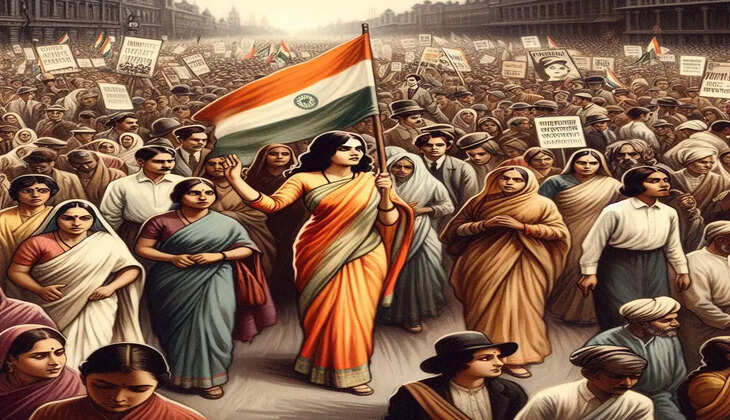
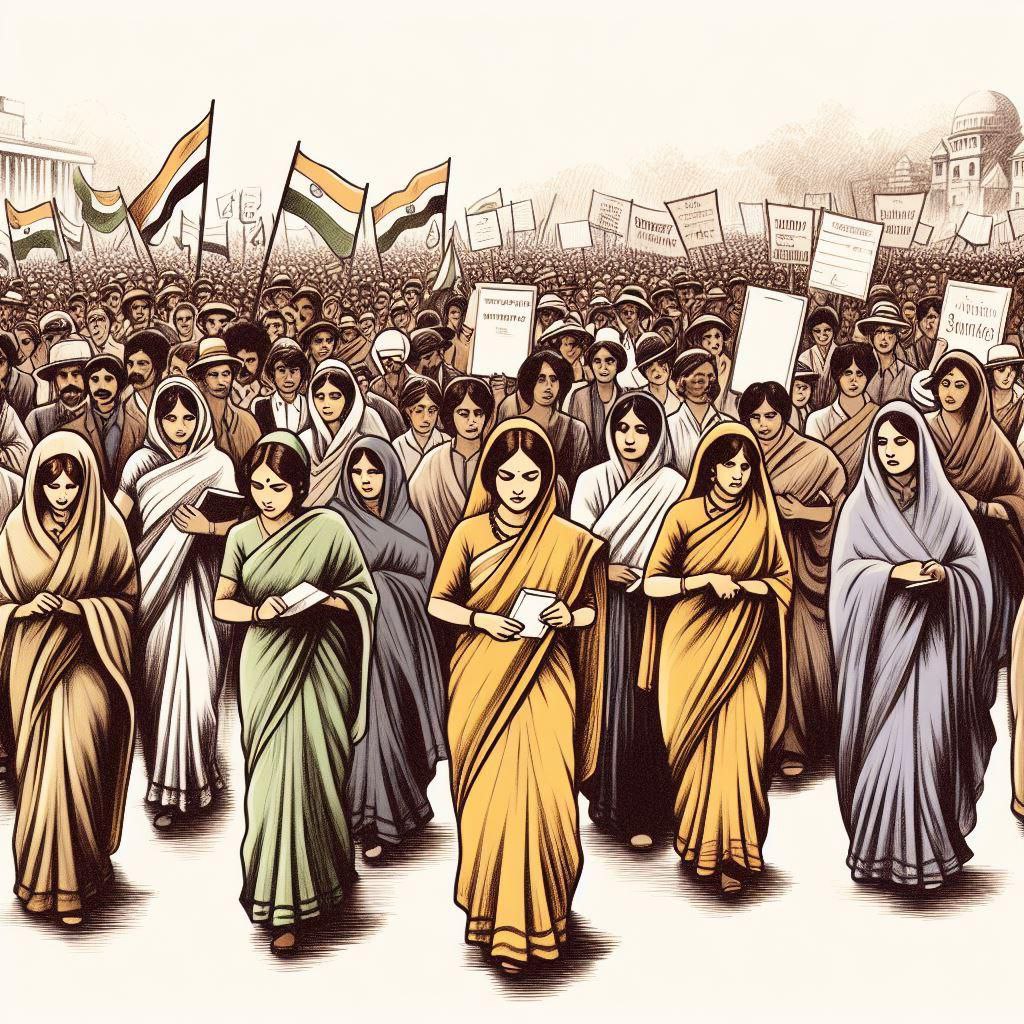
The moment stage developed amid India’s battle for autonomy. Mahatma Gandhi empowered ladies to take part in national developments, bringing them into open and political life. Ladies joined challenges, walks, and gracious noncompliance campaigns in expansive numbers.
Organizations like the All India Women’s Conference (1927) worked toward political support and social change. Sarojini Naidu became the first Indian lady president of the Indian National Congress and afterward India’s first lady representative. Child marriage was legitimately prohibited in 1929, and educational opportunities expanded.
This period stamped a move from social change to political engagement, as ladies requested voting rights, representation, and administrative roles.
Post-Independence Legitimate Reforms
After 1947, the Structure of India ensured balance, and recently, the law has disallowed segregation based on sex. A few laws were enacted to reinforce women’s rights.
The Share Disallowance Act (1961), Rise to Compensation Act (1976), and revisions expanding the legitimate age of marriage to 18 were critical breakthroughs.
In 2005, corrections to the Hindu Succession Act allowed girls rise to legacy rights in hereditary property a vital step toward financial equality.
Role of the Judiciary
India’s legal system has played a transformative part in progressing women’s rights. Point of interest judgments have strengthened sexual orientation balance and ensured personal freedoms.
Cases tending to working environment badgering, triple talaq legacy rights and women’s section into the equipped strengths have extended legal assurances. The courts have reliably deciphered protected standards to advance nobility, balance, and equity for women.
Ongoing Challenges and the Street Ahead
Despite advances, issues such as gender-based savagery, wage dissimilarity, constrained access to education, and societal inclination stay challenges. In any case, developing mindfulness, more grounded laws, and dynamic, respectful society developments offer hope.
The future of women’s rights in India depends on supported legitimate requirements, social change, and collective duty. Enabling ladies is not just a matter of equity but fundamental for building a comprehensive and dynamic society.