

Know About Indo-Pak War of 1965
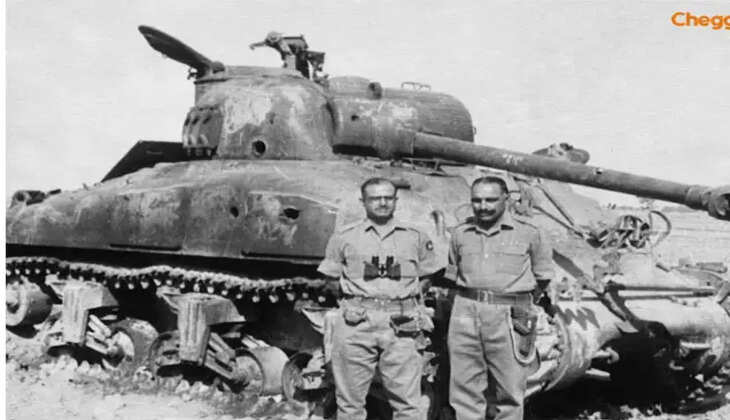
The Indo–Pak War of 1965: A Pivotal Conflict in South Asian History.
In the post-independence era, the 1965 Indo-Pak War remains the most notable military conflict between the two countries. Primary issues were the issue of Jammu and Kashmir, which the war also saw re-moulding of political thoughts, military strategies and diplomatic relations in South Asia. Although the war ended in a ceasefire, which saw no major territory changes, it left a very long-term impact on both nations.
Background: Rising Protests Before the War.
In the 1965 war’s immediate wake, we see the issues in the Rann of Kutch that played out. In April of that year, we saw hostilities break out between the two countries. While a truce was put in place by the British in June, what little trust there was between them decreased.
Pakistan’s at the time, thought that India had been weakened militarily after the Sino-Indian War, which in turn presented a chance to push for what it wanted in Jammu and Kashmir. That perception set off a series of events that led to the situation’s escalation.
Operation Gibraltar and Escalation
In 1965, Pakistan put forth Operation Gibraltar, which was a secret task force to put in place troops in Jammu and Kashmir and to spark a revolt against Indian rule. But the plan did not play out. We did not see the local support we thought we would, and the Indian forces also reacted very quickly.
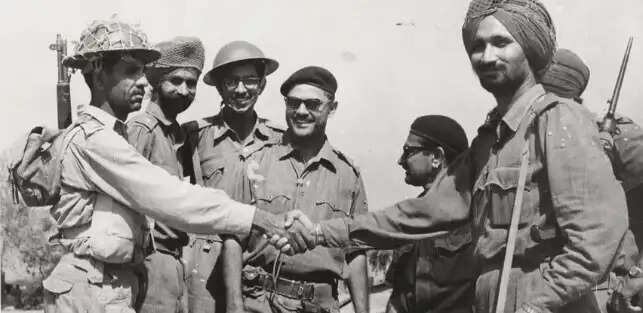
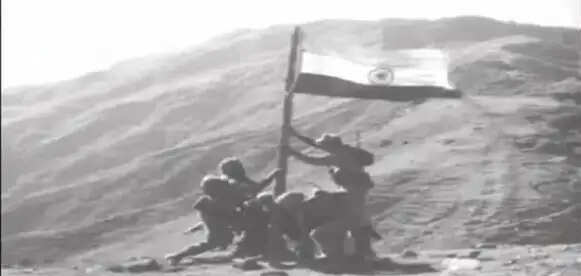
The war broke out soon after hostilities began. Indian forces reacted to the other side’s incursions and also went on the offensive to take and hold key locations. Also of note was the taking of Haji Pir Pass on 28 August 1965, which was a very important mountain pass that turned the tide in India’s favour in the area.
Major Battles of the War
As the war heated up, it spread to many fronts.
Battle of Chamb and Akhnoor
In the early hours of September 1, 1965, Pakistan launched Operation Grand Slam, which had for its target Akhnoor in Jammu. Also at this time, the Battle of Chamb broke out, which saw Pakistan gain a temporary tactical edge. That said, the war was in its early stages and, in fact, was broadening out.
Indian Advance Toward Lahore
On September 6, India crossed into Pakistan at the border of Lahore, which saw the opening of a new front in the war. This was unexpected by Pakistan and also took the conflict out of the issue of Kashmir. Indian forces pushed towards Lahore, which in turn showed their determination to respond to the aggression with force.
Battle of Asal Uttar
Between 8 and 10 September, what was seen was what may be considered the most iconic of modern tank battles, which played out at Asal Uttar in Punjab. Indian forces put a stop to Pakistan’s armour push at Khem Karan. The battle, which saw great loss of Pakistani tanks, is also reported to be the largest since World War II.
Battle of Chawinda
In the Sialkot zone, heavy fighting took place at Chawinda. We saw great loss of life on both sides in the battle, which in turn became a symbol of the intense resistance put up by each army.
Air and Naval Engagements
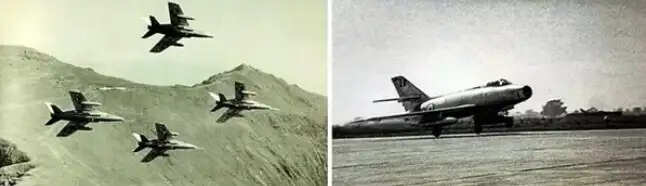
What we saw in that war were large-scale air battles over Punjab and in other areas. Both air forces did strike at military targets. While the naval role was minimal, the conflict brought to the fore the issue of air superiority in modern warfare.
Ceasefire and the Tashkent Agreement
As the toll rose and ammo supplies dried up, international pressure grew. The UN called for a ceasefire, which took effect on 23 September 1965.
In the first month of 1966, Indian Prime Minister Lal Bahadur Shastri and Pakistani President Ayub Khan signed the Tashkent Agreement, which put an end to hostilities and saw the withdrawal to pre-war positions.
Losses and Consequences
- The war left high casualties for all parties.
- Thousands of soldiers were killed.
- Tanks and aircraft in the hundreds were destroyed.
- Economic strain increased in both countries.
Despite great effort in battle, neither side was able to secure any large-scale territories. However, the war did see changes in military thinking, which in turn brought on modernization of the armed forces.
Legacy and Significance
In 1965, in the Indo-Pak War, which is recalled for the display of valour and resilience in the face of great challenge, the soldiers put up. In that war for India, the taking over of Haji Pir Pass and the defence at Asal Uttar, which turned into a stand for determination and sacrifice.
At that which the conflict did was to bring to light the great price of war. Human and economic loss served to highlight the value of diplomacy over conflict.
Conclusion
In 1965, India and Pakistan went to war, which was more than just a military affair; it was a turning point in the history of South Asia. Although it ended without large-scale changes in territory, the war did see the solidifying of national will and a restructuring of defence policies for both countries.
Today’s remembrance of the war is for more than its battles; it is for the bravery, sacrifice, and what we learned, which in turn reminds us of the power in nation states and the great cost of conflict.