

Know About Jawaharlal Nehru and his views on Education
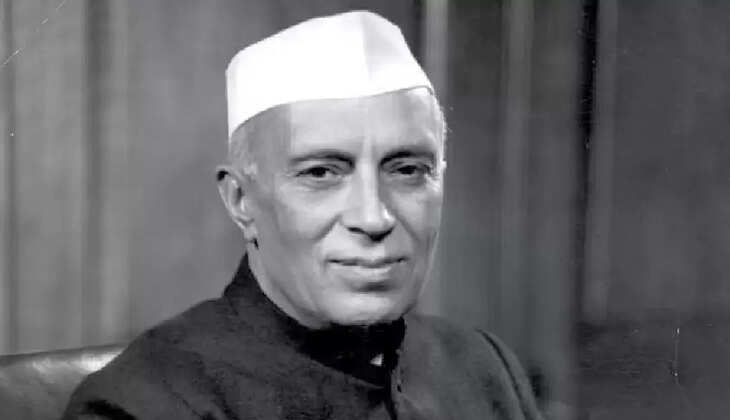
Jawaharlal Nehru saw education as the most important tool in the hands of the government for the timber of a ultramodern, popular, and progressive India. For Nehru, education was n't only limited to the four walls of the classroom it was a way of fighting against poverty, tearing down social walls, and opening up the world for everyone. He stressed that a well- educated society was a precondition for a important nation that could master wisdom and live in social harmony.
Scientific Temper and Its significance
One of Nehru’s persuasions was the need for the entire population to be scientifically inclined. He wanted education to foster logic, curiousness, and critical thinking. He was of the opinion that the only way for India to advance was when the millions espoused a rational approach and discarded the old ways of thinking. He'd go on to say that the seminaries and sodalities should be the bones that would constantly encourage the scholars to ask, to try, and to suppose in an unprejudiced way.
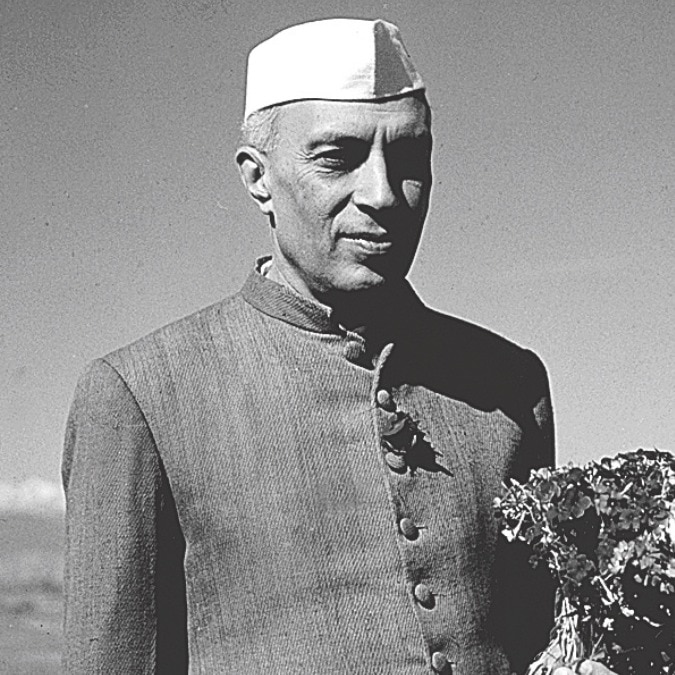
Nehru was a blessed visionary who brought about a host of youthful and energetic educational and scientific institutions in India. To him, the universities and exploration centres were the tabernacles of ultramodern India where the youthful minds would be free to suppose and serve the nation. He was always championing for advanced education in similar areas as wisdom, engineering, husbandry, and so forth, on the grounds that India would need competent professionals for the artificial and technological sectors to grow and be ultramodern.
The Drive for Education for All
Nehru was in favour of making education available to all. He claimed on expanding primary seminaries, perfecting adult knowledge, and developing vocational training for the youth. He visualised education inching on the pastoral areas, inviting women and marginalised communities, and so making sure that every citizen would be amended with the blessings of the nation’s progress. In his estimation, making education widely accessible would be of utmost significance for social justice and drawing the nation together.
Holistic Development
Nehru claimed that education should n't just be confined to academics but also include artistic understanding, moral values, discipline, and character development. He refocused out that the society of the future would correspond of compassionate, responsible, and tolerant individualities. A large part of his vision of education was to cultivate one's mind and character through the development of one's intellect and moral sense.