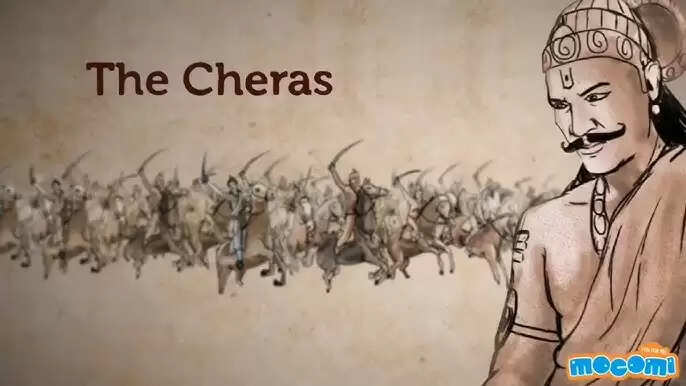


The Cheras
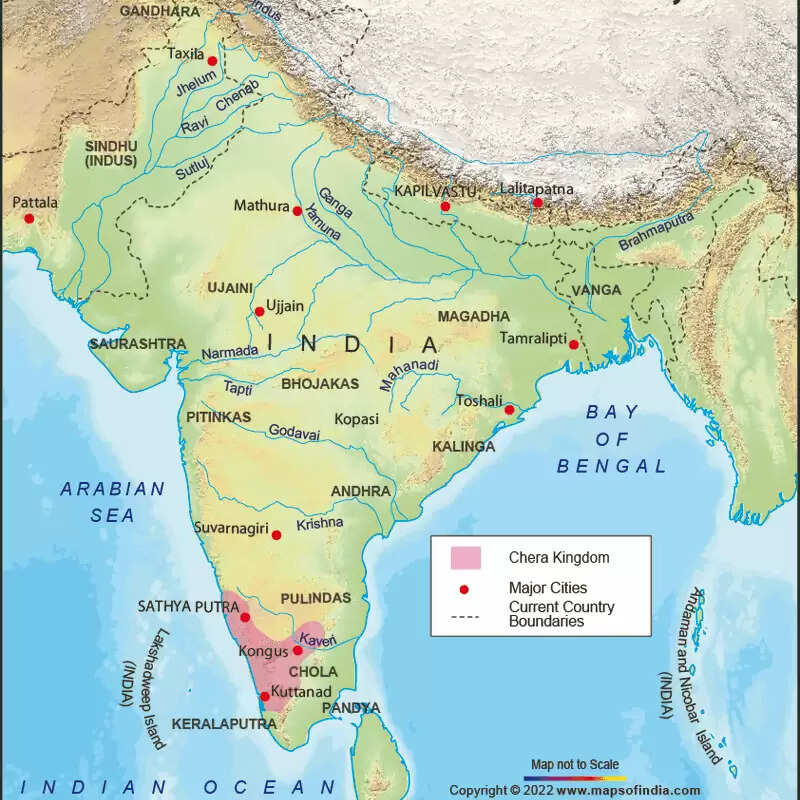
The Cheras were like, an ancient Dravidian royal dynasty from Tamil origin, and they were totally the first ones to establish a historical ruling dynasty in the area, you know? They ruled over Tamil Nadu and Kerala, which is in south-eastern and south-western India, respectively, and these areas have been inhabited since like, 5000 BC, when those Neolithic carvings were left in Edakkal Caves, bro!
So, their territory included regions like Venad, Kuttanad, Kudanad, Pazhinad, and others, and it stretched from Kanya Kumari in the south to Kasargod in the north, which is now in the far north of Kerala, you dig? They also had Palghat, Coimbatore, Salem, and Kollimalai, but idk, they probably didn’t rule all these areas at the same time, ’cause ancient borders were, like, super fluid, fam!
Their core territory was in Kerala, but the Pallavas pushed them out of Tamil Nadu, and they ended up establishing a capital at Vanchi, which the Romans knew as Muzris, thanks to their sick sea-borne trade, lowkey!
The Cheras were all about ancestral worship, and their war goddess was Kottavai, but no structural temples, dude! They kept images of gods under trees, and it was all chill until the Brahmins showed up and things got more structured, ya feel?
Agriculture was the main thing, and they were all about foreign trade, iron tools, fishing, hunting, spinning, weaving, carpentry, and salt manufacture, tbh! They exported precious stones, pearls, and spices from Kerala, and their ports were like, Muzris, Tyndes, Barace, and Nelaynda, fam!
The ruler was called ‘ko’, ‘kon’, or ‘kadumko’, which means ‘great king’, and they were known by their titles, which were based on their personality, habits, or achievements, bruh!
Anyway, that’s a brief lowdown on the Cheras. They were a big deal in ancient India, and their legacy lives on, you know?
About the Author