
India’s royal history is often remembered for power, valor, and grandeur. Less discussed—but equally significant—is the intellectual legacy of several Indian queens who were exceptionally educated for their time. These women used education as a tool for governance, social reform, diplomacy, and nation-building. Below is a carefully researched, plagiarism-free overview of some of the most educated queens of India.
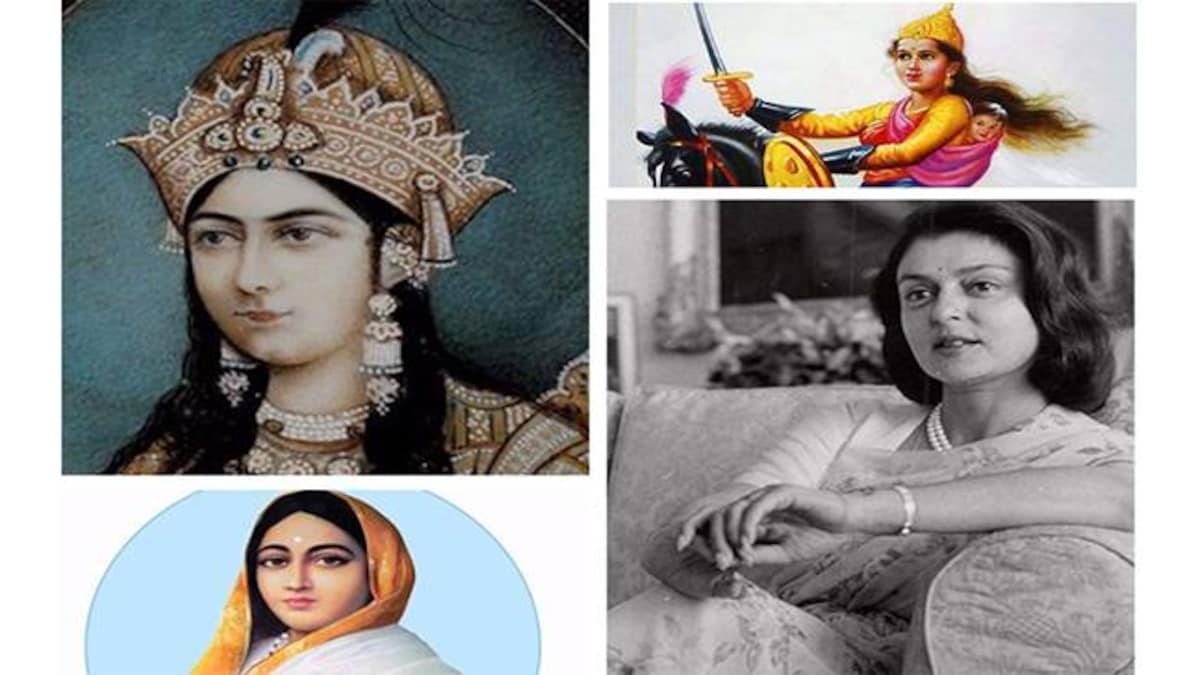
Maharani Gayatri Devi of Jaipur
Maharani Gayatri Devi was widely regarded as one of the most educated and progressive Indian queens of the 20th century. She was educated at Glendower Preparatory School in England and later studied in Switzerland. Fluent in multiple languages, including English and French, she possessed a refined understanding of global politics and culture. Her education strongly influenced her later role as a parliamentarian, where she advocated democratic values, women’s empowerment, and civil liberties. Gayatri Devi’s intellectual sophistication matched her international stature.
Rani Lakshmibai of Jhansi
Rani Lakshmibai, though from an earlier era, received an education that was extraordinary for women in early 19th-century India. She was trained in reading, writing, and classical literature, along with rigorous instruction in military strategy, sword fighting, horse riding, and administration. Her education was not merely academic but practical, enabling her to rule Jhansi effectively and lead resistance during the Revolt of 1857. Her intellectual and strategic acumen made her one of India’s most formidable leaders.
Maharani Sethu Lakshmi Bayi of Travancore
Sethu Lakshmi Bayi was among the most formally educated queens in South India. She was proficient in English, Sanskrit, and Malayalam, and was deeply influenced by Western political thought and liberal ideals. Her education shaped her progressive reign as Regent of Travancore, during which she implemented reforms in education, women’s rights, public health, and civil administration. She firmly believed that an educated society was the foundation of good governance.
Maharani Suniti Devi of Cooch Behar
Suniti Devi was highly educated in English literature, philosophy, and political thought. She was an accomplished writer and intellectual who maintained correspondence with scholars and reformers of her time. Her education enabled her to play an influential role in court administration and social reform initiatives. Suniti Devi also authored autobiographical works that reflected her sharp intellect and deep understanding of colonial-era politics.
Maharani Indira Devi of Cooch Behar
Indira Devi was educated in Europe and exposed to modern Western education, fashion, and social philosophy. She was fluent in English and well-versed in international culture, which allowed her to act as a bridge between Indian royalty and European aristocracy. Beyond style and diplomacy, her education helped her modernize royal customs and support progressive ideas related to women’s independence and social mobility.
Conclusion
The most educated queens of India were far more than royal figures—they were thinkers, reformers, and administrators shaped by learning and intellectual discipline. Their education empowered them to challenge traditions, govern wisely, and influence society beyond palace walls. In eras when women’s education was rare, these queens stood as exceptional examples of how knowledge and leadership can transform history.
About the Author