

The Rising Journey of Lollo Rosso
Sep 29, 2025, 00:59 IST
Introduction
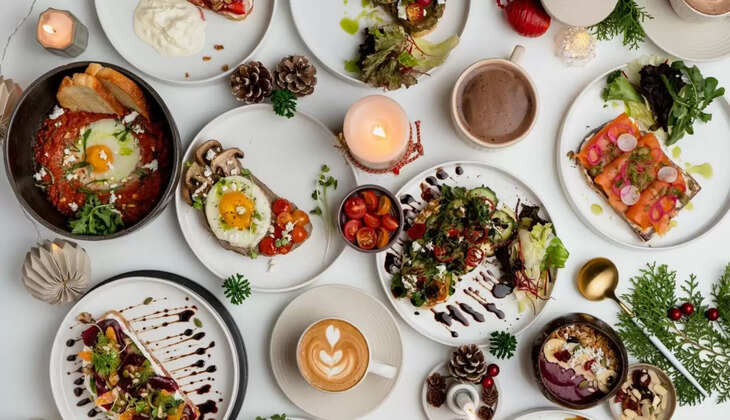
Lollo Rosso has established a unique identity in the world of leafy greens. The curly, deep red leaves of this Italian-origin lettuce type not only look great, but this type of lettuce is also a powerhouse in terms of nutrition. Lollo Rosso has evolved throughout the years to be a niche salad ingredient and then a super-food present in kitchens, restaurants, and healthy diets worldwide.
Origin and Unique Appeal
Lollo Rosso originated in Italy, where it initially became popular due to its brilliant color and appealing frilly leaves. It is thought to be named after the face of an Italian actress, Gina Lollobrigida, the name Lollo, which means beauty and grace. As opposed to regular lettuces, Lollo Rosso has burgundy-tipped leaves that can be used as a garnish and improve the aesthetics of the meals.
Nutritional Powerhouse
On top of being beautiful, Lollo Rosso is full of health. It contains low calories and has lots of antioxidants, Vitamin A, C, K, and other vital minerals such as iron and potassium. Its extensive fiber base assists digestive processes, whereas antioxidants are effective in fighting oxidative stress, which is why it is popular with fitness people and wellness groups.
Global Popularity and Culinary Uses
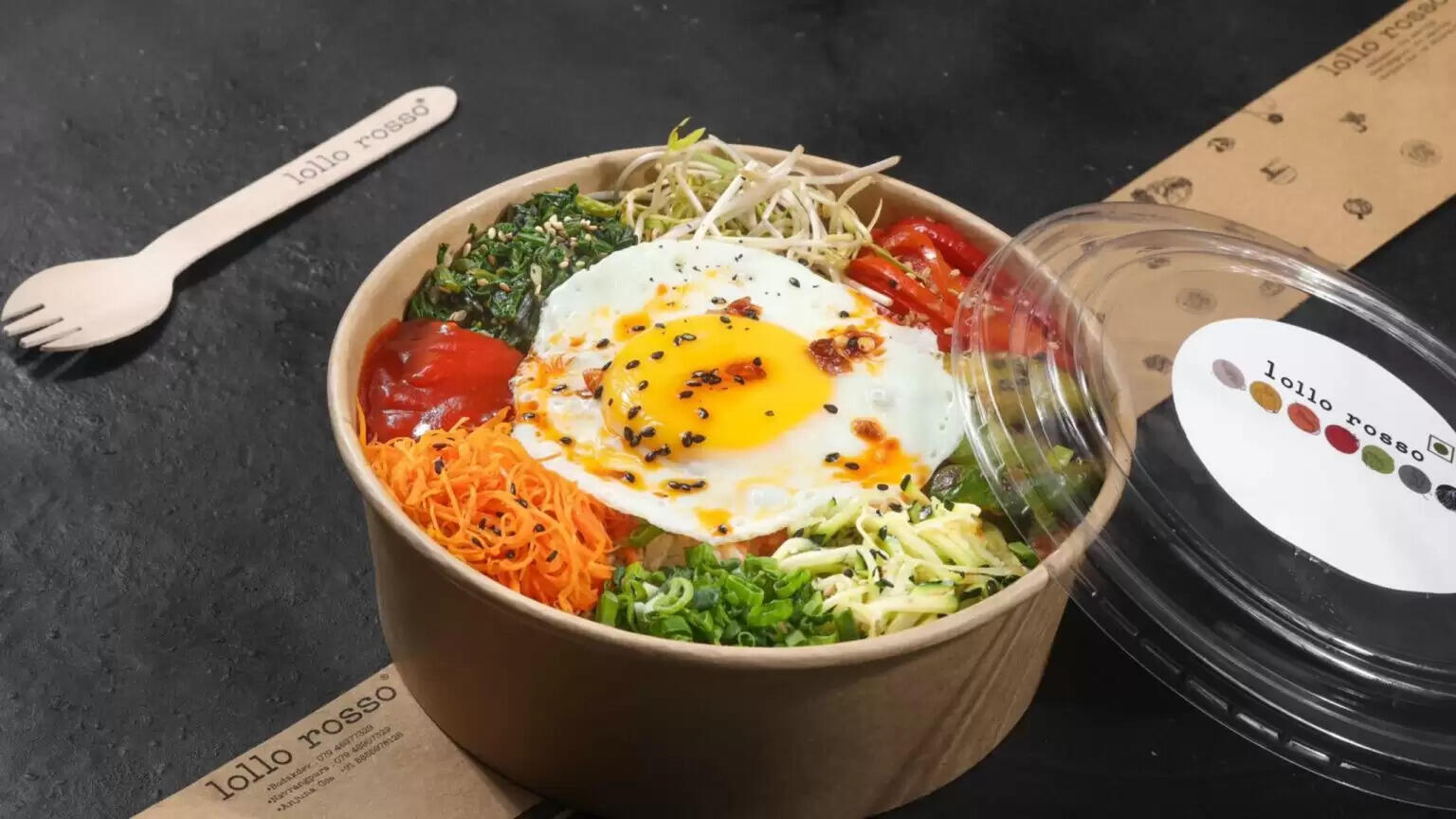
Lollo Rosso has been thrust into the limelight by the increasing demand for organic and healthy food. It is used worldwide by chefs to give salads, wraps, and gourmet meals a crunchy and colorful look. It has a slight bitterness that is complemented by citrus dressings, grilled meats, and even sandwiches. It has also gained its presence in smoothies and detox drinks in recent years, which speaks to its applicability.
Future of Lollo Rosso
As the focus on sustainable agriculture and living a healthy lifestyle increases, the path of Lollo Rosso is just starting. Hydroponic and vertical gardening have allowed it to be more available and, therefore, are a year-round supply without diminishing its nutritional benefits. It is not only in domestic kitchens and fine dining where Lollo Rosso has gained popularity and proves itself to be more than a salad green it is a symbol of health, taste, and elegance.
Conclusion
The story of Lollo Rosso, as it travels through the fertile Italian lands, to the international cuisines, is an indication of the worldwide trend toward healthy and aesthetic cuisines. Due to its colorful appearance and amazing health advantages, it will keep on climbing as a celebrity in the leafy greens industry.