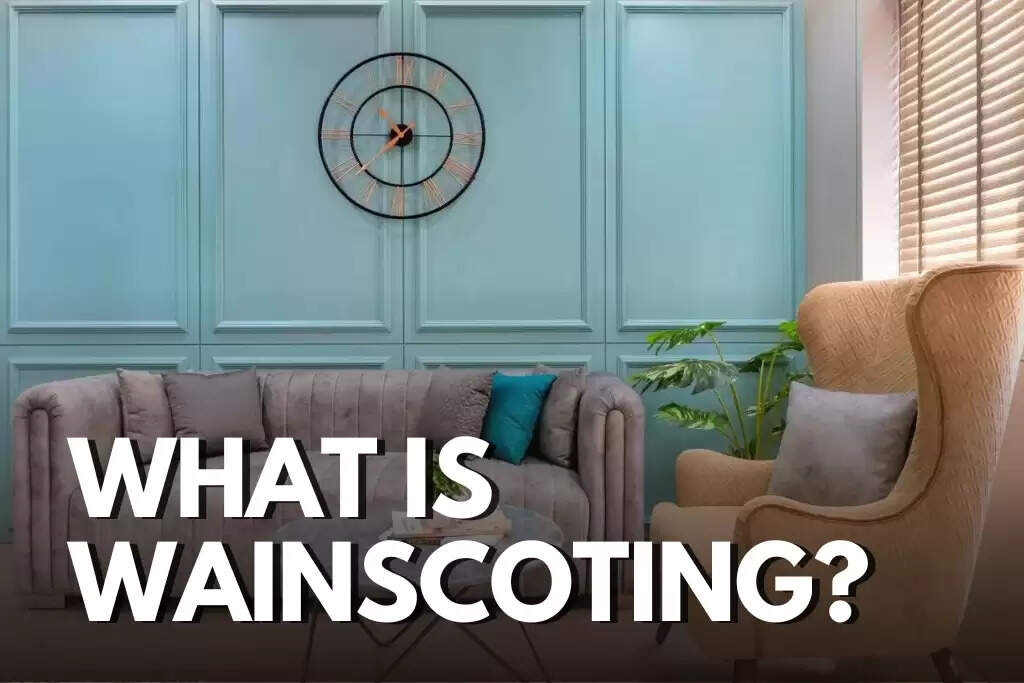

Wainscoting, which is a feature of classic Victorian and colonial design, has made a comeback in modern home design.It is decorative wall paneling for the lower wall area, which in the past was used to protect surfaces from wear and tear. Today, wainscoting does double duty of looking good and functionality, also it is an element that brings in texture, depth, and character to any home — even in very contemporary Indian settings. Although in the past it was made from solid wood, today we see it done in a variety of materials that cater to different climate requirements, budget, and style.
What Is Wainscoting?
Wainscoting is what we use to refer to a paneling that goes in at the bottom one-third to one-half of a wall. It may be put in a very simple and modern style or in a very detailed and ornamental way. Also, it outperforms in a few key areas:
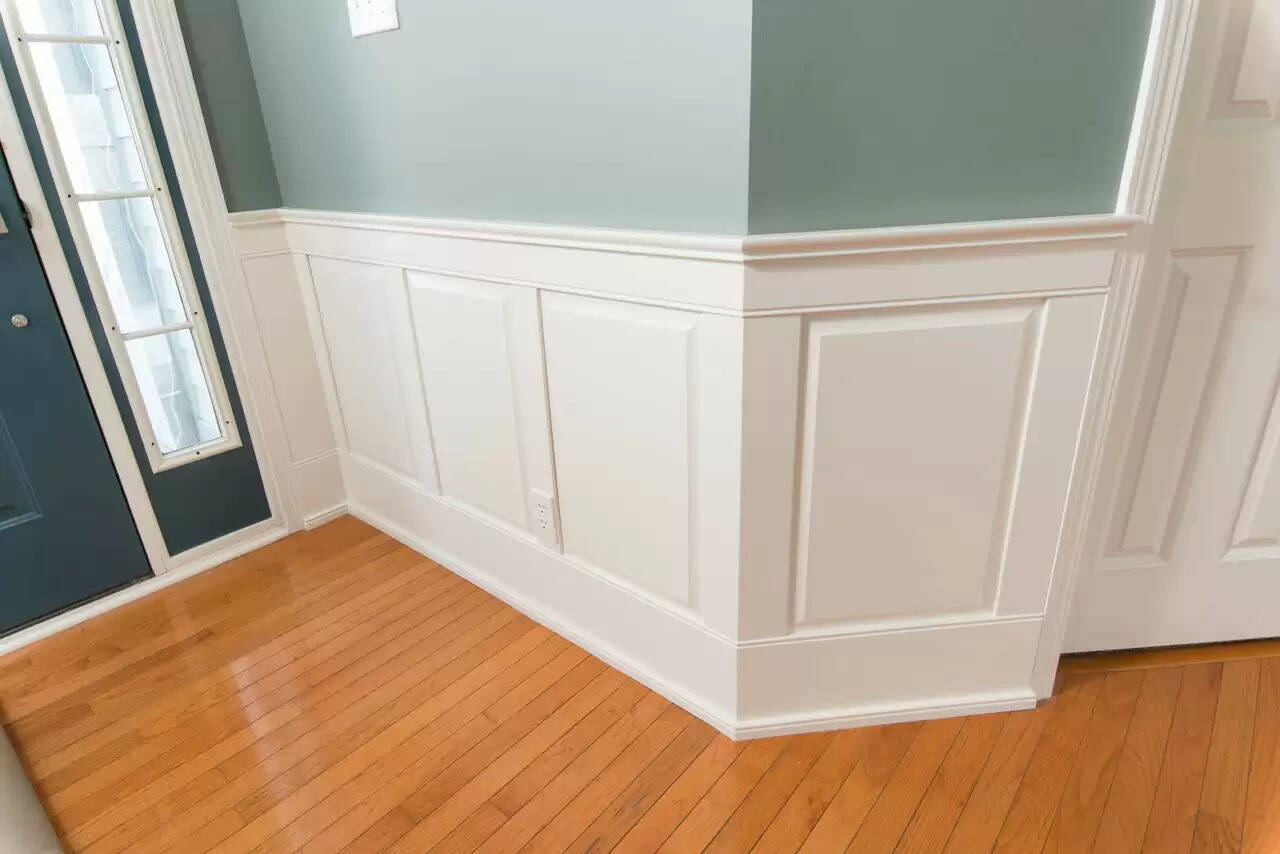
Wear and tear resistance in high-traffic areas like corridors and dining rooms.
Design improvement, which includes the visual structure and elegance.
Hiding imperfections, cracks, wiring, or lumpy plaster.
Unlike paper or paint, wainscoting adds a textural element. Even in minimalistic homes, it’s a simple way to add dimension.
Types of Wainscoting
1. Raised Panel Wainscoting
This is what you will see in the very classic form. Panels are slightly protruding with 1 beveled edge. It has a grand scale and classic look, which is perfect for drawing rooms or formal dining areas. In Indian colonial-style bungalows or heritage homes, raised panels bring in a timeless ambiance.
2. Flat Panel (Shaker Style) Wainscoting
Flat panel wainscoting is a modern touch that is also very versatile. In terms of design, it is very clean, which makes it a great fit for Indian homes that lean towards minimalism. Also, it goes well with neutral colors and Scandinavian-influenced decor.
3. Beadboard Wainscoting
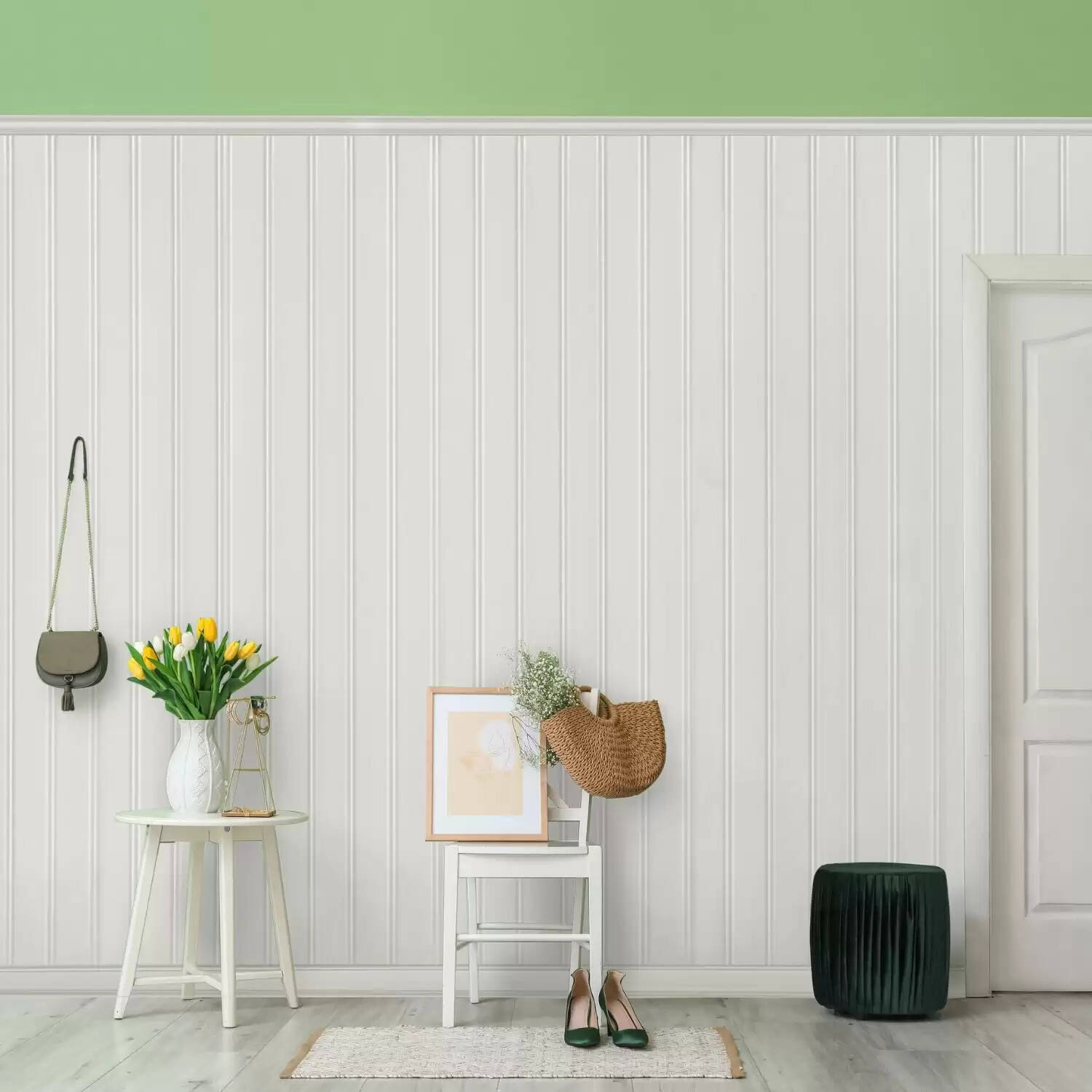
Beadboard features narrow vertical planks that are very close together. It has that warm, cottage look. Also, it works perfectly in kitchens, bathrooms, and kids’ rooms. It brings a cozy element to the room without overdoing it.
4. Board and Batten Wainscoting
This style features vertical boards, which are narrow (battens). It puts out a bold linear pattern, which does well inmodern and rustic settings. Homeowners tend to use it for accent walls in bedrooms, which in turn gives the illusion of a higher ceiling.
5. PVC and MDF Wainscoting
While out of the style category, these material types are important in Indian contexts. PVC is water and termite-resistant, and MDF is economical and smooth. Both are to hardwood what alternatives are.
Applications of Wainscoting
1. Hallways and Corridors
Hallways report the most damage from bags, kids, and movement. Wainscoting is a solution that also brings a greater visual balance.
2. Living and Dining Areas
Adding panels here transforms the ambiance instantly. For a luxurious hotel-style look or soft, elegant feel, wainscoting adds architecture.
3. Bedrooms
Headboards, wall spaces, and nooks can have a flat or board-and-batten look. Soft pastels with wainscoting bring out a tranquil feel.
4. Kitchens
In breakfast nooks and the bottom half of open kitchens, beaded paneling adds that warm touch. Also, it is found that PVC does very well in areas of high moisture.
5. Bathrooms
Moisture-resistant wainscoting will prevent damp from getting to the plaster. Also, it adds a spa-like touch when you use calming colors.
Indian Requirements and Climate Considerations
India’s wide range of climates requires that we think carefully about which materials we use. In coastal areas, high humidity can cause solid wood to warp, which is when PVC, WPC, or treated wood is a better option. Also, in termite control, you will see that using borer-resistant MDF or pre-treated wood is of great importance.
Indian homes present uneven wall surfaces from different plasters, which in turn we can cover up with wainscoting.Also, in Indian families, it is a practice to clean walls at the entrance and kitchen areas, so we put in washable paints and durable panels.
Another issue is that of ceiling height. In many Indian apartments, we see 9 to 10 ft high ceilings, which in turn means panel height should be between 32 and 42 inches. We see that panels of greater height than this make rooms look cramped, and that panels which are too short break the balance.
Extra Insights for Homeowners
Colour Choices: Muted neutrals, sage green, charcoal grey, and warm white colors, which in turn pair very well with most Indian decor styles.
DIY-Friendly: Today’s MDF and PVC panels may be put up with adhesives and nails, which makes them a budgetoption.
Lighting Plays a Role: Wall-mounted lights or warm LED strips greatly enhance the shadows and textures of wainscoting.
Easy Upgrades: In some cases, a single accent wall with simple paneling may transform a room at a much lower scale of renovation.
About the Author