

Know Everything About Gaikwad Surname, Caste
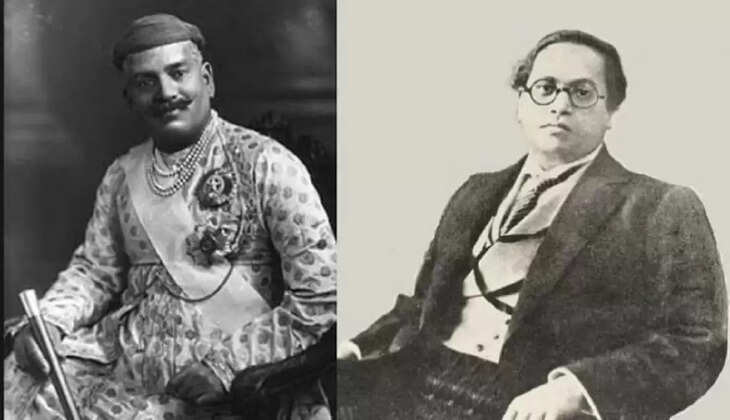
The Gaikwad (also spelled Gaekwad) surname is one of the most historically significant surnames in India, strongly associated with Maratha heritage, royal lineage, and administrative leadership. Over time, the surname has spread across regions and communities, making it important to understand its origin, caste association, history, and modern-day usage clearly and accurately.
Origin of the Gaikwad Surname
The word Gaikwad comes from two Marathi words:
-
“Gai” meaning cow
-
“Kawad/Wad” meaning caretaker or protector
Originally, the term referred to cow protectors or cattle keepers, an occupation that held social and economic importance in rural Maharashtra. Over centuries, families using this title rose in military and administrative ranks during the Maratha period.

Historical Background of the Gaikwad Surname
The Gaikwad surname gained prominence during the Maratha Empire (17th–18th century). The most famous Gaikwads established their rule in Baroda (present-day Vadodara, Gujarat).
The Gaikwads of Baroda were originally Maratha generals who later became hereditary rulers. One of the most influential rulers was Sayajirao Gaekwad III, known for progressive reforms such as:
-
Promotion of modern education
-
Abolition of social discrimination
-
Support for Dr. B. R. Ambedkar’s education
Under his leadership, Baroda became one of the most advanced princely states in India.
Gaikwad Surname and Caste Association
Primary Caste Association
Traditionally, the Gaikwad surname is associated with the Maratha caste, particularly:
-
Maratha (Kshatriya/warrior class)
-
In some regions, Kunbi-Maratha communities
The royal Gaikwads of Baroda are historically recognized as Maratha Kshatriyas.
Regional Variations
It is important to note that caste usage of the surname can vary by region:
-
In Maharashtra, Gaikwad is commonly linked to Maratha or Kunbi communities
-
In Gujarat and Madhya Pradesh, Gaikwad families may belong to different local social groups
-
Some OBC and SC communities have also adopted the surname over time due to occupational or administrative reasons
Therefore, surname alone does not definitively determine caste in modern India.
Gaikwad Surname in Modern India
Today, the Gaikwad surname is found across many professions, including:
-
Government services
-
Politics
-
Sports
-
Education
-
Business and entertainment
A notable modern example is Indian cricketer Ruturaj Gaikwad, who has brought contemporary recognition to the surname through sports excellence.
Gotra and Clan System (Traditional Context)
Among Maratha Gaikwad families:
-
Gotra identification was often secondary to clan loyalty
-
Lineage was more closely tied to military service and regional rule
-
Royal Gaikwads followed clan-based traditions rather than rigid Vedic gotra systems
Is Gaikwad a Royal Surname?
Yes, historically.
The Gaikwads of Baroda were one of the most powerful royal Maratha dynasties in India. However, not every person with the Gaikwad surname today belongs to the royal lineage. Over generations, the surname spread beyond nobility into the general population.
Common Myths About the Gaikwad Surname
-
Myth: All Gaikwads are royals
Fact: Only the Baroda Gaikwads were royal rulers -
Myth: Gaikwad belongs to only one caste
Fact: The surname is used by multiple communities today -
Myth: Surname alone defines social status
Fact: Modern Indian society does not determine status by surname
Conclusion
The Gaikwad surname represents a rich blend of Maratha history, royal legacy, and social evolution. While traditionally associated with the Maratha Kshatriya community, its modern usage spans across regions and professions. Understanding Gaikwad as a surname requires both historical context and contemporary awareness, rather than relying solely on caste assumptions.