

Credit Card Expiry: What It Means and How It Affects Your Credit Score
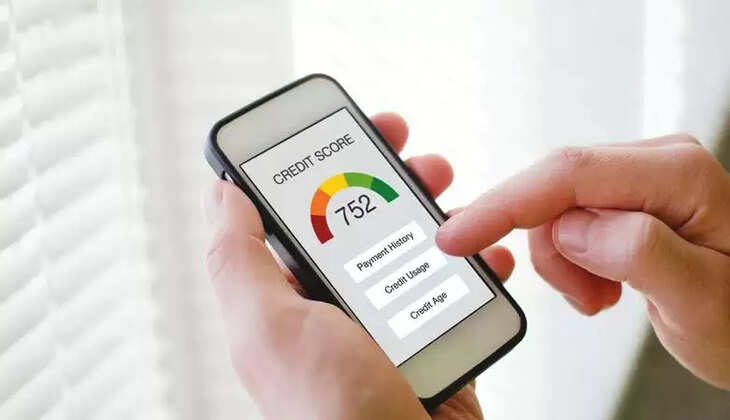
Your credit card’s expiry date isn’t just a number printed on the plastic. It’s a critical financial milestone. Many cardholders assume expiry is a routine process and expect a replacement card to arrive automatically. But that assumption can be costly. Mishandling this transition can harm your credit profile instantly. Understanding the difference is essential. A single misstep can negatively affect your CIBIL score without warning.
The Core Difference: Expiry vs. Closure
When a credit card expires, the physical card becomes invalid, but the account itself remains active on your credit report. The issuer expects you to continue using the replacement card, assuming the account relationship is ongoing. In other words, expiry affects the card, not the account.
Closing a credit card is not the same as expiry. When you close a card, the relationship with the issuer ends permanently, and your available credit limit is removed. This action directly influences your CIBIL score calculation. In contrast, expiry is simply a renewal process, the account remains active, and you continue with a replacement card. Never confuse closure with expiry; one terminates the account, the other refreshes it.
| Account Action |
Physical Status |
Credit Account Status |
Primary CIBIL Impact |
| Expiry |
Card is invalid. |
Account remains open/dormant. |
Risk of payment default via auto-pay failure. |
| Closure |
Card is cancelled. |
Account is formally terminated. |
Reduces total available credit, raising Credit Utilisation Ratio. |
Critical CIBIL Score Impacts of Credit Card Expiry
Ignoring an expired card introduces significant risks. These issues often cause score drops. They are entirely avoidable with simple action.
1. Auto-payment Failure is a Major Threat
Most cardholders link their credit cards to recurring payments. You might use it for subscriptions. Utility bills or streaming services often run on autopay. When your old card expires, these payments fail instantly. The new card often carries a different CVV or expiration date.
A failed payment on a utility or subscription shows up negatively. This reporting often goes to multiple credit bureaus. Missed payments are the single worst factor affecting a credit score. The default date is reported in 30 days. You must update all linked services immediately.
2. The Credit Utilisation Ratio (CUR) Nuance
Your CUR is vital. It is the percentage of total credit used versus total credit available. A ratio above 30% is considered risky by lenders. Ideally, you keep it below 20%.
An expired card still technically contributes to your available limit. But what if the replacement card is delayed? You may start using another card more heavily. This new card's utilisation ratio rises quickly. If you max out a different card, your overall CUR increases. You should check your CIBIL score regularly to monitor this number. Lenders often check the total limits across all accounts.
3. Length of Credit History Preservation
The length of your credit history matters significantly. It accounts for about 15% of your CIBIL score. Your oldest card acts as an anchor. It proves your long-term responsible credit behaviour.
Expiry preserves this history. The account ageing continues uninterrupted. This is a massive benefit of renewal over closure. If you close your oldest card, the average age of all your accounts drops. This action immediately lowers your CIBIL score. Always keep your oldest card account active. Even if the card has no annual fee, keeping it open is highly advisable.
Immediate Action Steps When Your Card Expires
Expiry is a procedural change, not an ending. You must take specific steps to protect your credit health. These actions are simple but non-negotiable.
- Confirm Replacement: Call your card issuer immediately if the new card is delayed. Confirm the shipping address is correct.
- Activate Promptly: Activate the new physical card as soon as you receive it. You must sign the card back immediately.
- Update All Vendors: Create a list of all linked auto-payments. Update the card number and expiry details with every vendor. This prevents payment defaults.
- Monitor Your Credit Report: After receiving and using the new card, check your CIBIL score. Ensure the account status on your report shows ‘Active’ or ‘Renewed’.
Proactively Shield Your CIBIL Score
Financial knowledge is power. You must stay ahead of minor events like expiry. This proactive approach separates informed users from others.
First, understand the importance of monitoring. The only way to know the impact is to check your report. Use reliable platforms like Bajaj Markets to check your CIBIL score routinely. A consistent check detects errors early.
Second, be disciplined about credit utilisation. Ensure you are never dependent on one card. Spread your usage to maintain a low ratio. This diversity protects you when one card is in transition. These are positive factors affecting CIBIL score outcomes.
Conclusion
Credit card expiry is a technical formality. It should not be a financial setback. You must actively manage the transition process. Ensure the new card is activated immediately. Prioritise updating all auto-pay mandates. Use the expiry event to confirm the health of your credit report. Being proactive ensures your credit score remains protected. Your CIBIL score reflects your discipline.