
Purchasing Travel Insurance Before a Long Trip Abroad: A Practical Confirmation, Comparison, and Timing Guide
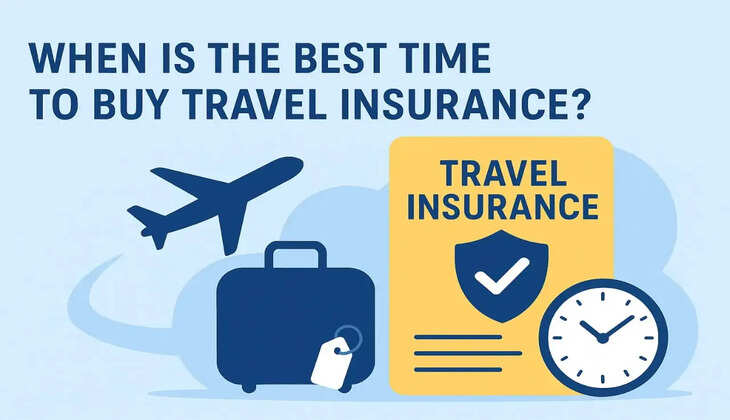
Planning a long trip abroad involves more than booking flights and accommodation. It also requires careful financial and medical preparation, especially when an unexpected disruption could affect a longer journey. That is why the decision to purchase travel insurance should be made with close attention to timing, policy terms, and the type of protection that may be needed during an extended stay overseas.
This blog explains when to buy cover, what to check before choosing a plan, and how to compare it properly for a long international trip.
Ideal Timing: When Should You Buy Travel Insurance?
The best time to buy a policy is usually soon after flights are booked or the first major trip payment is made. Buying early may allow some protections to begin sooner and give more time to review the wording properly.
How Early Purchase Expands Protection
An early purchase may cover pre-departure problems that affect the trip before it starts. This may matter when there are non-refundable bookings, visa-related costs, or several services linked to one journey. It also allows time to check waiting periods, exclusions, claim rules, and document requirements before the travel date gets too close.
Confirm the Coverage Scope Before Purchasing
Before choosing any policy, check what is covered, what is limited, and what is excluded. Long trips often need broader coverage because the travel period is longer and the financial exposure may also be higher.
Medical Coverage Limits
Medical cover is one of the most important parts of an international travel insurance policy. For a long trip, review the limits against the destination, likely healthcare costs, and emergency support terms.
Key aspects to verify:
-
Emergency hospitalisation abroad
-
Doctor consultations
-
Emergency medical evacuation
-
Repatriation to the home country
-
Sub-limits, waiting periods, and excess amounts
Trip Cancellation and Interruption Protection
This part of the policy covers financial losses if a trip cannot start as planned or is cut short after it begins. It becomes more important when a long journey includes several prepaid bookings.
Check whether the policy covers:
-
Illness before departure
-
Natural disasters at the destination
-
Airline disruptions
-
Covered reasons for cutting the trip short
-
Rules for recovering non-refundable booking costs
Baggage and Personal Belongings
Long journeys often involve more stopovers and multiple baggage handovers, which may increase the risk of delay or loss. For that reason, baggage cover should be checked carefully for both the benefit amount and the claim conditions.
Confirm compensation for:
-
Lost baggage
-
Delayed baggage
-
Stolen valuables
-
Per-item limits and total baggage limits
-
Reporting and proof requirements for claims
Understanding Pre-Existing Medical Condition Windows
Pre-existing medical condition terms should be checked very carefully before buying a policy. Some plans may apply a look-back period, while others may limit or exclude coverage for conditions that existed before the policy started. It is also important to check whether regular medication, follow-up care, or related complications are covered under the policy.
Key Factors to Compare Across Travel Insurance Plans
Price matters, but it should not be the only point of comparison. The plan details below often affect how useful the policy may be during a long trip.
| Factors |
Why It Matters |
| Medical Coverage Limit |
Determines the maximum amount available for hospital and treatment expenses abroad. |
| Deductible Amount |
Refers to the amount the traveller may need to pay personally before the insurance starts covering the claim. |
| Trip Cancellation Coverage |
Helps protect prepaid travel expenses if the trip is cancelled for a covered reason. |
| Emergency Evacuation |
Becomes important if urgent transport is needed, especially in destinations with limited medical access. |
| Policy Exclusions |
Clarifies the situations, conditions, or events for which the policy will not provide coverage. |
Matching Insurance Duration With Trip Length
The policy period should match the full travel schedule and not only the flight dates. It should cover departure, transit, the full stay abroad, and the return journey. It is also wise to check whether the plan allows extensions if travel is delayed, and how it works for stopovers or route changes. A policy that ends too early may leave part of a long trip outside of coverage.
Conclusion
Travel insurance for a long trip abroad should be bought with clear checks and sensible timing, not as a last-minute task. A suitable decision depends on reviewing the coverage scope, comparing key policy terms, understanding medical condition rules, and matching the insured period to the full journey. When these points are checked properly, the policy may offer better financial and practical support if a medical issue, cancellation, interruption, or baggage problem affects the trip.