

Simple Ways to Soothe Muscle and Joint Discomfort at Home
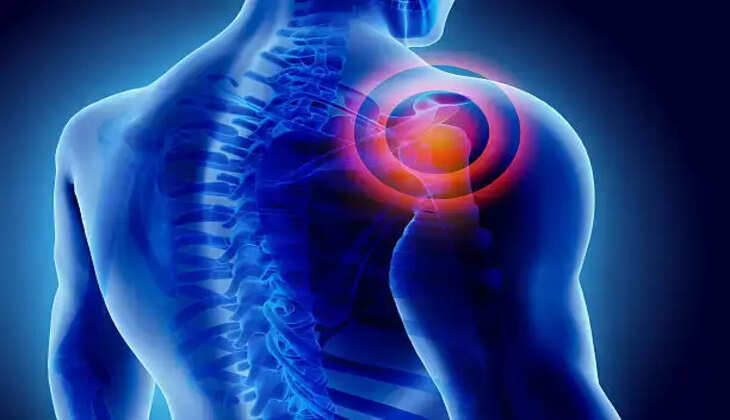
Joint and muscle discomfort can affect anyone, from the sports enthusiast to the couch potato, and everyone in between. Due to overuse, slight trauma, age, or disease, chronic pain or stiffness may affect mobility and daily functioning. While severe or persistent symptoms always need to be assessed by a health care professional, some simple techniques you can perform at home might alleviate pain and increase comfort.
Knowing the Common Culprits
Before resolving discomfort, it's essential to identify potential causes. Muscle and joint aches often result from:
- Overexertion: Engaging in strenuous exercise without proper preparation can lead to overworking muscles and joints.
- Poor posture: Prolonged periods of standing or sitting incorrectly can lead to muscle tension and aches.
- Arthritis: Osteoarthritis and other diseases cause chronic inflammation in joints.
- Recovery from injury: Mild sprains, strains, and repetitive stress injuries can result in leftover pain.
- Sedentary lifestyle: Restricted mobility leads to muscle weakness and stiffness.
In some cases, discomfort may also arise from urinary tract infections, where medications like niftas100 tablet are prescribed for bacterial control.
Knowledge of the source of pain enables safer and more effective use of home remedies.
Gentle Exercise and Stretching
Contrary to the popular misconception that rest is the only cure, gentle movement can often alleviate muscle and joint pain. Low-impact activities such as walking, swimming, or cycling promote blood flow and joint lubrication. Gentle stretches increase flexibility, reduce stiffness, and assist in recovery.
A daily routine may be as simple as:
- Neck and shoulder rolls to relax the upper body.
- Hamstring stretches to relax leg tightness.
- Yoga stretches, like child's pose or cat-cow, for generalised muscle relaxation.
- Begin slowly in all cases, particularly if there is pain, and discontinue immediately if sharp pain occurs with any movement.
Using Heat and Cold Therapy
Heat therapy relaxes muscles, increases blood flow, and reduces stiffness, making it an appropriate choice for chronic or post-workout pain. Apply warm compresses, heat packs, or a warm water shower for 15–20 minutes per session.
Cold therapy is ideal for new injuries, inflammation, and swelling. Apply an ice pack or cold compress for 10–15 minutes in short intervals to relieve pain and avert damage to tissues.
Most people usually alternate heat and cold therapy to have maximum effect, but one needs to tailor the approach to the type of pain.
Over-the-Counter Pain Relief
Topical analgesics, anti-inflammatory gel, and mild oral pain medication can help control fleeting muscle and joint pain. Properly used, non-steroidal anti-inflammatory drugs (NSAIDs) reduce inflammation and swelling.
For those who prefer topical products, ointments containing menthol, capsaicin, or camphor can provide temporary pain relief through stimulation of nerve endings and increased blood flow.
Drugs, however, must be used within the specified dose and duration.
Massage and Self-Myofascial Release
Massage eases tight muscles, increases circulation, and releases tension around joints. Self-massaging with fingers or a foam roller can be used lightly on tender areas.
To increase its effectiveness:
- Use slow and deliberate pressure.
- Massage in line with the direction of muscle fibres.
- Follow heat therapy for enhanced relaxation.
- Self-myofascial release actions using a roller or ball can redistribute knots in muscles, leading to improved mobility.
Proper Hydration and Nutrition
Joint and muscle function depend much on nutrition and hydration. Dehydration can cause muscle cramps and reduced joint lubrication. Drinking adequate water during the day keeps tissue elasticity.
Diet also plays a role:
- Omega-3s in fish, flaxseed, or walnuts reduce inflammation.
- Vitamin D and calcium support bone structure.
- Fruit and vegetable antioxidants protect tissues from oxidative damage.
- Avoid excessive processed foods and sugars, as they can become pro-inflammatory.
Rest and Recovery
While activity is paramount, rest is also vital. Overworking muscles and joints can lead to increased stress or injury. Insert rest days between vigorous exercises and listen to your body. Sleep is also a significant recovery component, as it restores tissue and reduces cortisol levels, which impact inflammation.
Supportive Equipment and Joint Protection
Bracing, compression sleeves, or ergonomic supports can relieve pain in affected joints and muscles. Supportive footwear is especially valuable for those with knee, hip, or lower back pain, as it keeps the proper alignment and reduces joint pressure.
When performing daily tasks, be mindful of posture mechanics and body movement. Proper lifting, bending instead of twisting, and using tools or supports can be a big help.
Stress Management
Anxiety and stress can increase muscle tension and intensify distress. Adding methods of relaxation, such as deep breathing, progressive muscle relaxation, or meditation, can help decrease both mental and physical tension.
Even engaging in pleasurable activities or spending time outside can help deflect attention from pain and towards general well-being.
Herbal and Natural Remedies
There are a few natural treatments that have traditionally been used to relieve joint and muscle pain:
- Turmeric: Has curcumin with anti-inflammatory effects.
- Ginger tea: Warm ginger drinks can help decrease pain and stiffness.
- Epsom salt baths: The body may absorb magnesium through Epsom salts, which helps relax muscles.
These home remedies can be used alongside conventional care, but ensure they are safe for your specific condition.
When to Seek Professional Care
Most minor aches can be treated at home, but some signs require medical assessment:
- Chronic joint pain that persists for more than two weeks.
- Severe redness or swelling of joints.
- Rapid weakness or inability to bear weight.
- Fever or unexplained weight loss in combination with joint pain.
In other cases, pain in the joints may be linked to infections, autoimmune diseases, or metabolic disorders that must be addressed through prescriptions. For example, if pain can be linked to a concealed infection, medications such as niftas 100 may be part of the prescription list, but always under the guidance of an experienced practitioner.
Long-Term Muscle and Joint Care
Prevention plays a significant role in avoiding recurrent soreness. Consistency of exercise, proper nutrition, proper hydration, and proper posture all contribute to healthier muscles and joints. Regular strengthening programs provide joint stability, and flexibility training maintains the range of motion.
In individuals with chronic diseases such as arthritis, close consultation with a medical professional guarantees safe and personalised care. It may include physical therapy, medication adjustment, and individual exercise programs.
Disclaimer: The following article is for general information purposes only and is not a substitute for medical professional care, diagnosis, or treatment. Always seek consultation with an appropriate medical professional before starting any exercise regimen, remedy, or drug.