

Top 10 Projects By Anant Raje
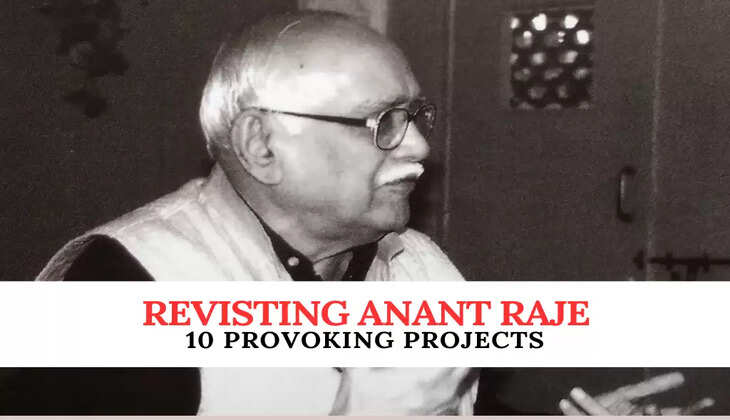
Anant Raje (1929-2009) was, and still is, one of the most venerated architects and educators in India after independence. Due to his intimate relationship with the great American architect and his philosophical inclination to Kahn’s architectural system, he was labeled the “Indian Louis Kahn” for the reasons of his close collaboration with the famous American architect Louis I. Kahn and his deep alignment with Kahn’s architectural philosophy. Raje, however, like Kahn, through his discipline, clarity of thought, and timeless built works, reflects mastery that makes him a key player in modern Indian architecture.
The Beginning of a Transformative Relationship

Raje graduated from Sir J.J. School of Art, Mumbai, in 1954, and later moved to Ahmedabad, invited by architect Balkrishna V. Doshi, who profoundly influenced his career. His life took a major turn when Louis Kahn personally invited him to work at his studio in Philadelphia, and from 1964 to 1969, Raje became one of Kahn’s closest collaborators. During this period, he worked on major institutional projects such as:
Indian Institute of Management Ahmedabad (IIMA)
Indian Institute of Forest Management (IIFM), Bhopal
Center for Environmental Planning and Technology (CEPT), Ahmedabad
National Dairy Development Board (NDDB), Anand
His ability to translate Kahn’s ideas into the Indian climatic, cultural, and social context positioned him as a bridge between two architectural worlds.
Philosophy, Character, and Identity
Raje was known for his quiet, introspective personality—an interpreter more than an exhibitionist. He remained detached from publicity and preferred intellectual depth over professional glamour. Over the course of five decades, he cultivated an independent design language rooted in disciplined geometry, spatial clarity, and sensitivity to light.
Often described as a “happy misfit”, he believed that architecture should speak for itself rather than demand attention. This conviction echoes strongly through his body of work.
Major Architectural Contributions
Raje designed several significant projects, many located in Ahmedabad, including:
ATIRA Staff Housing (1984) 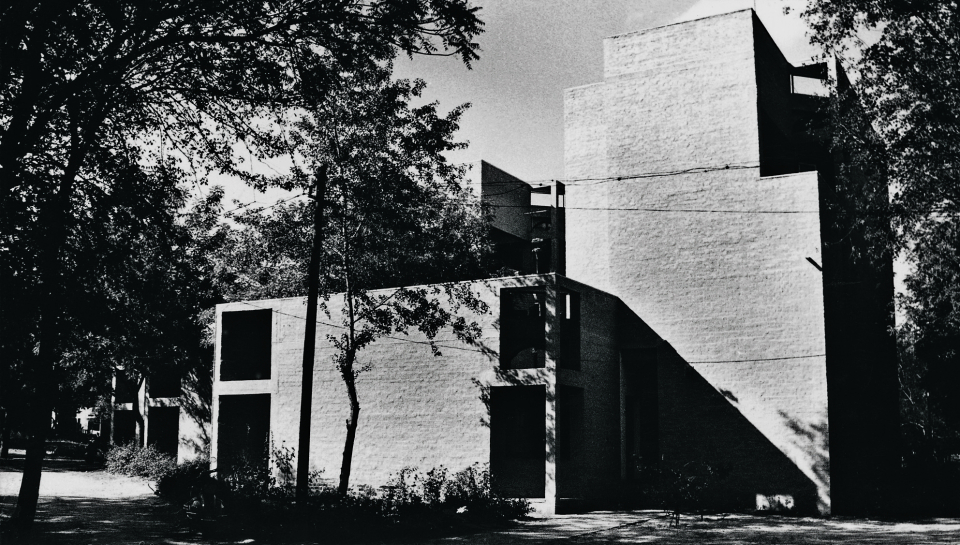 – emphasizing natural surroundings and courtyards.
Residence for Kanubhai Patel (1987) 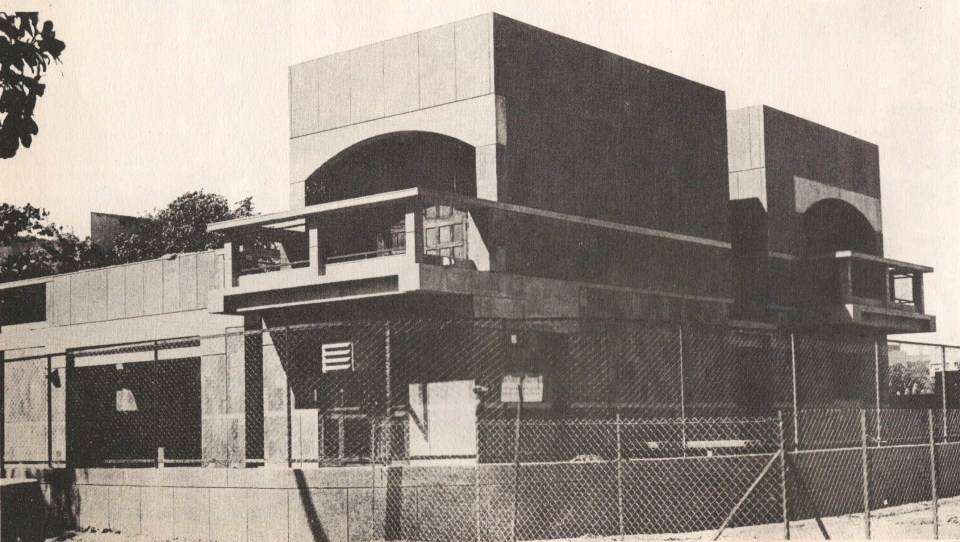 – celebrating climate-responsive verandahs and plinths.
Wedding Wall at Villa Shodhan (1990) 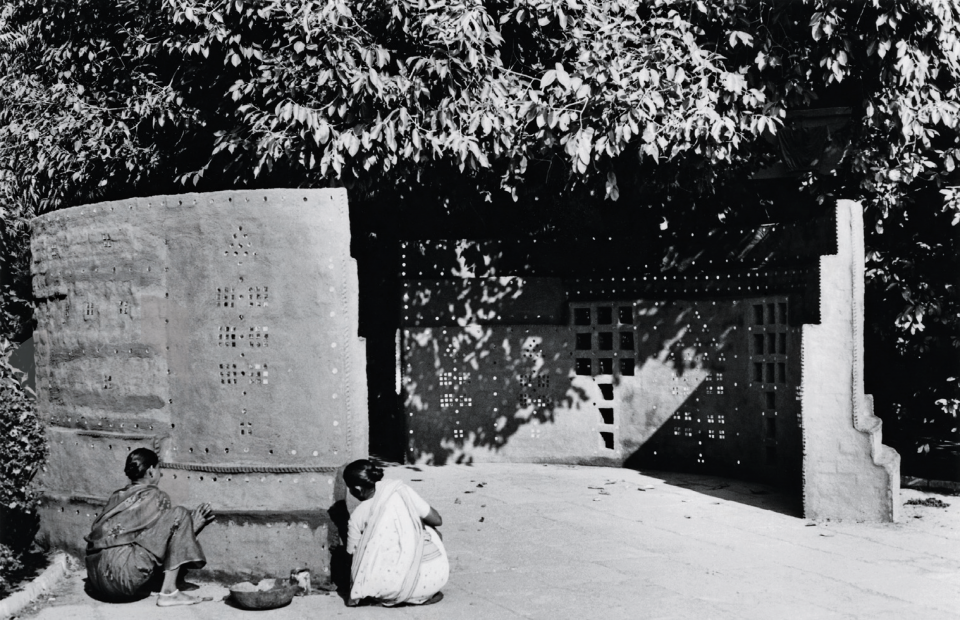 – blending folk traditions with modern installations.
Students’ Dining Hall & Kitchens (1978) 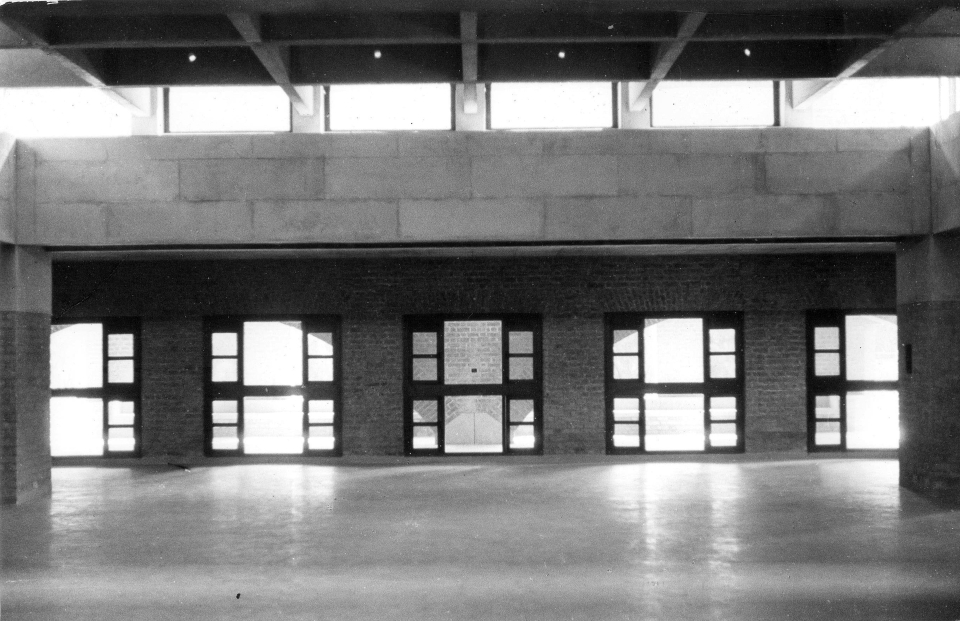 – showcasing form, circulation, and light.
Management Development Centre, IIM-Ahmedabad (1982) –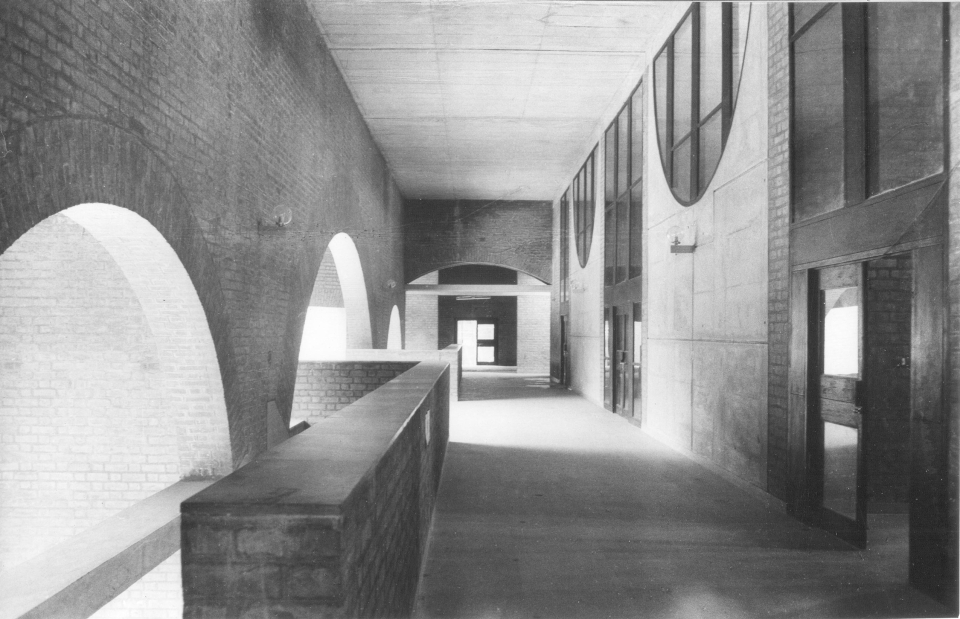 a spatially complex academic environment reflecting Kahn’s vocabulary.
Ravi Mathai Centre (1989) –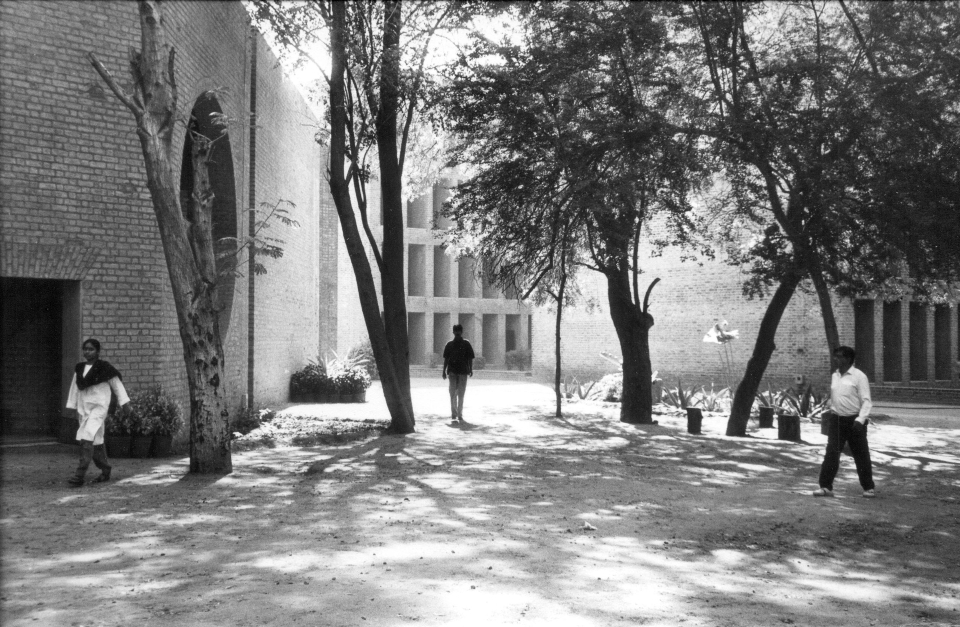 integrating Kahn’s order within a contemporary extension.
Galbabhai Farmers Training Institute (1983) 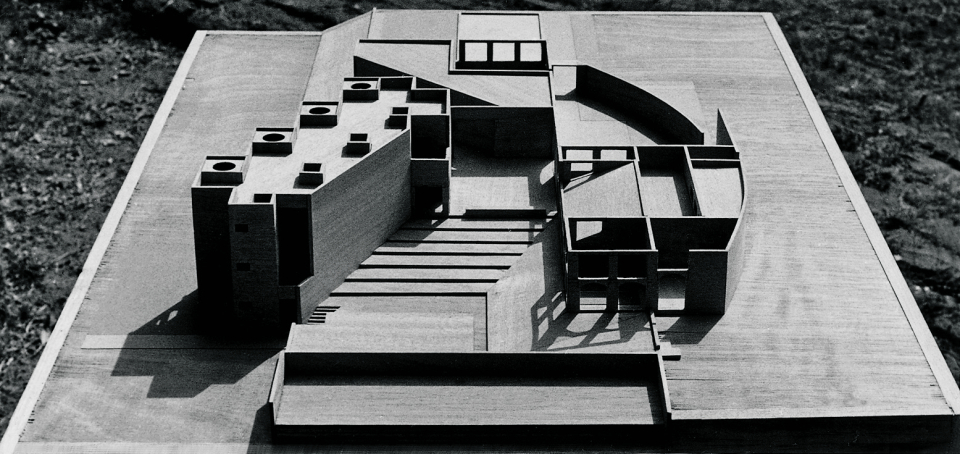 – modest yet powerful rural institutional planning.
MAFCO Dairy, Mumbai (1977) 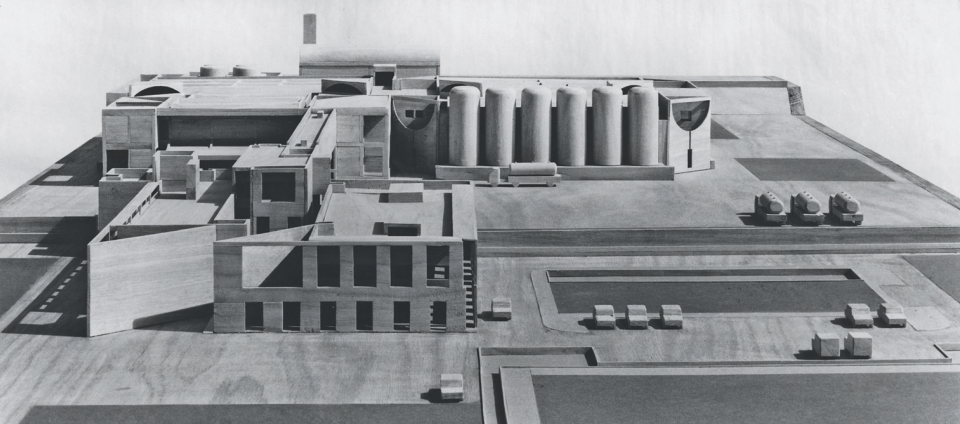 – emphasizing material honesty and industrial expression.
Minerals and Mining Museum, Nagpur (1988) 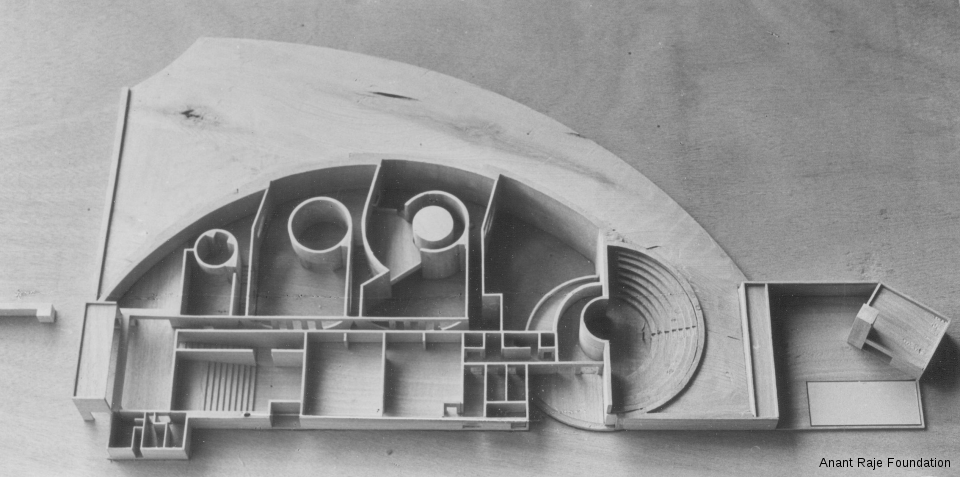 – partially buried for climatic response.
Indian Institute of Forest Management, Bhopal (1992) 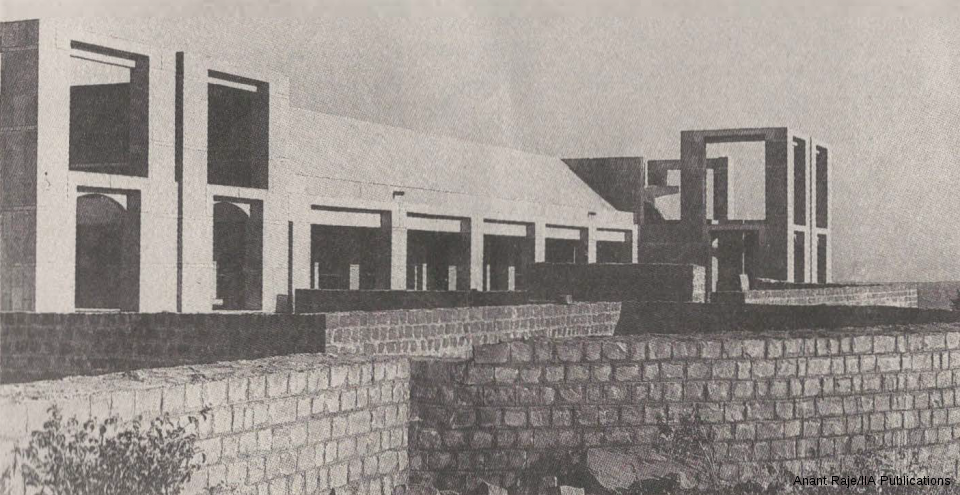 – designed for community learning and interaction.
Legacy and Significance
Anant Raje’s creation stands as a tribute to the harmony of light and shadow—the very lesson of Kahn, which had the greatest impact on the architect. Raje actually quoted Kahn:
“Light distinguishes and gives identity to space… light could make the character of a specific space more prominent.”
This way of thinking was always the backbone of his architecture.
His concern for the project in Ahmedabad was especially seen through his faith in solid and void, inside and outside, and material and atmosphere merging—ultimately giving us a legacy of ever-so-thoughtful and spiritually resonant architecture.
Conclusion
Anant Raje earned the title “Louis Kahn of India” not merely because he worked alongside Kahn, but because he internalized and evolved Kahn’s teachings while giving them a uniquely Indian identity. With institutional buildings that continue to inspire generations, Raje stands as a monumental figure in Indian architectural history—an architect who allowed light to shape space and silence to shape meaning.