
Know About Thiruvannamalai Temple Timing, Closing Hours, Ticket Price
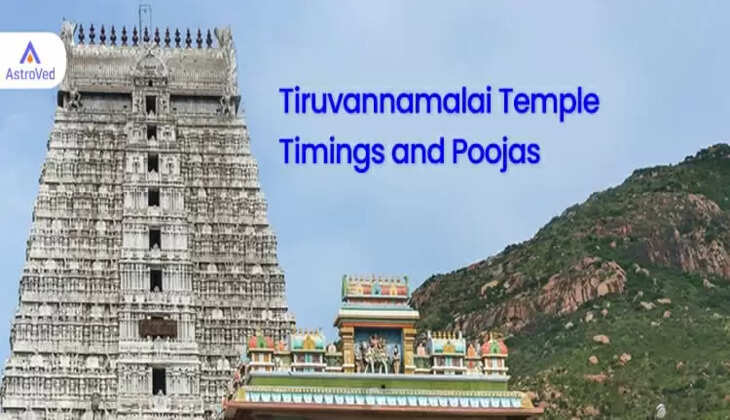
Thiruvannamalai, a town situated in the sacred foothills of Arunachala Hill in Tamil Nadu, is one of the major spiritual centers in South India. The temple Arunachaleswarar, which is the principal attraction of this town, is a Shiva temple that is ancient and has been worshipped due to its immense spiritual power, architectural brilliance, and age-old traditions. Lakhs of devotees, i.e., a huge number of them, visit this temple every year, especially during the Full Moon (Purnima) days, the grand Karthigai Deepam festival, and other occasions.
It is essential to understand the temple's daily routine, rituals, and special practices for a stress-free and significant visit.
Decoding Arunachaleswarar (Annamalaiyar) Temple

The Arunachaleswarar Temple is consecrated to Lord Shiva, and the worshippers here refer to him as Annamalaiyar, who, among the Pancha Bhootas, symbolizes the fire (Agni) element. Goddess Parvati is adored here as Unnamulai Amman. The temple spans about 25 acres of land and is dotted with splendid gopurams, extensive pillared halls, sacred tanks, numerous shrines, etc.
The image of the god is the self-manifested Lingam of Shiva, and Arunachala Hill is deemed a literal manifestation of Lord Shiva. The saints like Ramana Maharishi saw the Hill as the highest point of divine awareness.
Location of the Temple
Address:
Arunachaleswarar Temple,
Girivalam Road,
Thiruvannamalai,
Tamil Nadu – 606601, India
Timings of the Thiruvannamalai Temple & Daily Puja Schedule
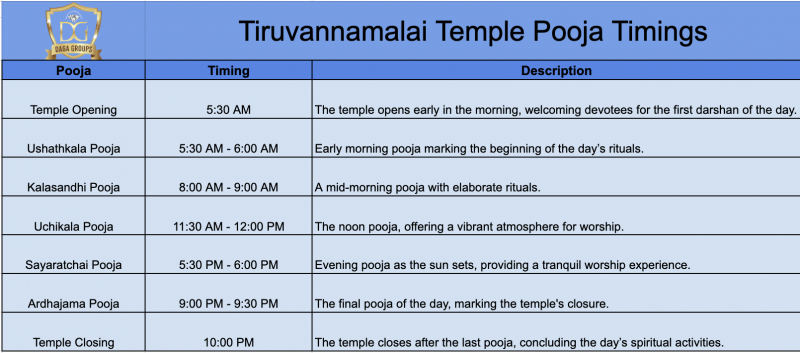
The temple performs daily rituals according to a strict schedule and is closed for a short period in the afternoon.
General Timings:
Morning Opening: 5:00 AM
Afternoon Break: 12:30 PM – 3:30 PM
Night Closing: 9:30 PM
Major Pujas:
Ushakala Pooja: 5:30 AM – 6:00 AM
Kalashanti Pooja: 8:00 AM – 9:00 AM
Uchikala Pooja: 11:30 AM – 12:00 PM
Sayaraksha Pooja: 5:30 PM – 6:30 PM
Irandam Kala Pooja: 7:30 PM – 8:00 PM
Arthajama Pooja: 9:00 PM – 9:30 PM
Best Time to Visit
If you are looking for a quieter and less crowded darshan, the early morning hours from 5:30 AM to 6:30 AM would be most recommended. The evening with the aarti has a very deep spiritual vibe with the chanting, the lamps, and the traditional music. The winter months of November to February present the best season with the most comfortable weather, so it is indeed the most excellent time to go for a darshan.
Darshan & Puja Ticket Details
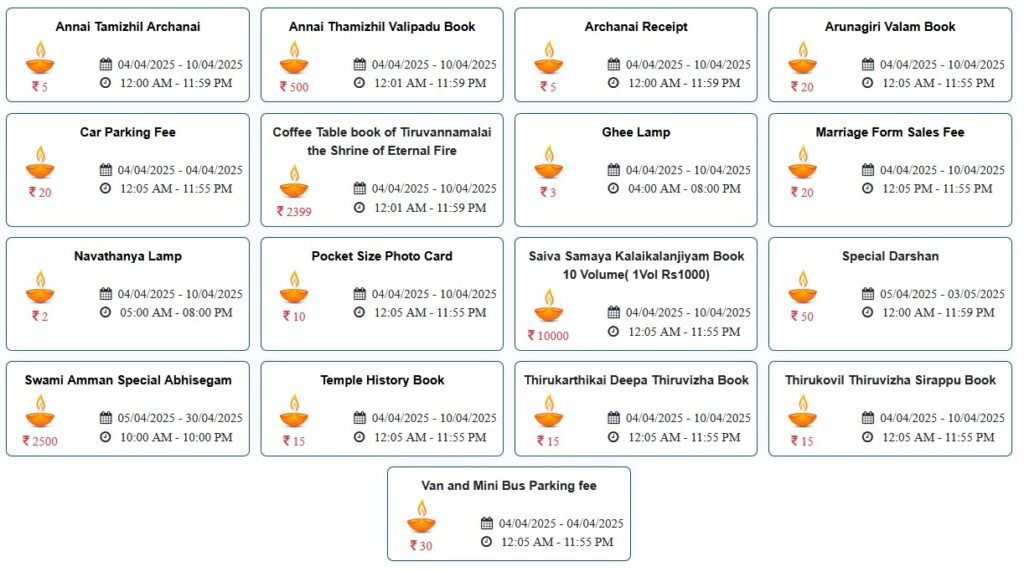
The general darshan is open for free for all the worshippers. The paid services consist of:
Special Darshan: ₹50 – ₹100
Abhishekam: From ₹250 onwards
Archana: ₹5 – ₹20
You can buy tickets at the counters that are situated inside the temple complex.
Girivalam (Giri Pradakshina) – A Sacred Walk
One of the major spiritual practices at this place is Girivalam, a circumambulation of the Arunachala hill of about 14 km on foot and bare feet. The duration is usually from 3 to 5 hours, and it is especially lucky to do it on full moon nights. The route is well-lit and has shrines, water points, and rest areas throughout.
Visitor Tips
Dress Modestly: The traditional clothes are the best.
Footwear: It is essential to take off your shoes before entering
Photography: Allowed only in some parts, but not inside the sanctum
Accommodation: Many options, such as ashrams, lodges, and hotels, are available nearby
How to Reach Thiruvannamalai
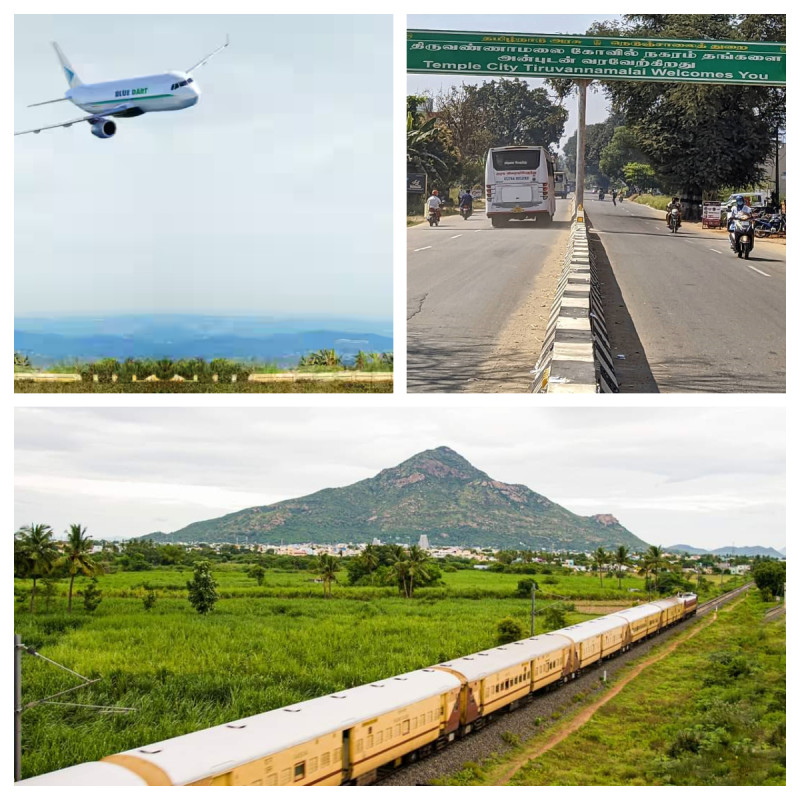
By Train: It has trains from Chennai, Villupuram, and Bengaluru that run frequently.
By Bus: Interstate buses from all major cities in South India are available on a regular basis
By Road: Approximately 4 hours from Chennai and 3.5 hours from Pondicherry
Final Thoughts
Going to the Arunachaleswarar Temple will not just be a religious tour but rather a prayerful and spiritual experience. Whether you are in search of God’s blessings, the waters of peace deep inside, or old wisdom, Thiruvannamalai is still the place for you to be, as the connection with Lord Shiva is never broken. Besides, knowing the temple timings and rituals will lead you to a rewarding and well-planned pilgrimage.