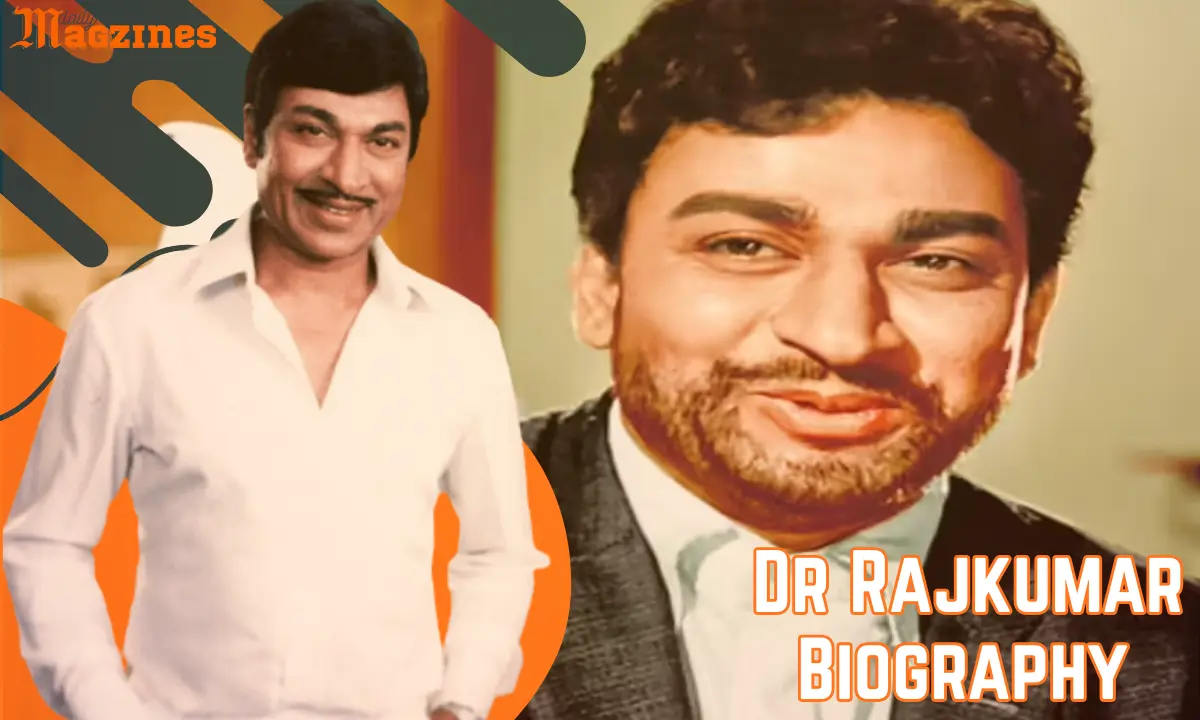

As one of the most esteemed individuals in Indian Cinema, Dr. Rajkumar has become a cultural icon of Karnataka. He was adored by multiple generations of fans, and he was a remarkable actor, singer, philanthropist, and exemplary model due to his humble nature and discipline. He continues to be a major influence on Kannada Cinema even years after his death, and inspires many actors, directors, and viewers throughout India.
Education

Dr. Rajkumar was born on April 24, 1929, in the village of Gajanur, located along the border of Karnataka and Tamil Nadu. He was born into a humble family with an Arts background; his father was an actor in the Theatre. Because of this, he was exposed to Theatre & Performance at an early age.
Dr. Rajkumar’s family travelled often for Theatre, which made it difficult for him to have a standard education. Therefore, he took advantage of all the learning opportunities available through being able to work on stage during live performances; as a result of this and learning how to deliver a performance in front of an audience and developing the necessary skills of discipline and emotional expression, he was well prepared to become one of the best Actors in Indian Cinema.
A Rising Star in Kannada Cinema
Through the support of director H. L. N. Simha, Rajkumar was given his first film opportunity with the film “Bedara Kannappa” in 1954. The film was a major success and catapulted him into a successful and prolific career in film.
Over the span of 50 years, he starred in over 200 films and became the symbol and face of Kannada Cinema. Audiences cherished the many ways he was able to portray various character types while remaining honest and reflective of that character. He was able to play every genre imaginable, including mythological, emotional family, action, and social.
Some of his most notable films include:
– Bangaarada Manushya
– Mayura
– Gandhada Gudi
– Kaviratna Kalidasa
– Jeevana Chaitra
– Shabdavedi
His films displayed a strong value system along with a sense of pride in being Kannada. By demonstrating these two elements in his work, Dr. Raj Kumar earned unconditional respect in every Kannada-speaking community across India.
Musical Ability and Cultural Significance
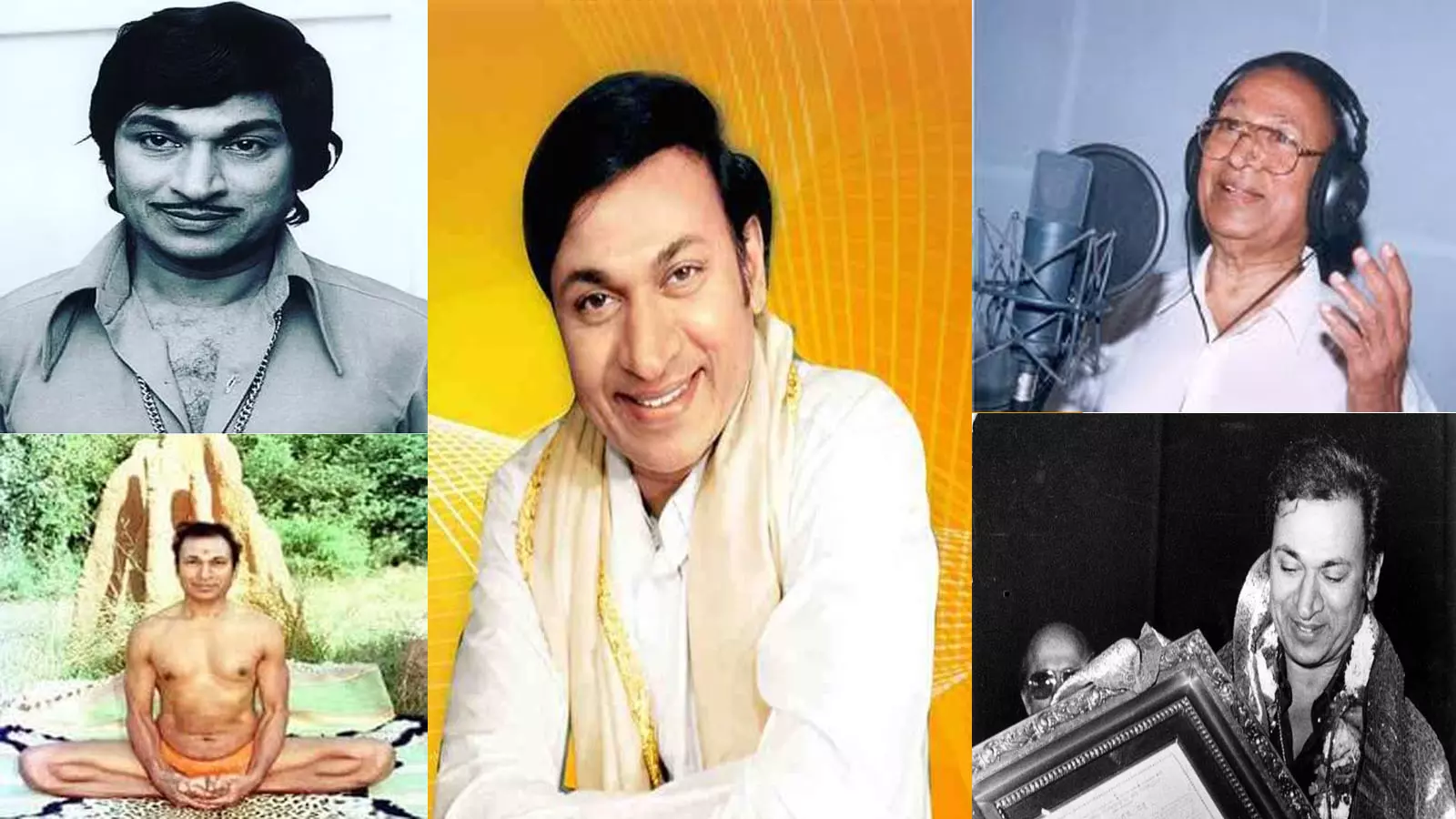
In addition to being a talented actor, Dr. Rajkumar was also a gifted singer. Many of his devotional and movie songs continue to be popular in the state of Karnataka. Songs such as Huttidare Kannada Nadalli, Huttabeku, and Naadamaya Ee Lokavella are well-known and respected even to this day.
His voice conveyed emotion and sincerity; therefore, those who listened to him often felt a personal connection with the songs he sang. He also won a National Film Award for his singing capabilities.
Dr. Rajkumar was instrumental in promoting the Kannada language and culture. He remained above controversy, acting in a dignified manner throughout his entire life compared to many other stars.
Family and Personal Life
Dr Rajkumar married Parvathamma Rajkumar in 1953. She later became one of the most influential producers in Kannada cinema. Together, they had five children, including actors Shiva Rajkumar, Raghavendra Rajkumar, and the late Puneeth Rajkumar.
Despite all the fame he had gained, Rajkumar was always disciplined and humble. Being a celebrity, Rajkumar always tried to avoid smoking and drinking in public and even in movies because he knew that as a celebrity, he must set a good example for people.
Awards, Legacy, and Last Days

During the course of his career, Dr Rajkumar was bestowed with many awards, such as the Dadasaheb Phalke Award, Padma Bhushan, Karnataka Ratna, and other National and Filmfare Awards.
The most shocking experience in the life of Dr Rajkumar was when forest brigand Veerappan kidnapped him for over 100 days from 2000. His safe return made the people of Karnataka happy and joyous.
Dr Rajkumar died on April 12, 2006, due to cardiac arrest. The whole of Karnataka was shocked with grief over the demise of their superstar.
Even today, Dr Rajkumar will be remembered not only as a superstar but also as a person of great humility and discipline.
About the Author