
India is a country that has had a very rich literary culture and tradition of storytelling. From the ancient scriptures to the modern novel, Indian literature has reached out to readers all over the world. In the recent past, Indian authors writing in English have seen success on the global stage for their strong narratives, emotional depth, and social issues they put forward. No matter if you are into historical fiction, family dramas, or very deep stories, we have in Indian literature for each reader is something that will leave them with an unforgettable experience.
Here is a list of the ten best-selling books in India, which still inspire readers, and for which we put forward our recommendation for your 2026 reading list:
1. The God of Small Things by Arundhati Roy
This novel, which won the award, tells the story of twins Estha and Rahel as they grow up in Kerala. In it, we see love, family dynamics, the issue of caste, and social expectations play out. Roy’s poetic pen and in-depth emotional portrayal make this novel a timeless great work in Indian literature.
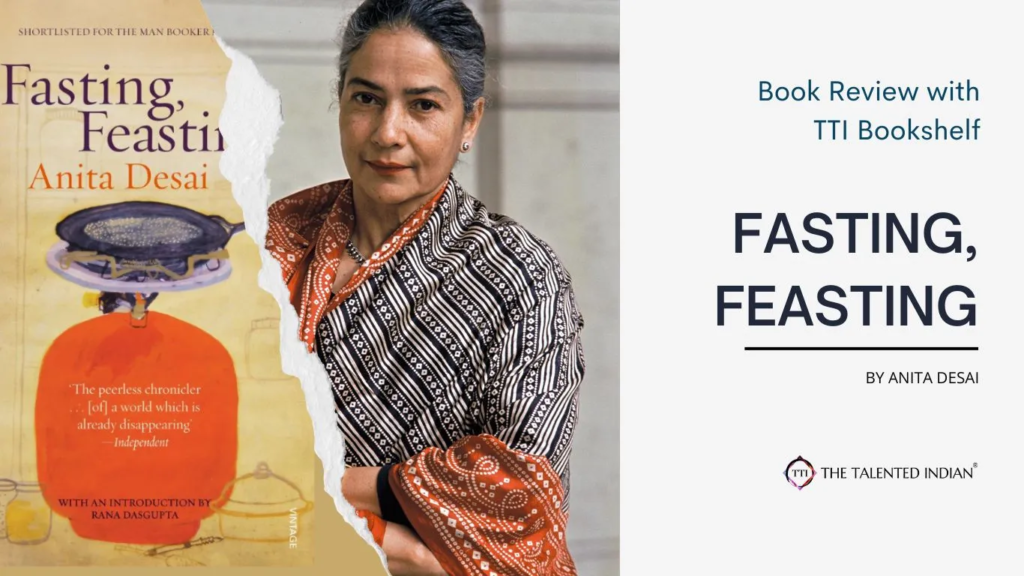
2. Fasting, Feasting by Anita Desai
Short at the Booker Prize, this novel tells the story of Uma, a woman caught in the traditional family structure. The issue of what is expected of women in very conventional Indian homes is put under the microscope, and we see the issues of sacrifice that daughters face. It is also a very delicate and real look at family and identity.
3. The Shadow Lines by Amitav Ghosh
This is a great work that puts forth history, memory, and imagination. Set against the background of important events like the Partition of India and World War II, the novel looks at how borders play out in human lives and relationships. Ghosh’s narrative invites us to think deeply about identity and belonging.
4. A Suitable Boy by Vikram Seth
One of the great length novels in the English language, A Suitable Boy, which tells the story of a mother’s search for a perfect groom for her daughter in post independence India. The novel, which puts forth politics, family values, religion, and romance in a transformable nation.
5. Midnight’s Children by Salman Rushdie
This classic novel charts the life of Saleem Sinai in the history of independent India. At the very hour of India’s freedom, Saleem is born, and we find out that he has a magical link with other contemporaries. History and fantasy are brilliantly mixed in this novel.
6. The Namesake by Jhumpa Lahiri
The Namesake looks at the issues of an Indian family that has moved to America. We see in it the cultural clashes, identity issues, and the emotional distance between parents and children. Lahiri’s style, which is at once simple and very powerful, is a style that makes the story very relatable and in-depth.
7. Train to Pakistan by Khushwant Singh
Set in the time of the Indian Partition of 1947, this novel presents the pain, the violence, and the fear that the common people went through. Instead of delving into political issues, the story puts forth human struggle and compassion in hard times. It is also one of the most important works of historical fiction in Indian literature.
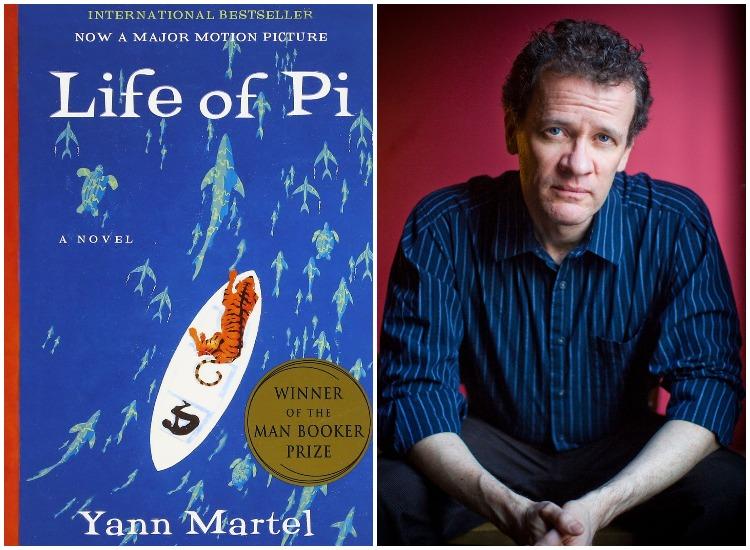
8. Life of Pi by Yann Martel
This young Indian boy, who is Pi, we are told, sets out on a very different adventure at sea after a ship goes down, which he is on, and which also brings down into the Pacific a Bengal tiger. The tale is a beautiful study of what it means to survive, to have faith, to hold on to hope, and the role that imagination plays in all of that.
9. The Inheritance of Loss by Kiran Desai
Winner of the Booker Prize, this novel looks at migration, cultural identity, and loneliness. It looks at the lives of people between Indian traditions and Western ways. Great emotional depth and social commentary make it a very memorable read.
10. The Immortals by Amit Chaudhuri
In the 1970s and 80s, which saw action in Bombay, this novel is of music, ambition, and transforming lifestyles. Through the stories of musicians and their families, we see the struggle between art, materialism, and very personal dreams.
Conclusion
Books are a great tool for education, inspiration, and also for bringing people together across generations. In 2026, we see that the best-selling Indian novels also do very well globally for their deep narratives, emotional content, and cultural value. No matter if you are a new reader or a dedicated one, these books are for you. Each novel presents a different point of view on life, society, relationships, and human feelings, which in turn make them must-read literary works.
About the Author