The ceiling is often called the fifth wall of a room, yet it is one of the most overlooked elements in home design. In modern Indian homes, homeowners are increasingly choosing between two distinct styles: false ceilings and open ceilings. While false ceilings create a polished, layered look, open ceilings embrace height, simplicity, and architectural character.
The choice between the two significantly impacts your lighting design. The right lighting can make a room feel larger, cosier, brighter, or more luxurious. Whether you are planning a new home or renovating an existing space, understanding how lighting works with different ceiling styles can help you create a beautiful and functional interior. Here are some practical lighting ideas for both false and open ceilings in Indian homes.
Difference Between False and Open Ceilings
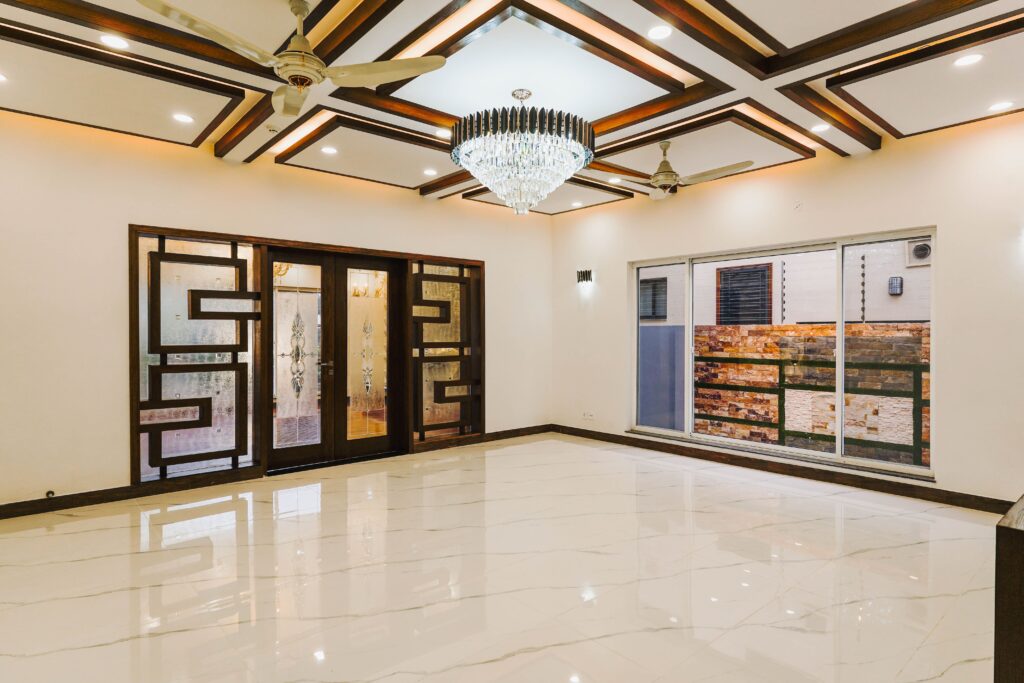
A false ceiling is a secondary ceiling installed below the main structural ceiling. It creates space for wiring, concealed lighting, and air-conditioning ducts while adding visual appeal.
An open ceiling leaves the original structure exposed, showcasing beams, pipes, or the actual roof height. This style is commonly seen in contemporary, industrial, and minimalist homes. Each design requires a different lighting approach to achieve the best results.
Lighting Ideas for Homes with False Ceilings
False ceilings offer tremendous flexibility when it comes to lighting design. Since electrical wiring remains hidden, homeowners can experiment with multiple lighting layers.
Create Ambient Glow with Cove Lighting
One of the biggest advantages of a false ceiling is the ability to conceal light sources. Installing LED strip lights inside cove sections creates a soft, indirect glow that spreads evenly across the room.
This type of lighting works particularly well in living rooms, bedrooms, and entertainment spaces where a warm and inviting atmosphere is desired. It also reduces harsh shadows and creates a premium look.
Use Recessed Fixtures for a Clean Appearance
A strategically placed false ceiling light can provide uniform illumination without cluttering the ceiling. Recessed fixtures blend seamlessly into the design and help maintain a modern aesthetic.
These lights are ideal for:
- Living rooms
- Dining areas
- Bedrooms
- Hallways
- Home offices
Spacing the fixtures correctly ensures balanced brightness throughout the room.
Layer Different Light Sources
False ceilings allow homeowners to combine multiple lighting layers in a single space.
For example:
- Ambient lighting for overall illumination
- Task lighting for reading or working
- Accent lighting to highlight décor elements
Combining LED ceiling lights with concealed lighting can create depth and visual interest while making rooms feel more spacious.
Lighting Ideas for Homes with Open Ceilings
Open ceilings require a different strategy because there is less opportunity to hide fixtures and wiring. Instead, lighting becomes a visible design element.
Make Fixtures Part of the Design
In homes with open ceilings, lighting fixtures often become focal points. Pendant lights, suspended fixtures, and statement luminaires can enhance the architectural character of the space.
The extra ceiling height allows fixtures to hang comfortably without overwhelming the room.
Highlight Architectural Features
Open ceilings often feature exposed beams, textured surfaces, or unique structural details. Lighting can be used to emphasise these elements.
Directional fixtures and carefully positioned LED ceiling lights can draw attention to ceiling features while adding depth and dimension to the room.
Focus on Layered Illumination
Although open ceilings may not support concealed lighting, layered illumination remains important.
Consider combining:
- Ceiling-mounted lights
- Wall lighting
- Floor lamps
- Accent fixtures
This approach ensures adequate brightness while maintaining visual balance throughout the space.
Choosing the Right Lighting for Different Rooms
Different rooms have different lighting requirements regardless of ceiling style.
Living Room
For false ceilings, combine a central false ceiling light with LED strip lights around the perimeter. For open ceilings, use statement ceiling fixtures along with accent lighting to create a welcoming atmosphere.
Bedroom
Bedrooms benefit from soft and relaxing illumination. False ceilings can incorporate hidden LED strip lights behind cove designs, while open ceilings work well with warm pendant lights and bedside lighting.
Kitchen
Task-oriented lighting is essential in kitchens. False ceilings can accommodate recessed LED ceiling lights for even illumination. Open-ceiling kitchens can use suspended fixtures over islands or dining counters while maintaining bright general lighting.
Dining Area
Lighting should enhance the dining experience without being overly bright. Both ceiling styles can benefit from decorative fixtures positioned above the dining table, supported by ambient lighting around the room.
Factors to Consider Before Making Your Choice
The decision between a false ceiling and an open ceiling should depend on several practical factors.
- Ceiling Height: False ceilings reduce the available ceiling height. Homes with lower ceilings may feel cramped if the design is too elaborate. Open ceilings help create a sense of openness and are particularly effective in compact spaces.
- Maintenance Requirements: False ceilings conceal wiring and fixtures, but repairs may require accessing hidden sections. Open ceilings offer easier access for maintenance but may require more attention to visible wiring and fixtures.
- Budget: A false ceiling involves additional construction costs but offers greater lighting flexibility. Open ceilings generally require less structural work, though premium decorative fixtures can increase the lighting budget.
- Desired Interior Style: False ceilings complement modern, luxurious, and contemporary interiors. Open ceilings work beautifully in industrial, minimalist, rustic, and modern architectural styles.
Creating the Perfect Balance Between Design and Function
The best lighting design is not determined solely by the type of ceiling. Instead, it depends on how effectively lighting supports daily activities while enhancing the home’s overall appearance.
Whether you choose a false ceiling or an open ceiling, focus on creating a layered lighting scheme that includes ambient, task, and accent lighting. This ensures comfort, functionality, and visual appeal throughout your home.
Brightening Your Home with the Right Ceiling Choice
Both false ceilings and open ceilings offer unique advantages for Indian homes. False ceilings provide flexibility for concealed lighting, elegant cove effects, and integrated fixtures. Open ceilings celebrate architectural character, create a sense of spaciousness, and allow lighting fixtures to become design statements.
By carefully selecting false ceiling light solutions, incorporating led ceiling lights, and using led strip lights where appropriate, homeowners can create interiors that are stylish, functional, and perfectly suited to their lifestyle. The right combination of ceiling design and lighting can transform any room into a space that feels comfortable, inviting, and beautifully illuminated.
About the Author