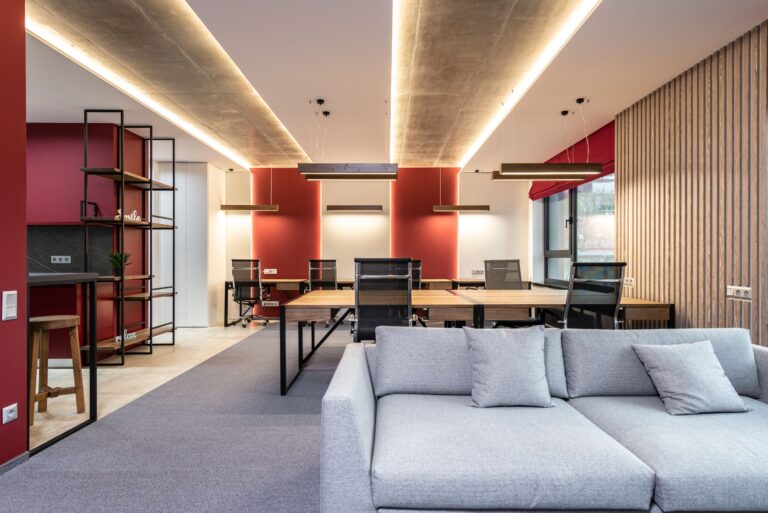
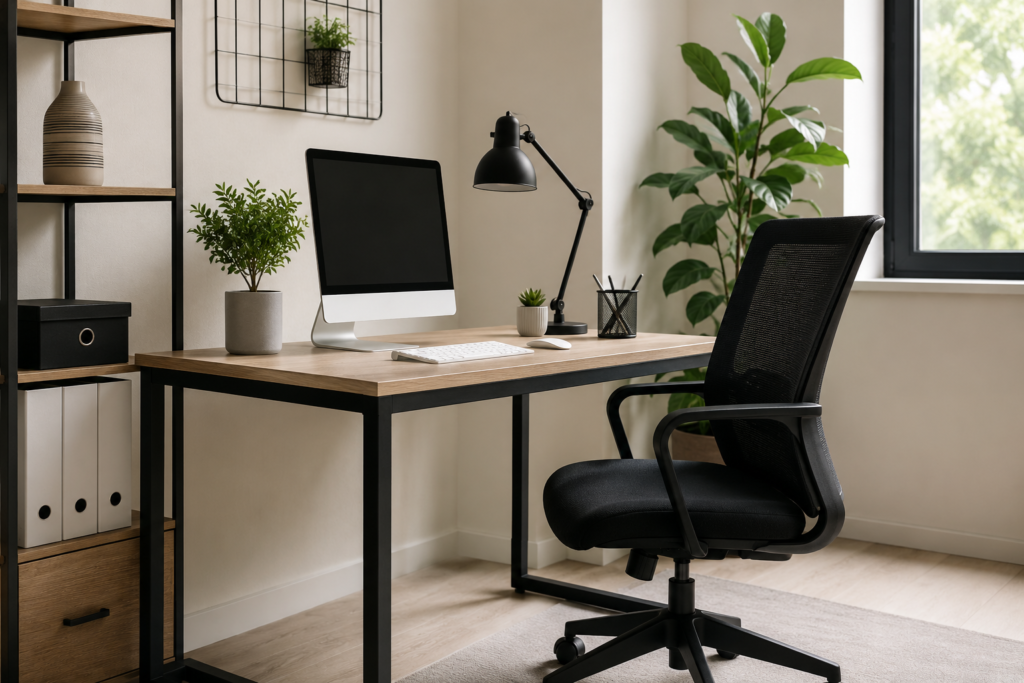
Modern workplaces increasingly operate within compact office layouts where every furniture decision affects both functionality and efficiency. An office table is no longer viewed as just a work surface but as an important element that supports productivity, organization, and the overall appearance of a workspace. In smaller offices, selecting the right desk involves balancing design, dimensions, practical features, and material performance to ensure it continues to withstand everyday use.
Understanding Office Tables for Compact Workspaces
A well-designed office table helps maximize limited space while supporting everyday work requirements. It should provide adequate room for essential equipment without making the workspace feel crowded. Along with thoughtful design, durable materials and sturdy construction ensure the table maintains its functionality and appearance despite regular daily use.
Office Table Designs That Work Best in Small Spaces
Office table designdirectly influences how efficiently a compact workspace functions. Different layouts address different space constraints while maintaining comfort and usability. Selecting the appropriate design helps maximize available space without compromising productivity.
Straight Office Tables
Straight office tables remain one of the most practical layouts for compact offices. Their simple linear form allows them to be positioned against walls, maximizing usable floor space while providing sufficient room for laptops, monitors, and everyday office essentials.
Corner Office Tables
Corner office tables utilize underused corners to create larger work surfaces without occupying additional floor space. They are particularly suitable for professionals working with multiple monitors, documents, or accessories that require extra tabletop area.
Wall-Mounted Office Tables
Wall-mounted office tables help create a clean and uncluttered environment by freeing valuable floor space. Their minimalist design works particularly well in compact offices where maintaining visual openness is a priority.
Foldable Office Tables
Foldable office tables provide flexibility for offices that serve multiple purposes. They can be stored when not in use, making them a practical solution for spaces that need to adapt throughout the day.
Office Tables with Built-In Storage
Integrated drawers and shelves combine storage with workspace, reducing the need for additional furniture. This helps maintain an organised office while maximising the available area.
The most suitable office table design depends on available space, workflow, and interior style. For example, advanced surfaces from brands such as Neotra Advanced Surfaces are available in concrete-look slabs such as Opera Mist, allowing different office table designs to combine modern aesthetics with long-term durability.
Selecting the Right Size for a Compact Workspace
Office table dimensions play a major role in determining how efficiently a workspace functions. A desk that is too large can overwhelm a compact office, while one that is too small may restrict everyday activities. Selecting appropriate dimensions helps maintain both comfort and productivity.
- Available floor space: The desk should allow comfortable movement while maintaining adequate clearance for seating and circulation.
- Workspace requirements: Desk width should accommodate the equipment used daily, whether a laptop, desktop computer, or multiple monitors.
- Tabletop depth: Sufficient depth improves monitor viewing distance while providing space for keyboards, notebooks, and office accessories.
- Future flexibility: Choosing dimensions that accommodate future workspace requirements can reduce the need for replacement as office needs evolve.
Selecting the appropriate size establishes the foundation for a functional workspace. Practical features further improve usability during everyday operations.
Features That Improve Everyday Functionality
Modern office tables are expected to support productivity beyond providing a flat work surface. Functional features improve organisation, simplify maintenance, and contribute to long-term usability.
- Built-in storage: Keeps documents, stationery, and accessories organised without the need for additional cabinets.
- Cable management: Organises wires for a cleaner, more efficient workspace.
- Stable construction: Provides reliable support for computers, monitors, and office equipment.
- Easy-to-maintain surfaces: Simplify routine cleaning while preserving the desk’s appearance.
- Ergonomic height: Supports a comfortable posture during extended working hours.
Practical functionality is complemented by thoughtful colour and finish selection, both of which influence the overall appearance of a compact office.
Choosing Colours and Finishes for Compact Workspaces
Colour and surface finish contribute significantly to the visual perception of space. The right combination can make a compact office appear brighter, more organised, and professionally designed while complementing surrounding interiors.
- Light-coloured finishes: Reflect natural light and help create a more spacious appearance.
- Dark finishes: Add depth and sophistication when balanced with adequate lighting.
- Mineral-inspired finishes: Introduce texture and visual character while maintaining a contemporary aesthetic.
- Matte finishes: Reduce glare and minimise the visibility of fingerprints during everyday use.
- Coordinated finishes: Create visual continuity by complementing flooring, storage units, and wall colours.
While finishes define appearance, the tabletop material ultimately determines how well an office table performs throughout years of everyday use.
Choosing a Tabletop Material for Long-Term Durability
The tabletop experiences the most daily wear. Continuous contact with laptops, office equipment, stationery, beverages, and regular cleaning gradually affects both appearance and performance. Selecting the appropriate tabletop material is therefore essential for ensuring long-term durability.
Engineered Wood
Engineered wood offers consistent finishes and good everyday performance but may be affected by prolonged exposure to moisture.
Solid Wood
Solid wood combines natural character with structural strength, making it suitable for traditional and executive office interiors. However, maintaining its appearance often requires periodic treatment to protect against scratches, moisture, and surface wear.
Laminate
Laminate surfaces provide an affordable solution available in numerous colours and patterns. They are easy to maintain but may become susceptible to edge damage or peeling after prolonged use.
Glass
Glass tabletops contribute to contemporary office interiors through their clean appearance and reflective finish. Although moisture-resistant, they require frequent cleaning to manage fingerprints and other visible surface marks.
Sintered Surfaces
Sintered surfaces are manufactured using advanced processes involving high heat and pressure to create dense, non-porous engineered surfaces. They offer exceptional durability while being available in finishes inspired by premium organic textures, quarried marble, concrete, and wood, making them suitable for contemporary office environments.
Conclusion
Office tables have become an essential component of efficient workspace planning, particularly within compact office environments where every square foot matters. Selecting the appropriate design, dimensions, functional features, and tabletop material contributes to improved organisation, durability, and long-term usability. As modern workplaces continue to prioritise space efficiency and lasting performance, durable engineered surface materials are expected to play an increasingly important role in office furniture design.
About the Author