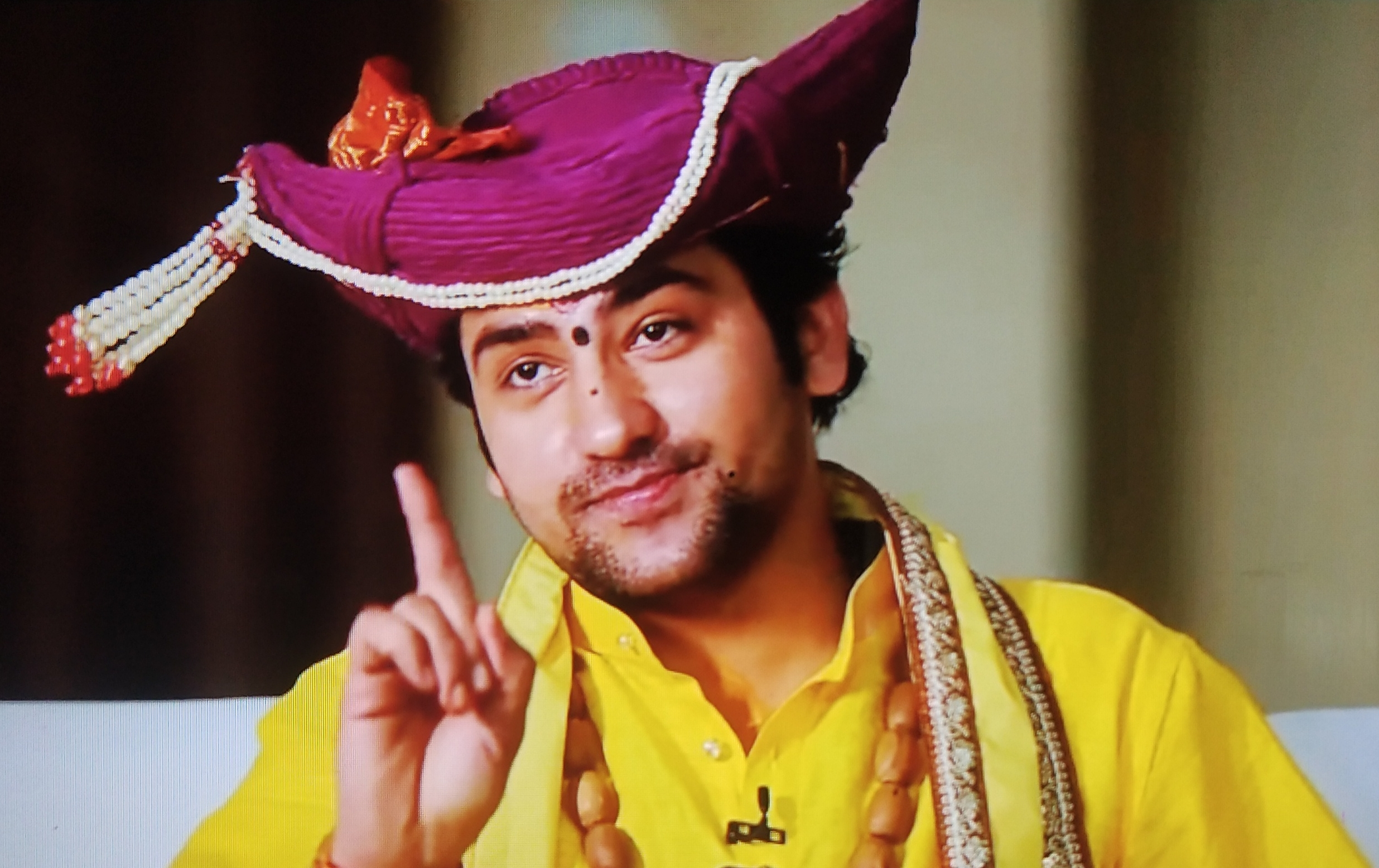

Dhirendra Krishna Shastri, Age 30 — His Life, Family and the Controversies Nobody Forgets
You’ve probably seen his videos even if you don’t follow spiritual content — a young man in saffron robes, sitting on a stage, telling a stranger from the crowd exactly what’s troubling them before they’ve said a word. That’s Dhirendra Krishna Shastri, better known across India as Bageshwar Dham Sarkar or Bageshwar Baba. He’s turned 30 this year, and honestly, his rise from a one-room house in a Madhya Pradesh village to national TV debates is one of the stranger success stories in modern Indian spirituality.
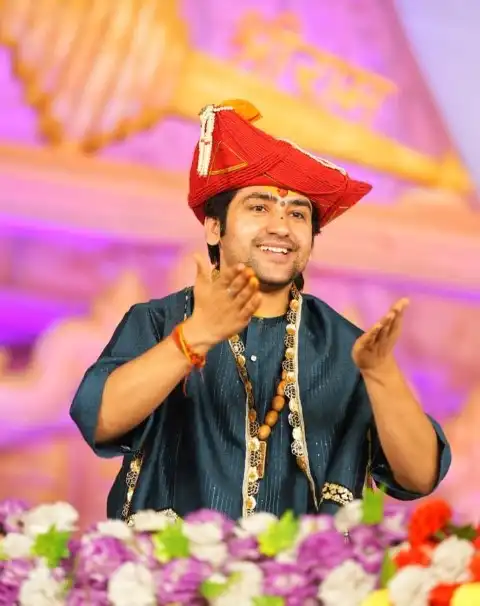
Where he comes from
He was born in July 1996 in Gadha, a small village in Chhatarpur district. Not a comfortable start — the family lived in a single-room kaccha house for years, and he’d walk a few kilometres to school every day. Schooling stopped at class 12; there was no college, no formal degree. Instead, he grew up watching his father and grandfather work as kathavachaks, going from village to village narrating religious stories, and that’s basically the trade he inherited.
How Bageshwar Dham actually started
The temple wasn’t built overnight. It began as a small Shiva shrine on a hill that his grandfather looked after, and over the years a Hanuman temple was added nearby. Dhirendra started tagging along to religious events at age nine, trained under a couple of spiritual gurus afterward, and gave his first full Bhagwat Katha in 2009. Things stayed fairly local until television channels picked up his sermons, and then a YouTube channel started in 2019 pushed his name well beyond Madhya Pradesh — millions of subscribers now.
The personal stuff people search for
He’s about 5’7″, black hair, black eyes, and still unmarried. There’s been persistent chatter linking him to Jaya Kishori, another well-known katha speaker, but that’s stayed firmly in rumour territory — nobody involved has ever confirmed anything close to a relationship.
Family, and a very public falling out
His father Ram Karpal Garg and his late grandfather were both kathavachaks, and his mother worked selling milk before things changed for the family financially. What’s been harder to ignore lately is his brother Shaligram, who went viral in late 2024 with a video apologising and saying he’d cut ties with Dhirendra and the rest of the family entirely — the kind of family drama that doesn’t usually spill into public view like this.
The controversies, because there are plenty
This is where things get messy. As Bageshwar Dham’s fame pushed up local land prices, Dhirendra and people around him were accused of grabbing village land, including a crematorium and community property, sometimes reportedly by pressuring residents to leave. A viral clip from 2022 showed him telling a devotee not to touch his feet because “we are untouchable,” which set off an #ArrestDhirendraShastri trend before his team called it a misleadingly edited clip. He’s also pushed “ghar wapsi” reconversion drives, told followers to boycott certain films and actors, and made comments targeting Muslims and Christians that plenty of people found openly discriminatory. In 2023, an anti-superstition activist in Maharashtra legally challenged him to prove his so-called powers for a cash reward — Dhirendra accepted, the event never really settled anything conclusively, and he later said he doesn’t claim supernatural powers, just that he acts on guidance from Hanuman. Then there was Bihar in 2023, where a remark about lighting the “fire of Hindu Rashtra” from the state got him publicly rebuked by the then-CM.
Money and where things stand now
Older estimates put his monthly earnings somewhere around a few lakh rupees, mostly from events and donations, but nothing recent or verified is publicly available. None of the controversy seems to have slowed him down much — the crowds keep coming, the “divine court” sessions keep running, and he remains one of those figures Indians either fiercely defend or can’t stand, with very little middle ground.
About the Author