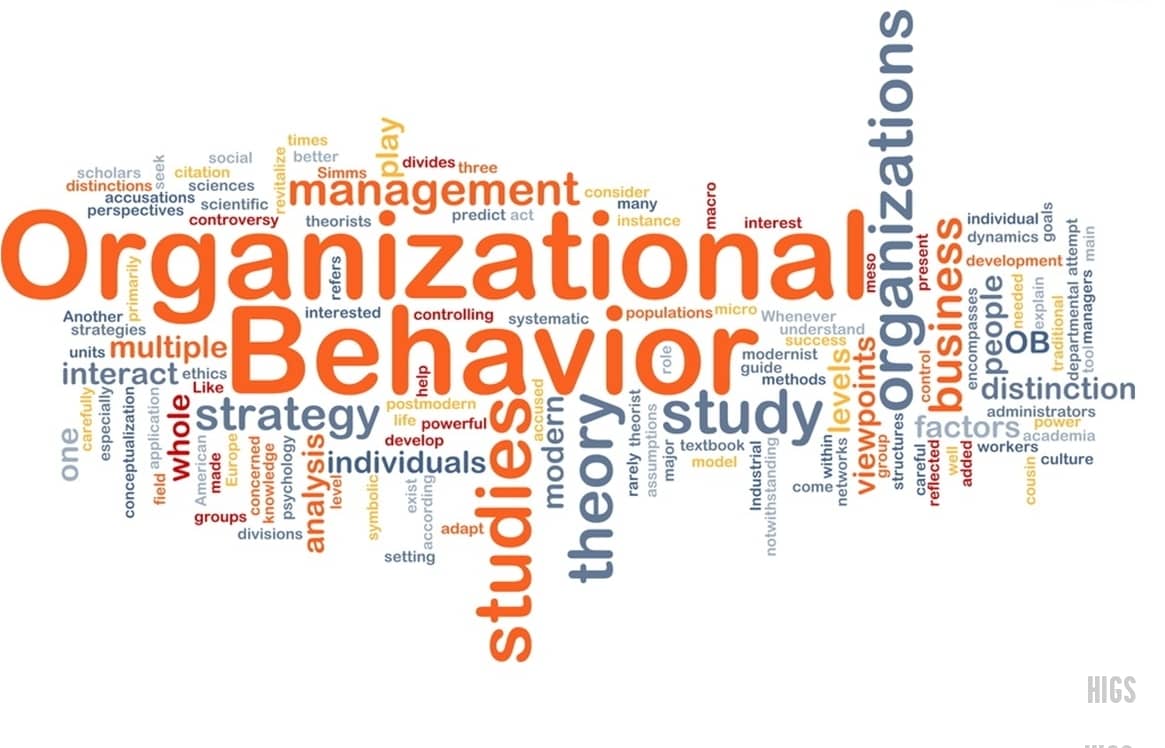

Organizational Behaviour, often abbreviated as OB, is the study of how individuals and groups behave within an organization. It examines the ways employees interact with one another, respond to leadership, make decisions, communicate, and contribute to organizational goals.
In 2026, understanding Organizational Behaviour has become increasingly important as workplaces continue to change through remote and hybrid working, artificial intelligence, diverse teams, flexible work arrangements, and evolving employee expectations.
Also read: Top 10 Best Bollywood Movies of 2004
What Is Organizational Behaviour?
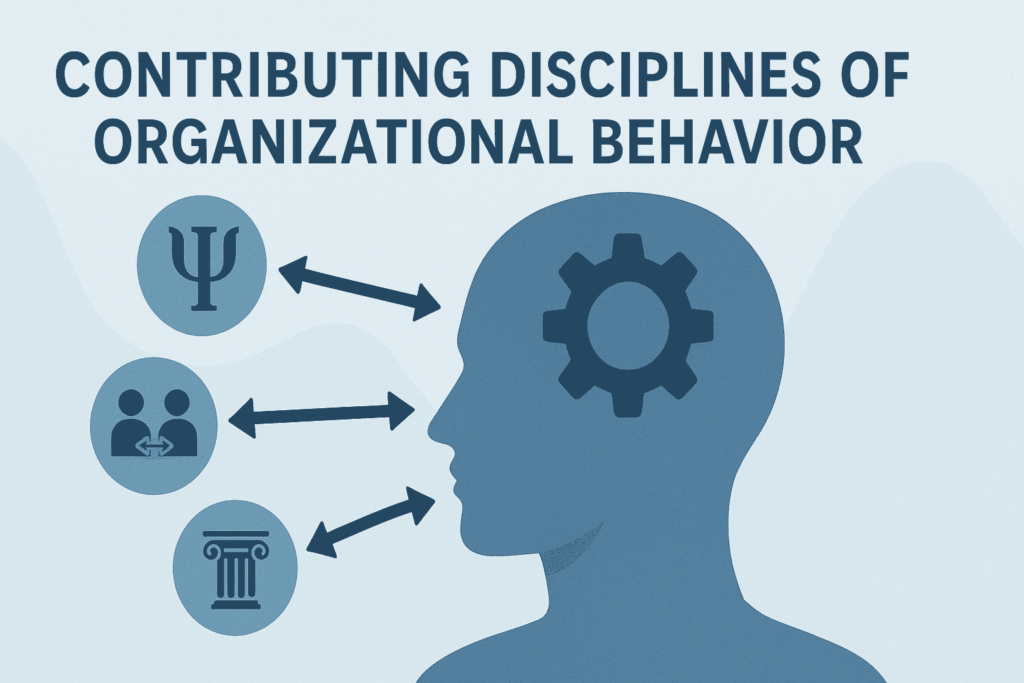
Organizational Behaviour is a field that examines human behaviour in the workplace. It combines concepts from psychology, sociology, management, communication, and related disciplines to understand how people behave individually and collectively within organizations.
The study of Organizational Behaviour helps businesses understand questions such as:
- What motivates employees?
- How do people respond to different leadership styles?
- How can teamwork be improved?
- Why do conflicts occur in organizations?
- How does workplace culture influence employees?
- How can organizations improve employee engagement and performance?
- How do organizational changes affect employees?
Importance of Organizational Behaviour
Organizational Behaviour is important because people are a central part of every organization. Understanding workplace behaviour can help organizations create more effective working environments and improve collaboration.
Some major areas where Organizational Behaviour can be useful include:
1. Improving Employee Performance
Understanding employee motivation, communication, and working conditions can help organizations create systems that support better performance.
2. Developing Effective Leadership
Organizational Behaviour provides insights into different leadership approaches and how leaders can communicate effectively with their teams.
3. Enhancing Teamwork
Employees often work in teams with people from different backgrounds and professional disciplines. Understanding group behaviour can help improve cooperation and coordination.
4. Managing Workplace Conflicts
Differences in opinions, goals, communication styles, and responsibilities can lead to workplace conflicts. OB concepts can help managers understand the causes of conflict and develop appropriate approaches for addressing them.
5. Building a Positive Workplace Culture
Organizational culture influences how employees communicate, collaborate, make decisions, and respond to organizational policies.
6. Supporting Organizational Change
Organizations frequently introduce new technologies, processes, structures, and working arrangements. Understanding employee responses to change can help organizations manage transitions more effectively.
Levels of Organizational Behaviour
Organizational Behaviour is commonly studied at three major levels.
Individual Level
This level focuses on individual employees and their behaviour.
Important topics include:
- Personality
- Perception
- Attitudes
- Motivation
- Learning
- Job satisfaction
- Decision-making
- Emotional responses
Group Level
The group level examines how employees behave when they work together.
It includes:
- Teamwork
- Group dynamics
- Communication
- Leadership
- Power
- Conflict
- Collaboration
- Decision-making within groups
Organizational Level
This level focuses on the organization as a whole.
Topics include:
- Organizational culture
- Organizational structure
- Change management
- Workplace policies
- Organizational development
- Communication systems
- Employee relations
Major Components of Organizational Behaviour
Motivation
Employee motivation refers to the factors that encourage people to perform tasks and work toward particular goals. Organizations may use recognition, career development, compensation, meaningful work, autonomy, and learning opportunities to support employee motivation.
Leadership
Leadership involves influencing and guiding individuals or teams toward organizational objectives. Different leadership styles may be appropriate in different situations.
Communication
Effective communication helps employees understand responsibilities, share information, provide feedback, and coordinate their work.
Organizational Culture
Organizational culture refers to shared values, beliefs, expectations, practices, and behavioural norms within an organization.
Job Satisfaction
Job satisfaction describes how employees perceive and feel about their jobs. Factors such as working conditions, relationships, responsibilities, recognition, compensation, and career development can influence job satisfaction.
Teamwork
Modern organizations often depend on collaboration between employees with different skills and backgrounds. Understanding team behaviour can help improve coordination and productivity.
Organizational Behaviour in the Age of AI
Artificial intelligence is changing how many organizations operate. Employees may now work alongside AI-powered tools for tasks such as data analysis, content creation, customer support, software development, recruitment, and decision support.
This creates new Organizational Behaviour considerations, including:
- Employee adaptation to AI
- Reskilling and upskilling
- Trust in AI-based systems
- Human-AI collaboration
- Changes in job roles
- Concerns about job security
- Ethical decision-making
- Managing technological change
Organizations therefore need to consider not only the technological aspects of AI adoption but also how employees respond to these changes.
Organizational Behaviour and Remote Work
Remote and hybrid work have also influenced workplace behaviour.
Employees working across different locations may face challenges related to communication, collaboration, team connection, and maintaining boundaries between work and personal time.
Organizations can address these challenges through clear communication practices, appropriate digital tools, defined responsibilities, regular team interactions, and effective management practices.
Skills Related to Organizational Behaviour
Students and professionals studying Organizational Behaviour can develop skills such as:
- Communication
- Leadership
- Team management
- Problem-solving
- Conflict management
- Critical thinking
- Decision-making
- Negotiation
- Emotional awareness
- Adaptability
These skills can be useful across management, human resources, consulting, business administration, and other professional fields.
Career Opportunities Related to Organizational Behaviour
Knowledge of Organizational Behaviour can be useful for careers such as:
- Human Resources Manager
- HR Business Partner
- Talent Acquisition Specialist
- Learning and Development Manager
- Organizational Development Consultant
- Management Consultant
- Employee Relations Specialist
- People Analytics Professional
- Training and Development Specialist
- Business Manager
Professionals with qualifications in management, human resources, psychology, organizational development, or related fields may find Organizational Behaviour particularly relevant.
Organizational Behaviour vs Human Resource Management
Organizational Behaviour and Human Resource Management are closely related but have different focuses.
Organizational Behaviour primarily examines how individuals and groups behave within organizations and why particular workplace behaviours occur.
Human Resource Management focuses more directly on managing employees through activities such as recruitment, compensation, training, performance management, employee relations, and workforce planning.
Understanding Organizational Behaviour can therefore complement the practical functions of Human Resource Management.
Why Organizational Behaviour Matters in 2026
The modern workplace is becoming more technology-driven, flexible, diverse, and collaborative. Employees may work with colleagues across different locations, cultures, and time zones while also using AI and other digital technologies.
As a result, understanding human behaviour remains important for organizations seeking to improve communication, teamwork, employee experience, leadership, and adaptation to change.
Conclusion
Organizational Behaviour provides a framework for understanding how people behave individually and collectively within workplaces. It covers areas such as motivation, leadership, communication, teamwork, organizational culture, conflict management, and change.
In 2026, the increasing use of artificial intelligence, hybrid work, digital collaboration, and changing employee expectations makes an understanding of workplace behaviour particularly relevant. Whether someone is pursuing a career in management, human resources, consulting, or organizational development, knowledge of Organizational Behaviour can provide valuable insights into how people and organizations function.
Also check : https://amzn.to/4wpxv1h
About the Author