
Hinduism has a deep philosophical and spiritual heritage, as is seen in the Vedas, Upanishads, epics, Puranas and other sacred texts. Through the ages, many of the Sanskrit sayings and statements have put forth concepts of truth, dharma, spirituality, nonviolence, devotion and the nature of existence.
In the Hindu tradition, there is a set of Twelve Great Sayings which is used to refer to a group of ten8te which have been taken from various Hindu texts and traditions. These sayings are put forth for philosophical study and also find use in prayer, contemplation and in daily conversation.
- That which is One, sages name in many names.
In the Rig Veda is presented this idea that which is Truth is the same for all, yet we express it in many ways. It puts forth that the ultimate reality is seen in many forms through which the wise put forward their interpretations of it.
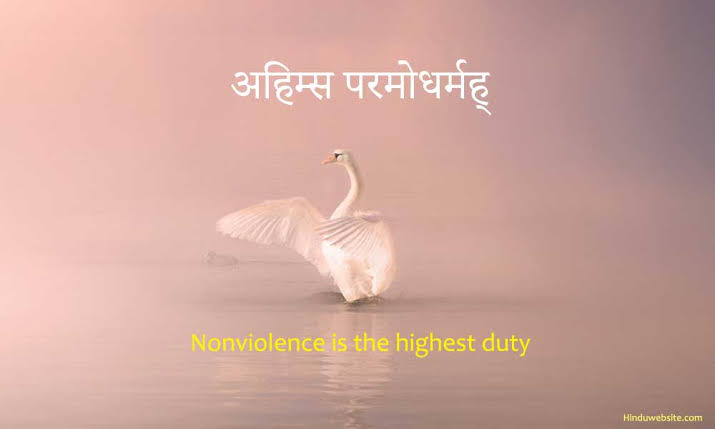
2. Non-violence is the highest law.
This familiar quote from the Mahabharata puts forth that nonviolence is the highest dharma or virtue. Ahimsa is a key ethical precept in Hindu traditions and also plays a large role in other Indian religious traditions.
3. Truth alone triumphs.
In the words of the Mundaka Upanishad, which puts forth that “Truth alone triumphs”. Also, this is what India’s national motto is and may be seen in the Lion Capital of Ashoka, which forms the base for our State Emblem. In its original spiritual sense, the quote talks about the attainment of the Self and liberation.
4. Mother is God.
In the Taittiriya Upanishad, it is said that you should treat your mother like a goddess. Also a part of a larger set of precepts which include respect for parents, teachers and guests.
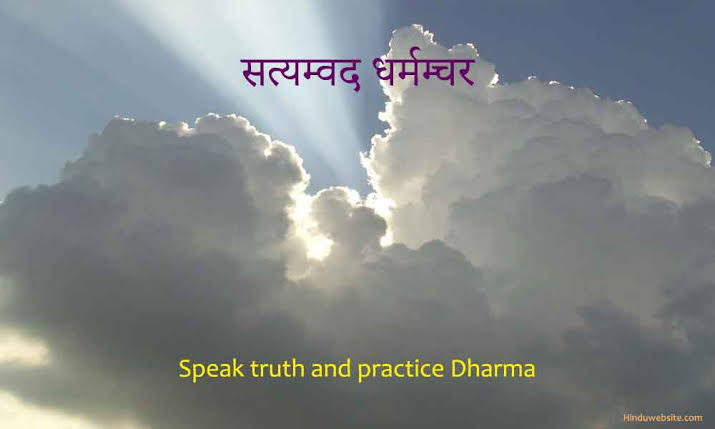
5. Speak the truth, practice dharma.
Also, which is associated with the Taittiriya Upanishad, this teaching puts forth that you should speak the truth and practice dharma. It brings to the fore the importance of truthfulness and right action in ethical living.
6. Dharma protects those who practice it.
This quote is from the Manusmriti, which we present as “Dharma protects those who protect it”. The saying puts forth the value of performing one’s duty and upholding what is right.
7. Guru is the embodiment of Parabrahma.
In the Skanda Purana, there is this saying which puts forth the preeminent role of the guru in the Hindu spiritual tradition. It also presents the guru in relationship to Brahman and the divine, which in turn puts forward the value of spiritual teaching and guidance.
8. Is everything in this universe.
At the beginning of the Isha Upanishad, we find this great declaration which puts forth that all in the world is filled and run by the Supreme Lord. It puts forth a view of the world in which the divine is not separate from it.
9. Did not happen, will not happen.
Also, which is to say, out of time past and time to come, this phrase is used for that which is unique or without equal through time. In religious settings, it refers to the incomparable nature of the Supreme Being or divine manifestations.
10. I am that which is Brahman.
One of the most recognised Mahavakyas, this statement is from the Brihadaranyaka Upanishad. We say I am Brahman. In Advaita Vedanta, it puts forth the identity of the deepest Self with the ultimate reality, Brahman.
11. I see that.
Nathicharami is a component of what is said in a traditional Hindu wedding. In that which it does, it puts forth a promise to stay together and share in each other’s responsibilities as they pursue the doings of daily life, which include dharma, prosperity and personal growth.
12. Aum Peace, Peace, Peace.
In our practice of Hinduism, we use this, which is a familiar peace invocation. Shanti, which is peace, is what the word means, and we tradition of repeating it three times, which in turn is a plea for peace at all levels of our being. Also, we put the sacred syllable Aum before the invocation, which is our way of putting forward the all-inclusive sacred reality.
In what way do these sayings matter in 2026?
These sayings also put forth, in very basic terms, what at large is discussed in Hindu thought, which includes truth, dharma, compassion, respect, spiritual knowledge and inner peace. Although in their meaning they may be interpreted in many ways by different schools of Hindu philosophy and tradition, they are still to this day used as a tool to put into words the concepts which have shaped Hindu religion and culture for aeons.
In 2026, these will also present our teachings as pithy reflections on ethics and spiritual inquiry. Instead of just what is to be memorised, each of these sayings points to a larger philosophical system which in turn invites in to the study of the Hindu texts from which they come.
About the Author