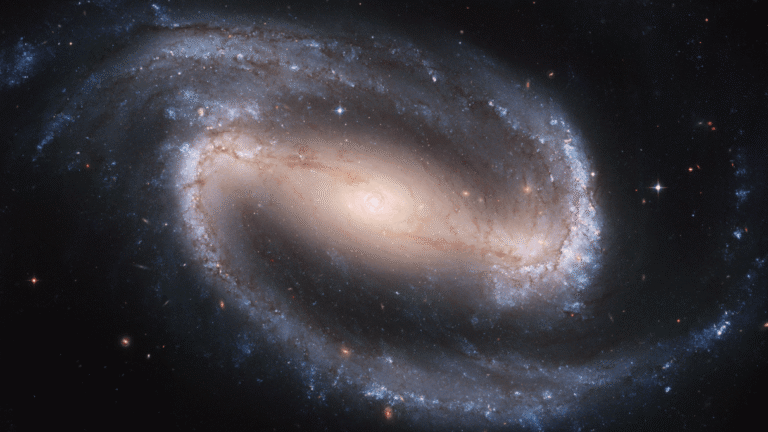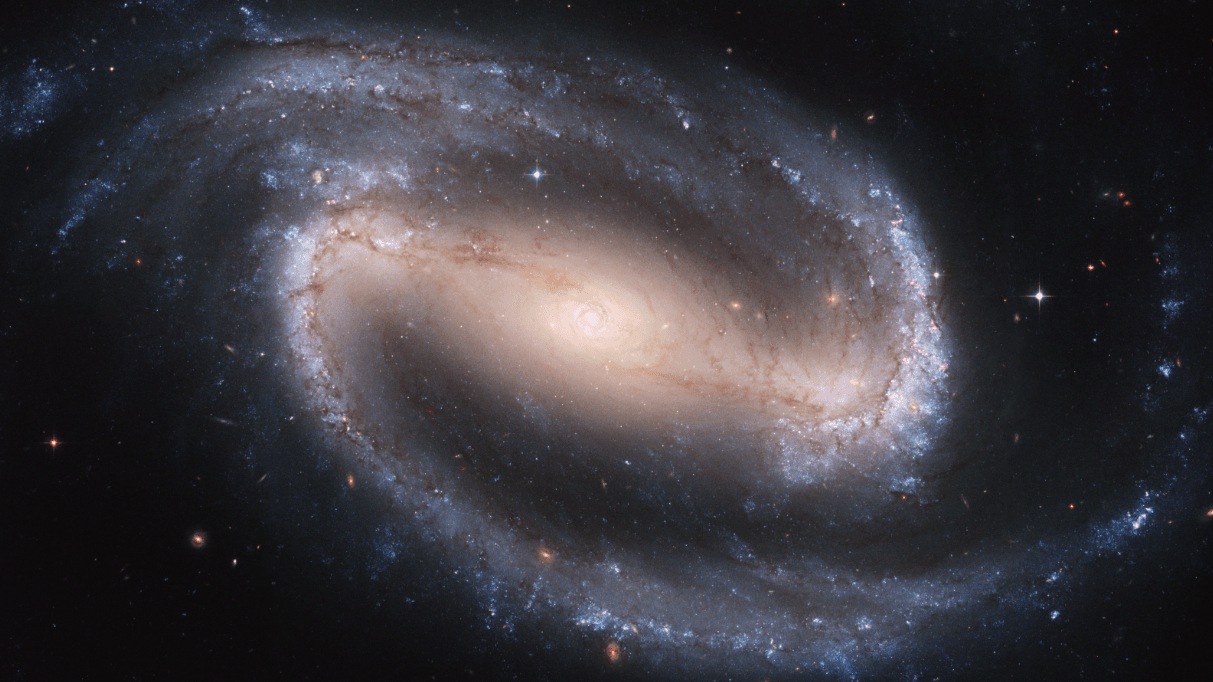

Darkness is a part of our everyday life, which we, for the most part, do not pay attention to what it is. Some find peace in a dark room; for some, it brings out fear. I have myself noticed that a familiar setting can transform into a different environment once the lights go out. What used to be ignored becomes noticeable, and the mind starts to play out what is not there.
But darkness is a thing beyond the absence of light. It impacts our bodies, animals, ecosystems, cultures, and also our perception of the universe. Here are ten amazing facts that may change how you think of darkness.
1. Complete Darkness is Surprisingly Difficult to Find
Even on the nights that are the clearest and free from the moon, Earth is still far from dark. Starlight, atmospheric glow, and other natural causes provide some light. Also, it has become very hard in recent years to find places that have very low levels of artificial light as cities are growing and the night sky is brightening.
2. Your Body Responds to Darkness
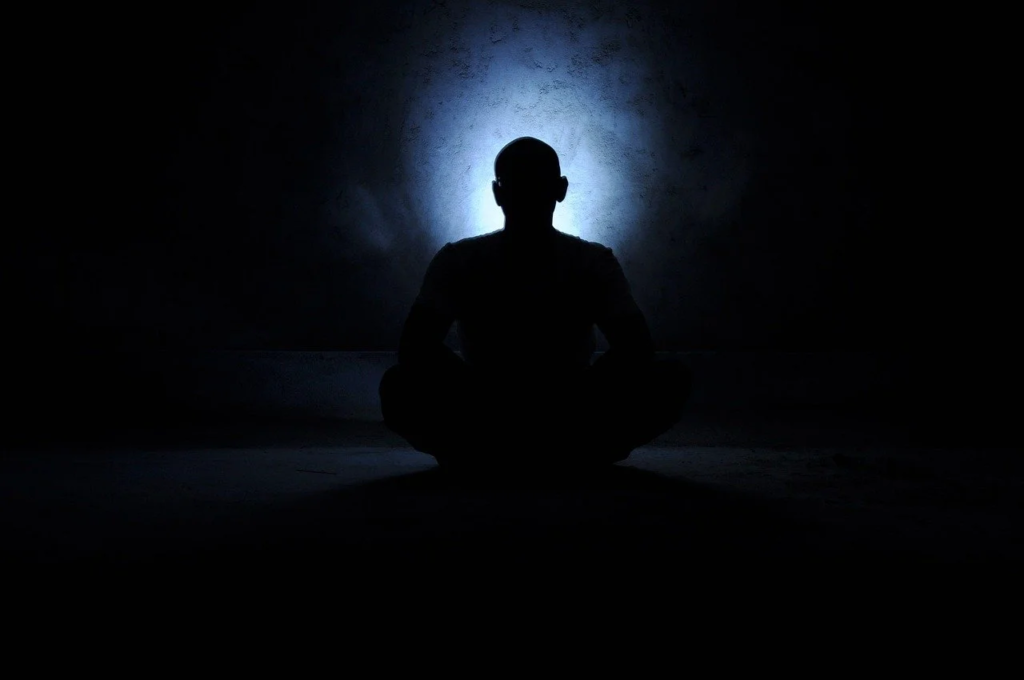
As the environment around us darkens, our eyes adjust to let in what little light is present. Also at this time, our brain notes that it is growing late. This is a factor that has made dark a key element in our sleep cycle.
3. Some Animals are Built for the Night
Humans have difficulty seeing in the dark, but many animals rule the night. Owls have very sensitive eyes, cats see better in low light, and many nocturnal animals depend greatly on their hearing and smell. Bats take it a step further with the use of echolocation for navigation and preying.
4. Darkness helps Regulate Sleep
In terms of the body’s circadian rhythm, darkness is key. As light decreases, the brain steps up melatonin production, which in turn prepares the body for sleep. That is also the reason why, for many people, sleeping in a very dark room is more comfortable than having bright lights on.
5. Artificial Illumination is Altering the Night
In a big city, look up at the sky, and you will see few stars. This is mostly due to light pollution. We have too much artificial light, which brightens the night sky and, at the same time, makes it hard for us to do astronomical observations and also which may disrupt wildlife that has adapted to natural day and night cycles.
6. Darkness can encourage imagination
In many ways, what I have found to be very creative is the act of sitting in a quiet dark room. Without the constant input of visual information, the mind has less to focus on, and thus it is free to wander more. Also, I have had some of my most random yet productive ideas at night, in the quiet of the room.
7. Extended Time in the Dark can Confuse the Brain
In many cases, our brains require sensory information, which includes that from our vision the most. When vision is very limited for long stretches of time, people may report atypical perceptions, trouble with time judgment, and in some settings may have hallucinatory experiences. The mind does not care for voids in information and at times will try to fill them.
8. Life Exists in Places Sunlight Never Reaches
Below the ocean’s surface, light fades out completely; still life thrives. At the hydrothermal vents, organisms have found a way to use chemical energy, which doesn’t include dependence on sunlight. These ecosystems show that darkness does not equal death.
9. Dark in Different Cultures
In many cultures and traditions, what darkness brings out is fear, mystery, and the unknown. At the same time, it also represents rest, transformation, spirituality, and the beginning of creation. What we as a culture interpret darkness to mean is a product of the stories and beliefs we are brought up with.
10. The Universe is Full of Things We can’t See
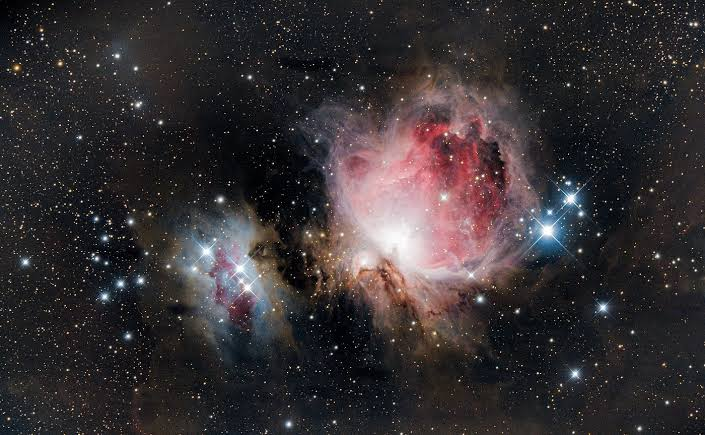
Sure, here is the paraphrased version of the text you provided: Also of great interest is that what we think of as darkness is, in fact, empty of what we are able to see. In our universe, there is radiation which we do not see, along with what is called dark matter and dark energy. We still mainly see but a small portion of the total picture, which is the cosmos.
Darkness Is More Than What We Cannot See.
Darkness appears empty but in fact is a gateway to many mysteries. It plays a role in our sleep, determines animal behavior, impacts ecosystems, and also presents a challenge for scientists trying to understand the universe.
The next time you go out on a still night, don’t right away pull out your phone’s flashlight. Take a moment to look around. You may see that which you once feared in the dark is, in fact, nothing to fear at all; it is just a different aspect of the world which we have yet to understand.
About the Author