
Ten Famous Faces With a Simian Line in 2026
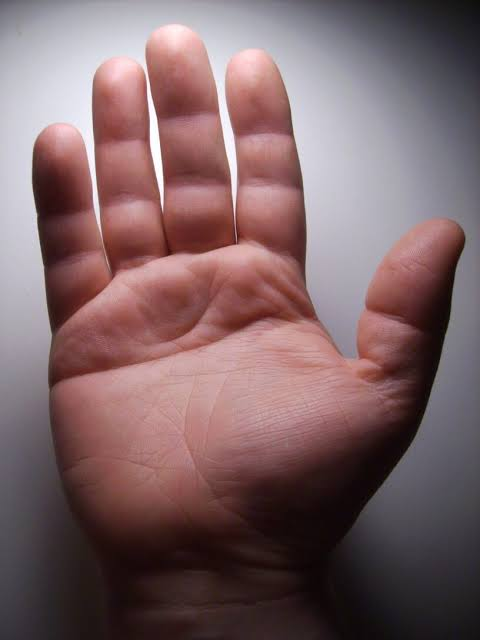
Most of us have two creases running across the palm. A few people have just one bold line, the simian line, which doctors call a single transverse palmar crease. It happens when the heart line and head line fuse into one. Palm readers love it, and the names below are the ones most often cited.
The List
1. Tony Blair. The former UK prime minister (1997 to 2007) is said to have the line on both hands, which is rarer than having it on one.
2. Alain Delon. The French screen idol, who died in 2024, is reported to have it on his right hand. He starred in Purple Noon and Rocco and His Brothers, and picked up an honorary Palme d’Or at Cannes in 2019.
3. Robert De Niro. Reportedly on his left hand. His long partnership with Martin Scorsese began with Mean Streets and produced some of cinema’s best-known performances.
4. Tony Robbins. The motivational speaker is said to carry the line on his right hand. Born Anthony Mahavoric, he turned self-help into a global business.
5. Rainn Wilson. Dwight Schrute himself, reportedly with a full line on his right hand. Off screen, he co-founded the media company SoulPancake and wrote the memoir The Bassoon King.
6. Nigel Farage. The British politician and broadcaster, a leading voice for Brexit, is said to have a clean line on his right hand.
7. Armin van Buuren. The Dutch DJ behind the long-running radio show A State of Trance reportedly has it on his left hand.
8. Benedict Cumberbatch. The Sherlock star is described as having a broken, incomplete version on his right hand, so he’s a borderline case.
9. Anthony Hopkins. The Welsh actor, with Oscars, BAFTAs and Emmys to his name, is frequently included on these lists.
10. Takashi Murakami. The Japanese artist, who blurs the line between fine art and pop culture, reportedly has partial lines on both hands.
So, Does It Mean Anything?
Palmistry fans link the line to intensity, focus and strong emotions. There’s no scientific evidence for that. Medically, it’s usually a harmless quirk. Roughly 1 to 4 percent of people have it, depending on the study, and it’s more common in men and often runs in families.
Doctors do note that it appears more often in some genetic conditions, including Down syndrome, but on its own it diagnoses nothing. Most people with a simian line live completely ordinary lives, and it doesn’t affect how the hand works.
One caveat: these claims come from photos and online lists, not medical records, so treat them as trivia rather than fact.
About the Author