
Minimal home decor works best when every piece has a reason to be there. Start by clearing visual clutter, then add a small number of useful home decor items with natural textures and simple shapes. Wood, terracotta, metal, woven fibres and handmade accents can add warmth without making a room feel crowded. For Indian homes, the goal is not to remove personality but to edit the room so light, space and meaningful details can stand out.
What Does Minimal Home Decor Actually Mean?
Minimal home decor means using fewer, more intentional pieces instead of filling every empty surface. A simple room can still feel warm, colourful and personal when function, texture and proportion work together.
Minimalism is often mistaken for plain white rooms and almost no decoration. Good minimal interiors focus on what you keep. A useful lamp can replace several small decorative objects, while one strong wall piece can do more than a crowded gallery.
Architectural Digest India has highlighted natural materials, tactile finishes and quieter, craft-led design in its 2026 interiors coverage. That makes wood, clay, woven textures and carefully made accents relevant for a modern Indian home.
Quick Guide To Minimal Home Decor
| Approach | What To Use | Best For | Key Tip |
| Edit First | Existing furniture and decor | Any room | Remove duplicates before buying more. |
| Repeat Materials | Wood, terracotta, metal, woven textures | Whole home | Keep a small, related material story. |
| Use One Focal Point | Wall decor, artwork, mirror, sculpture | Living room or bedroom | Leave surrounding space visually quiet. |
| Choose Functional Decor | Trays, baskets, lamps, stools | Small homes and busy spaces | Let useful pieces do decorative work. |
| Add Handcrafted Accents | Ceramics, carved wood, handmade metal | Rooms needing warmth | Use a few pieces, not every style at once. |
5 Simple Minimal Home Decor Ideas
1. Edit The Room Before Adding Anything
The easiest way to create a minimalist home is to remove what you do not need before buying anything new. Check shelves, coffee tables, bedside tables and open storage first.
Keep pieces that serve a purpose, carry meaning or genuinely improve the room. Move duplicates into storage, donate usable items you no longer need, and leave some surfaces partly empty.
This also supports sustainable home decor. The US Environmental Protection Agency places source reduction and reuse ahead of recycling in its waste hierarchy. Reusing, repairing or donating existing pieces is a sensible first step before replacing them.
2. Choose A Small Material And Colour Palette
Minimal decor feels more cohesive when the room repeats a few materials and colours. You do not need everything to match, but the pieces should feel related.
Try warm white, beige, soft grey or earthy shades as a base, then add one deeper tone through a cushion, ceramic piece or wall accent. Two or three recurring textures, such as wood with terracotta, can add depth without visual noise.
This works across living room decor, bedroom decor, entryway styling and compact dining spaces. Before buying a new item, ask whether it fits the palette already in the room.
3. Create One Clear Focal Point
A minimalist room does not need many statement pieces. One strong focal point often creates more impact than several competing accents.
In a living room, use textured wall decor, artwork, a mirror or a sculptural object. In a bedroom, a simple lamp or one carefully styled surface can provide enough visual interest.
Keep the area around the focal point quiet. This prevents minimalist decor from turning into a collection of unrelated objects.
4. Make Decorative Pieces Useful Too
Functional decor is one of the easiest ways to keep a home simple without making it feel empty. Choose home decor items that also organise, illuminate, display or store something.
A wooden tray can gather everyday objects. A woven basket can hold throws. A well-shaped lamp can provide light and become part of the room’s visual identity.
For smaller Indian apartments, this approach can be especially practical because one item can serve more than one purpose. The room stays useful as well as visually calm.
5. Add Warmth With Handcrafted And Natural Accents
Minimal does not have to mean mass-produced or characterless. A few handcrafted home decor pieces can introduce texture through visible making, natural variation and simple forms.
Terracotta pots, carved wooden decor, hand-finished metal accents, woven baskets and ceramic pieces can work well with modern furniture. The key is restraint. Choose a few pieces that complement each other.
For readers who like Indian craft, a small selection of handcrafted decor from a design-led source such as Ekaurr can fit naturally into a pared-back space. Use craft as a layer of character, not as a reason to fill every corner.
How Can You Make Minimal Home Decor More Sustainable?
Sustainable home decor starts with thoughtful buying, not simply with an eco-friendly label. Consider durability, material, repairability, reuse and how often you expect to change the item.
Whenever practical, reuse furniture or decor you already own. Repair a damaged piece, repurpose a container or move an item to another room before replacing it. The EPA’s sustainable materials guidance supports using materials productively across their life cycle and prioritising source reduction and reuse. [2]
Do not assume that a natural-looking material is automatically sustainable. Look for clear information about materials and construction instead of relying only on broad environmental claims.
How Can You Keep Minimal Decor Practical In An Indian Home?
Indian homes often combine family use, entertaining, storage needs and strong visual traditions. Minimal decor can work well when it respects how the space is actually used.
Keep frequently used objects accessible, but group them in trays, baskets or closed storage. Keep pathways and key surfaces clear. Use textiles, wood, clay and other tactile materials to bring softness without adding many objects.
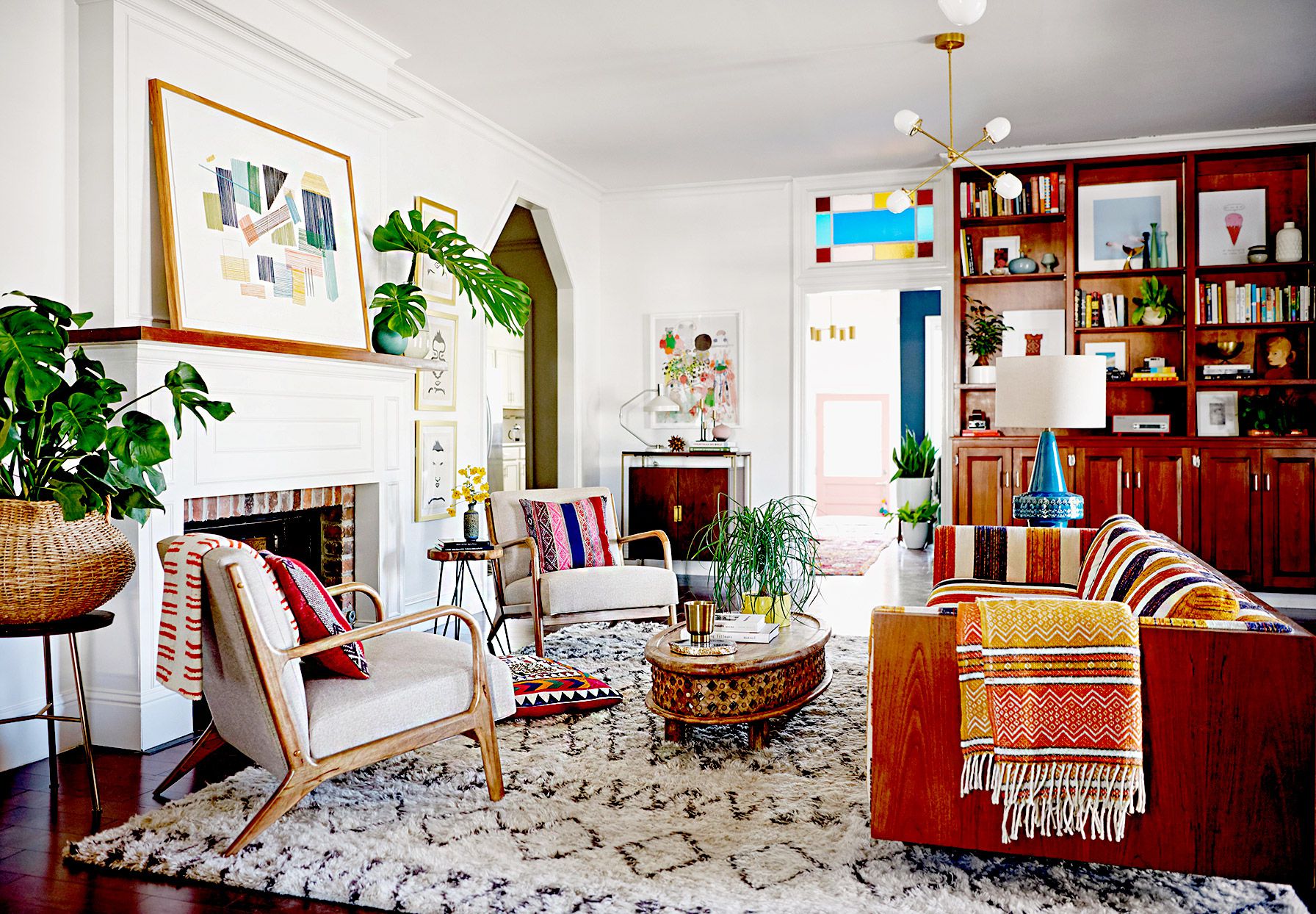
You also do not have to avoid colour. Muted green, earthy pink, blue or mustard can add personality while keeping the overall composition calm. The goal is visual balance, not a colourless room.
How Do You Know When A Room Has Enough Decor?
Before adding another decorative item, ask three questions: Does it serve a purpose, does it suit the room, and will I still value it when the current trend changes?
This simple test can prevent impulse purchases and help you build a home gradually. A slower approach gives meaningful pieces time to earn their place.
The best minimal home decor is not about owning less for the sake of it. It is about making the things you keep more visible, useful and meaningful. Start with one room, remove unnecessary clutter, repeat a few materials, create one focal point and add handcrafted or functional accents carefully. The result can feel calm without feeling empty, and personal without feeling overdecorated.
Frequently Asked Questions
1. What Is The Easiest Way To Start Minimal Home Decor?
Start by decluttering one room and keeping only useful, meaningful or visually important pieces. Then add only what the room genuinely needs.
2. Which Materials Work Well For Minimalist Indian Homes?
Wood, terracotta, ceramic, woven fibres and simple metal accents can add warmth and texture while keeping the overall look restrained.
3. Can Sustainable Home Decor Still Look Modern?
Yes. Reused, durable and thoughtfully sourced pieces can work with modern furniture and a simple palette. Sustainability and contemporary design can work together.
4. How Many Decorative Pieces Should A Minimalist Room Have?
There is no fixed number. Use enough to give the room character and function, then stop when adding another piece makes the space feel busy.
5. Can Handcrafted Home Decor Work In A Minimalist Interior?
Yes. Handcrafted pieces can add texture and personality. Choose a few complementary pieces rather than mixing too many patterns, materials or styles.
About the Author