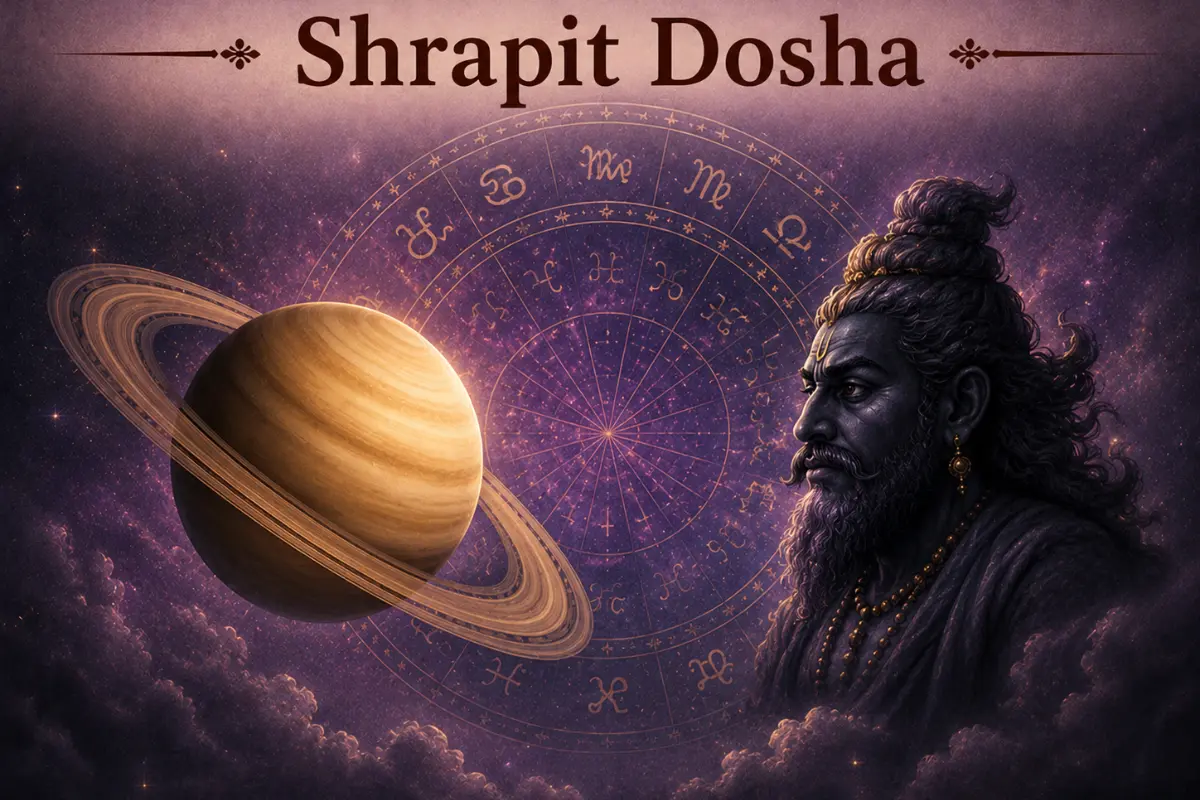

In Vedic astrology, the conjunction of Saturn (Shani) and Rahu is often associated with Shrapit Yoga, sometimes called Shrapit Dosha. Astrological traditions interpret this planetary combination in different ways, with some associating it with delays, obstacles and difficult life lessons. However, the idea that it automatically represents a curse can create unnecessary fear.
Understanding its traditional meaning, astrological interpretations and limitations can help readers approach the subject with a more balanced perspective.
Also Read: Know about the Most Famous Indian Chefs in 2026
What Is Shrapit Yoga?
Shrapit Yoga is an astrological combination traditionally associated with Saturn and Rahu occupying the same house or sign in a birth chart. The Sanskrit-derived term Shrapit is commonly interpreted as referring to someone affected by a curse.
Some astrologers believe this combination indicates unresolved karma, recurring challenges or responsibilities that require patience and discipline. Interpretations vary, however, and not every astrologer considers the conjunction sufficient on its own to establish Shrapit Yoga.
The house, sign, planetary strength, aspects and overall birth chart are often considered when interpreting this placement within the tradition.
Why Are Saturn and Rahu Considered Challenging Together?
Saturn and Rahu have distinct symbolic associations in Vedic astrology.
Saturn (Shani) is traditionally associated with discipline, responsibility, hard work, limitations, justice and delayed results. It is often interpreted as a symbol of lessons learned through persistence and accountability.
Rahu is a lunar node associated in Vedic astrology with ambition, material desires, unconventional pursuits, obsession and sudden changes. Its interpretation can vary depending on its placement and relationship with other planets.
When these two are conjunct, some astrologers interpret the combination as a tension between restriction and intense desire. Others associate it with unusual ambition, persistence, strategic thinking or the ability to work through complicated situations.
Is Shrapit Yoga Truly a Curse?
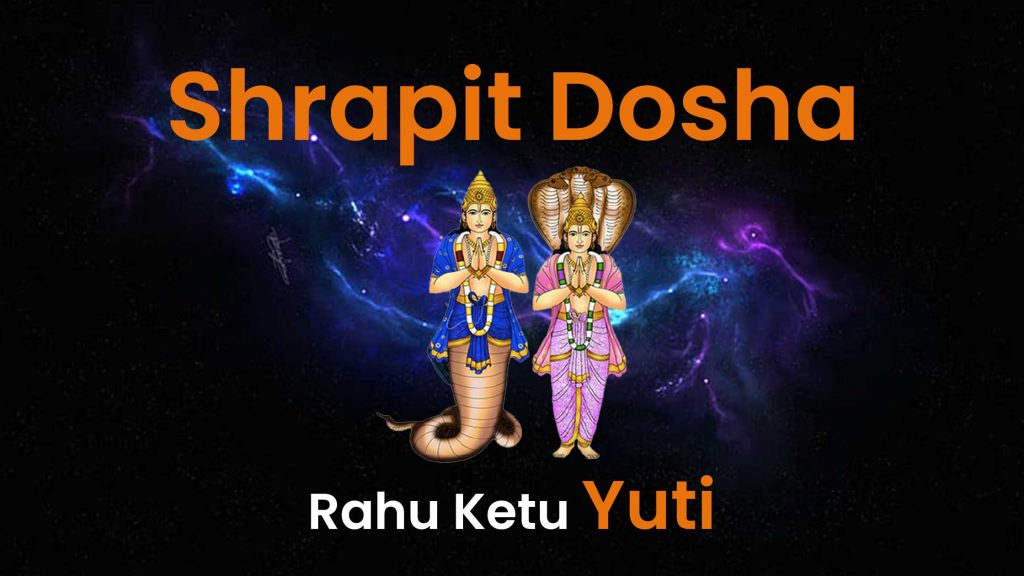
There is no scientific evidence that a Saturn–Rahu conjunction places a curse on a person or determines their future. The concept belongs to the belief system of Vedic astrology, and its interpretations are not scientifically established predictions.
Even within astrology, the conjunction is not universally understood as entirely negative. Some practitioners interpret it as an invitation to develop patience, self-discipline, ethical conduct and greater awareness of one’s decisions.
Therefore, it is more balanced to view Shrapit Yoga as a traditional astrological interpretation rather than a definitive judgment about someone’s life.
Commonly Discussed Effects of Shrapit Yoga
Depending on the astrologer’s interpretation of the full birth chart, Saturn–Rahu conjunction may be associated with the following themes:
- Career: Delays, demanding responsibilities or unconventional professional paths.
- Relationships: The need for clear communication, boundaries and patience.
- Finances: A cautious approach to risk, spending and long-term planning.
- Mental pressure: Feelings of uncertainty or frustration during challenging periods.
- Personal growth: Developing resilience, discipline and a more considered approach to decisions.
These are traditional astrological associations, not guaranteed outcomes. A planetary placement alone cannot reliably predict a person’s health, career success, relationships or financial circumstances.
Does the House of the Conjunction Matter?
In Vedic astrology, the house containing Saturn and Rahu is considered important when interpreting the conjunction.
For example, some astrologers associate the tenth house with career and public responsibilities, the seventh house with partnerships, and the fourth house with home and emotional security. They may interpret the conjunction differently in each location.
However, interpretations also depend on the ascendant, planetary aspects, sign placement, chart divisions and other factors used within a particular astrological school. There is no single universally accepted interpretation for every chart.
Traditional Remedies for Shrapit Yoga
Some Vedic astrology practitioners recommend spiritual practices intended to encourage discipline, devotion and peace of mind. These may include:
- Reciting prayers or mantras associated with Shani.
- Practising meditation and regular self-reflection.
- Performing charitable acts and helping people in need.
- Maintaining honesty, responsibility and consistency in daily life.
- Participating in religious observances according to personal beliefs.
These practices may provide spiritual or personal meaning to believers, but they have not been scientifically demonstrated to remove a planetary curse. Avoid anyone who uses fear of Shrapit Yoga to pressure you into expensive rituals, gemstones or paid remedies.
Also read: Know about the Founder of Hinduism in 2026
Conclusion
The Saturn–Rahu conjunction, known in some Vedic astrology traditions as Shrapit Yoga, is often associated with karmic challenges, ambition and the need for discipline. However, it should not automatically be interpreted as a curse or a guarantee of misfortune.
Astrological interpretations vary, and there is no scientific evidence that this conjunction determines a person’s destiny. Approaching the subject without fear, while focusing on practical decisions, personal responsibility and emotional well-being, offers a more balanced perspective in 2026.
Disclaimer: This article discusses traditional astrological beliefs for informational purposes only. Astrology is not scientifically established as a method for predicting individual outcomes. Important decisions about health, finances, relationships or careers should be based on reliable evidence and appropriate professional advice.
About the Author