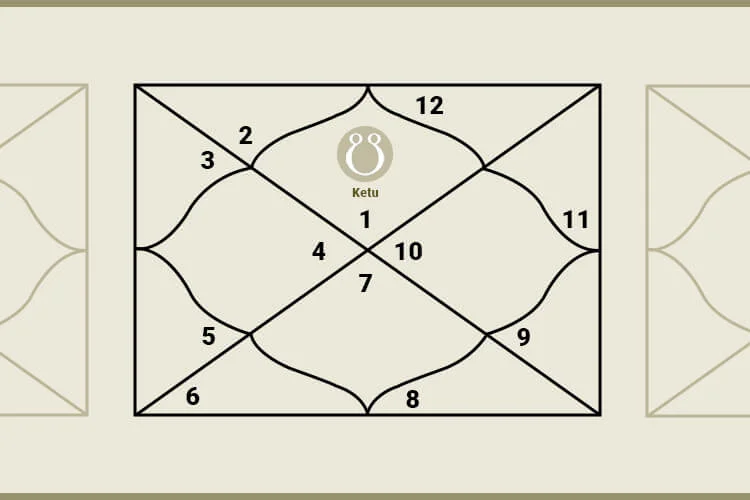

In Vedic astrology, the First House, also called the Ascendant or Lagna, represents personality, physical appearance, self-image, and how a person approaches life. Ketu, known as the South Node of the Moon, is traditionally associated with detachment, spirituality, past-life themes, and inner reflection. When Ketu occupies the First House in a birth chart, astrologers often interpret it as an influence on identity, confidence, and personal development.
Also Read: Know about the Most Famous Indian Chefs in 2026
But does Ketu in the First House always create personality challenges? The traditional interpretation is more nuanced and depends on the complete birth chart.
What Does Ketu in the First House Mean?
The First House represents the individual’s outward personality and sense of self. Ketu is considered a shadow planet in Vedic astrology and is associated with experiences that encourage detachment from material identity.
Astrologers may interpret this placement as indicating someone who questions conventional expectations, prefers independence, or feels drawn toward deeper questions about life. Such individuals may be introspective and less interested in gaining attention or social recognition.
However, these interpretations are not universal. The Ascendant sign, the condition of its ruling planet, aspects from other planets, and the placement of Rahu all influence how astrologers interpret Ketu in this house.
How Can Ketu in the First House Affect Personality?
1. Introspective Nature
People with this placement are traditionally described as reflective and observant. They may spend considerable time examining their thoughts, motivations, and life choices. Some may prefer meaningful conversations over superficial social interactions.
2. Detachment From Recognition
Ketu is associated with reducing attachment to worldly identity. Astrologers may therefore interpret this placement as a tendency to care less about status, praise, or external validation.
This does not necessarily mean a person lacks ambition. Instead, their motivation may come from personal meaning rather than public recognition.
3. Questions About Identity
The First House relates to self-image, while Ketu symbolizes detachment. Their combination is sometimes interpreted as uncertainty about personal identity or difficulty defining long-term goals.
In a constructive interpretation, this tendency may encourage self-discovery and a willingness to reconsider established beliefs.
4. Independent Thinking
Ketu in the First House is also associated with unconventional perspectives. Individuals may question traditions, resist social pressure, or follow a personal path. Whether this becomes a strength or a source of conflict depends on individual circumstances and behaviour.
Is Ketu in the First House Always Negative?
No. In traditional Vedic astrology, this placement is not automatically considered harmful. Some astrologers associate it with spiritual curiosity, intuition, simplicity, and the ability to look beyond superficial concerns.
Potential challenges may include excessive withdrawal, uncertainty about identity, or difficulty expressing personal needs. However, these are symbolic astrological interpretations, not established psychological outcomes.
The overall chart matters. The Ascendant lord, planetary aspects, house placements, and broader chart combinations are considered before drawing conclusions. No single placement can reliably determine a person’s character or future.
Ketu Mahadasha With Ketu in the First House
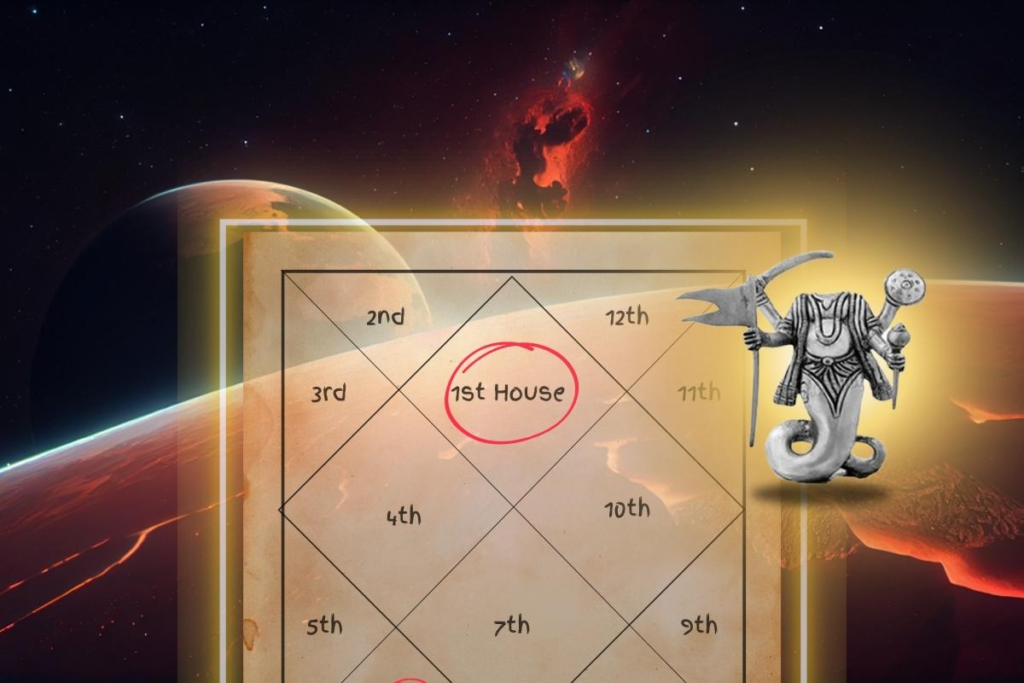
Ketu Mahadasha is traditionally described as a period of introspection, detachment, and reassessment. When Ketu is placed in the First House, astrologers may associate this period with changes in self-perception, priorities, relationships, or spiritual interests.
Some interpretations suggest that a person may reconsider career ambitions or become less attached to earlier definitions of success. Others emphasise personal growth and a search for meaning.
These outcomes are not guaranteed. The interpretation of Ketu Mahadasha depends on the full birth chart and the astrological tradition being followed. Astrology cannot scientifically predict specific events during a planetary period.
Traditional Remedies for Ketu in the First House
People who follow Vedic astrology may consider the following traditional practices:
- Prayer and meditation: Use regular meditation or prayer as a way to develop calmness and self-awareness.
- Charity and service: Participate in charitable activities according to personal beliefs and means.
- Mantra recitation: Some traditions recommend chanting “Om Ketave Namah” as a devotional practice.
- Grounded daily routines: Maintain healthy habits, clear personal goals, and supportive relationships.
These practices may provide personal or spiritual meaning, but they should not be presented as scientifically proven ways to change planetary effects. Gemstones or costly rituals should not be treated as necessary solutions.
Conclusion
Ketu in the First House is traditionally associated with introspection, independence, detachment, and questions about identity. Although some interpretations emphasise challenges with self-confidence or direction, others focus on spiritual curiosity and personal growth.
Also read: Know about the Founder of Hinduism in 2026
Its meaning depends on the entire birth chart rather than one placement alone. Ultimately, personality is shaped by many factors, including experiences, environment, relationships, and individual choices.
Disclaimer: This article discusses traditional Vedic astrological beliefs for informational purposes. Astrology is not scientifically established as a method for determining personality or predicting life events. Use personal judgement and evidence-based guidance when making important decisions.
About the Author