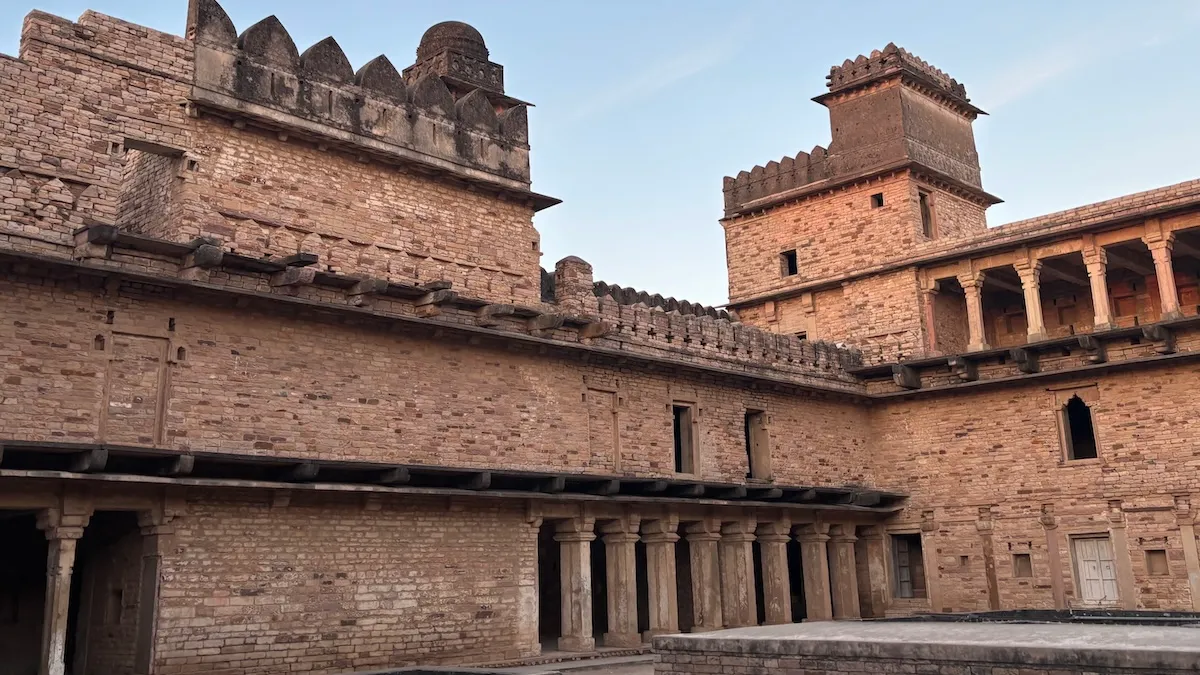

At times, a film does more than just entertain its audience. It can bring to light a foreign destination to millions and, in turn, change the world’s perspective of it. That is what happened with Chanderi, a historical town in Madhya Pradesh, after the success of the Bollywood horror-comedy films Stree and Stree 2. Once known mainly for its hand-woven sarees and ancient monuments, Chanderi has become a site for cinema-goers and curious travelers. By 2026, the town’s growth in popularity has provided an interesting study of how entertainment can play a role in tourism and local economies.
Chanderi Before the Street Phenomenon
In Madhya Pradesh’s Ashoknagar district lies Chanderi which has a history of over many centuries. Known for its traditional handloom sector, the town is also home to the lightweight Chanderi sarees, which are admired for their fine design and delicate work.
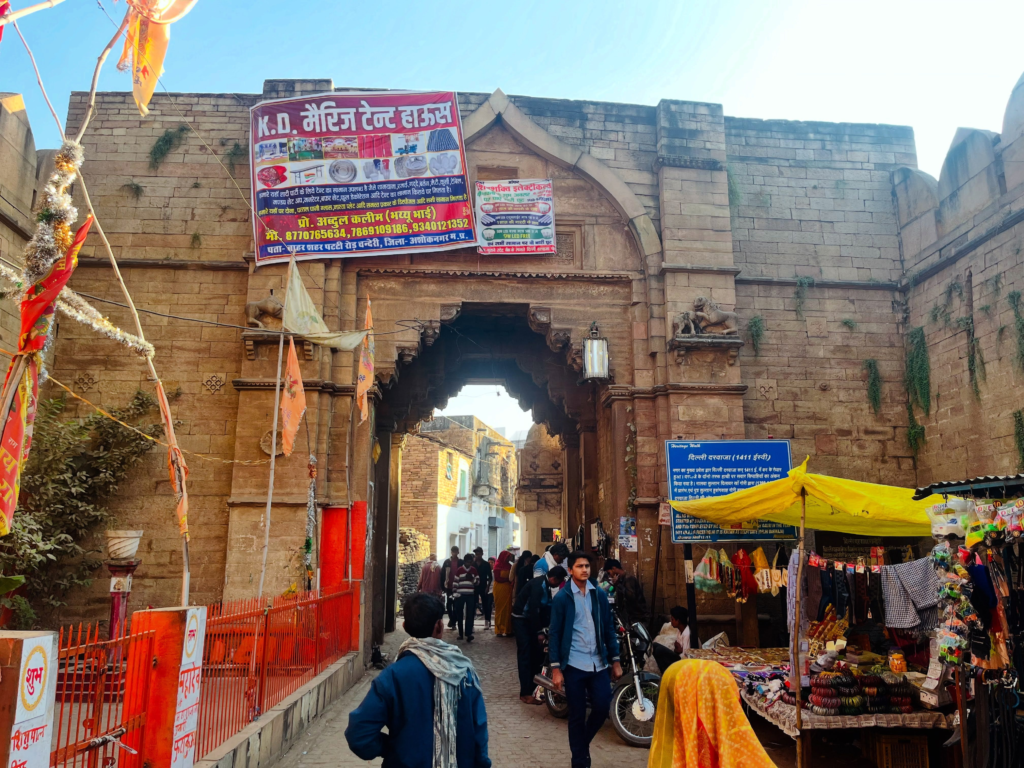
Its narrow lanes, which have long hosted historic gates, temples and forts, reflect our cultural heritage. But though it has much to offer, Chanderi played second fiddle to more famous tourist spots like Khajuraho and Orchha.
For many years we see in which the weaving trade was a key component of the local economy. Many families were involved in the production and sale of textiles at the same time that tourism filled in as a secondary source of income.
How did Stry bring Chanderi to the fore?
In 2018, director Amar Kaushik broke out with the release of Stree, which starred Rajkummar Rao and Shraddha Kapoor.
The film was a mix of the supernatural and humor along with social commentary. It told the story of a strange female spirit that had taken over Chanderi and was the cause of great suspense as well as comedy.
Unlike most other Bollywood films which use made-up locations, in Chanderi we see the real setting of Stree. Its ancient structures, peaceful byways, and ambiance became the film’s identity.
The name of that town went out to audiences all over India, which in turn got viewers to wonder if the place we saw on screen was real.
Strengthening of the Town’s Popularity.
In August 2024, when Stree 2 hit the theaters, it brought back attention to Chanderi. The sequel, which saw the return of familiar characters, also introduced a new supernatural threat.
Its commercial success saw an increase in interest in the places associated with the franchise. Fans began to recognize landmarks which had appeared in the most memorable scenes.
One very popular attraction is Kati Ghati, the historic gate which features in the films. Also, Raja Rani Mahal and the nearby streets have proven to be of interest to visitors who are fans of the film locations.
By 2026, Chanderi had also come to be known for a run of successful horror comedy films.
Tourism is a boost to local businesses.
Chanderi’s growing trend has seen benefits to many sectors of the local economy.
Visitors who come to see the film locations also require accommodation, transport, food and guidance. This is an opportunity for hotels, restaurants, small shops and local guides.
Some members of the community have taken to point out film locations to visitors, which in turn also puts local merchants, who sell traditional products, in greater exposure.
A report from India Currents detailed how local businesses saw an increase in attention after Bollywood productions. Also, we learned that Chanderi saw over 100 thousand visitors in three years.
Although not entirely the achievement of Stree, it is true that the films have brought the town greater attention.
New chance for Chanderi’s weavers.
Chanderi’s textile industry is one of its greatest cultural assets.
In that town, they are known for silk and cotton blend sarees which also feature elegant designs and traditional weaves.
As tourism grows in Chanderi, we see local artisans who have greater opportunities to put out and sell their work to the public.
This issue of cinema tourism versus traditional craft is very key. People who come for a film may end up valuing the town’s art legacy more.
Pranpur’s growth into a craft handloom tourism village, which is a neighbor to Chanderi, is a result of attempts to tie tourism with local economies.
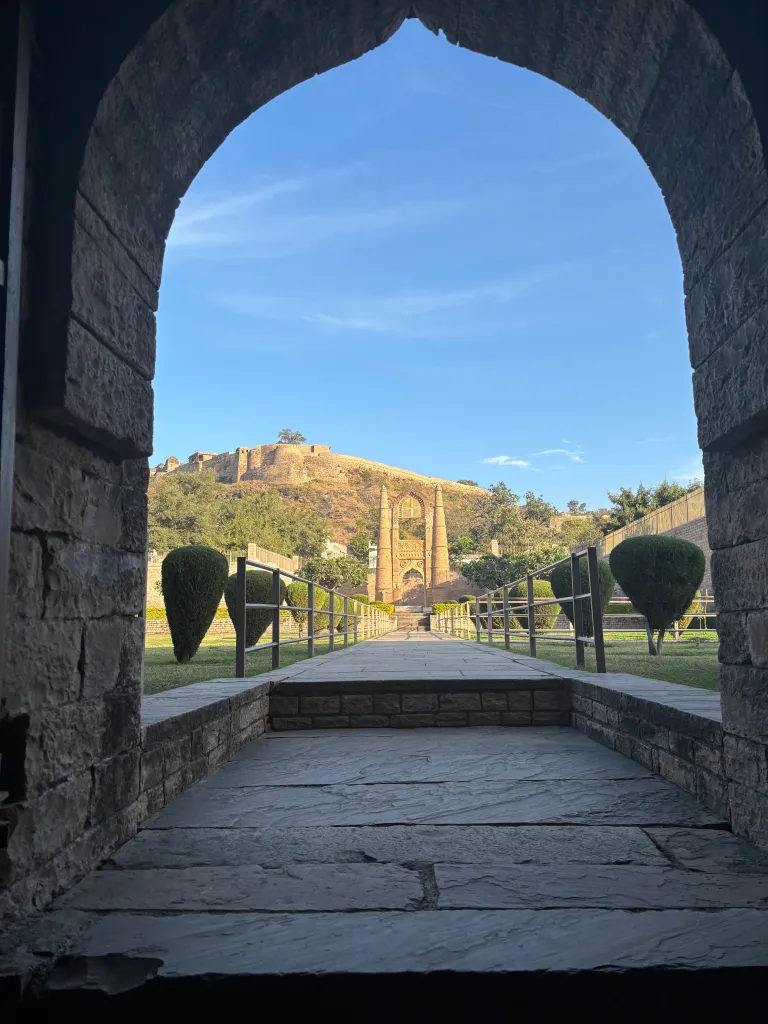
Government Initiatives and Tourism Development
As the popularity of Chanderi grows, so does support from Madhya Pradesh Tourism for measures that encourage longer stays.
The Chanderi Eco Resort, which has put up accommodation options for guests, also presents an array of cultural activities, heritage walks, and traditional craft workshops.
Tourism boards also introduced a Stree-themed selfie station which puts guests in touch with film locations.
These initiatives present how film-based curiosity is turned into a greater tourism experience.
As well as that which we preserve our history, which is to say we maintain clean environment and protect local traditions as tourism grows.
Chanderi in 2026: More than a set piece location.
By 2026, Chanderi had become a brand beyond what was traditionally known as a weaver’s town.
The town today presents to its guests a mix of film set scenery, historic architecture, textile crafts, and regional culture.
Importantly, in the case of Chanderi’s heritage, Stree served as the ambassador. We may not have reached out to that audience without it.
The town’s success in the future will be in finding a balance between growth of tourism and preservation of what is truly local.
Conclusion
The Chanderi story is of how film fame transformed a small town. What we had been looking at as a backdrop for a make-believe ghost story grew to be a tourism boom which, in turn, supported local business and traditional artisans.
In 2026, the Stree and Stree 2 legacy still plays out for Chanderi’s image. The films drew in guests interested in mystery, but what they found was a town with history, craft, and hospitality, which kept them coming back.
Chanderi’s story tells that at times, what is in the imagination as a ghost can bring very real opportunities to a historic destination.
About the Author