Holi and Holika Dahan

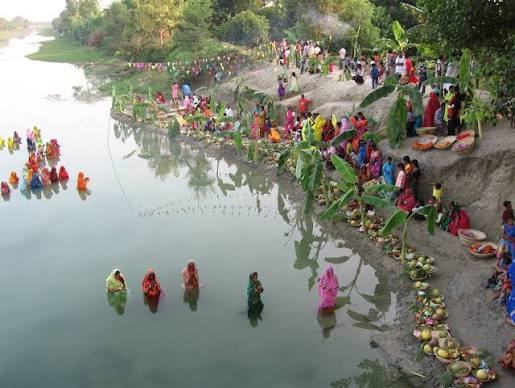
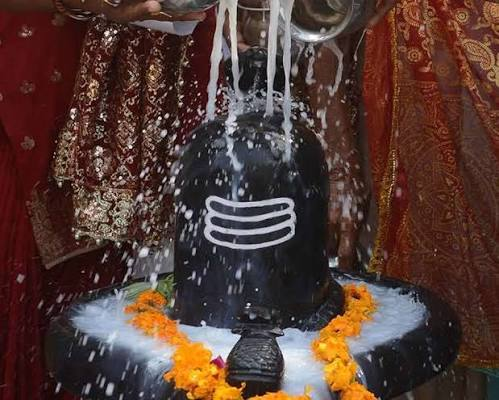
The Holi festival is one of the bright and happy festivals celebrated throughout India. Also called the festival of colors, it brings families and communities together through various traditions, music, sweets, and celebrations. The celebration takes place over a period of two days, starting with Holika Dahan and then Rangwali Holi. In 2027, the festival will take place in March, which will again give followers a chance to celebrate the old traditions and be prepared for the spring season.
Dates of Holi and Holika Dahan 2027
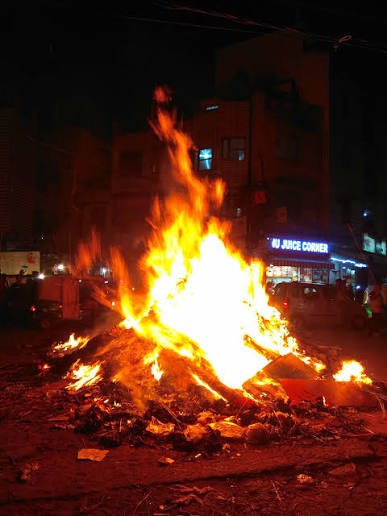
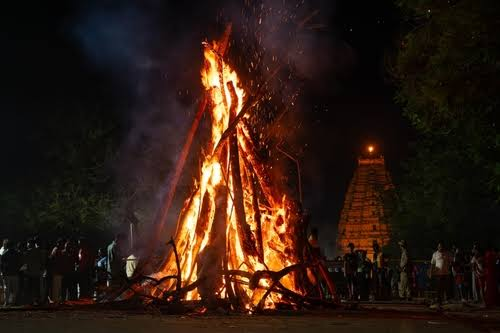
As per the Hindu calendar Holika Dahan will be falling on the date of Sunday, 21st March 2027, which also happens to be the night of Phalguna Purnima or the day of Rangwali Holi which will fall on the next day of Monday 22 March 2027. Holika Dahan, which is known as the bonfire, will take place a day before the festival of colors.
Holika Dahan 2027 Timing
6:33 PM to 8:55 PM, March 21, 2027. The Purnima Tithi commences at 6:21 PM on March 21 and ends at 4:13 PM on March 22. Local times of auspicious times may differ depending on locality and based on local Panchang reports. Hence, devotees need to check their city timings before performing the ritual.
Meaning of Holika Dahan
Holika Dahan signifies the victory of good over evil, and it is also a tale of unwavering faithfulness. According to Hindu mythology, King Hiranyakashipu commanded everyone to pray to him, but his son Prahlad was a devotee of Lord Vishnu. This devotion angered the king, which in turn made him ask his sister Holika for help. She had a boon that fire would not harm her, only the person sitting with her. But when they sat in the fire together, what happened was that Holika was burned and Prahlad was saved by the grace of God.
Personally, I am drawn to this story, which tells of how faith, goodness, and truth prevail against arrogance and negativity in the case of Holi.
Rituals Followed During Holi
On Holi which is also known as Holika Dahan, people come together by the bonfires which they have prepared and put in there traditional offerings of flowers, coconut, grains and other items. At home, they perform puja; they pray for prosperity and also go around the sacred fire, which is a part of their tradition.
The next morning, people celebrate Rangwali Holi by playing with colors and putting on gulal. Also, they prepare traditional sweets like gujiya and go to see friends and relatives to exchange greetings.
Final Thoughts
Holi is a step beyond the color throwing; it is a symbol of togetherness, forgiveness, and new beginnings. In my opinion, what gives it beauty is the happiness that is shared with loved ones and the traditions that bring generations together. Holi in 2027 will thus once again present a great chance to celebrate these values.
About the Author