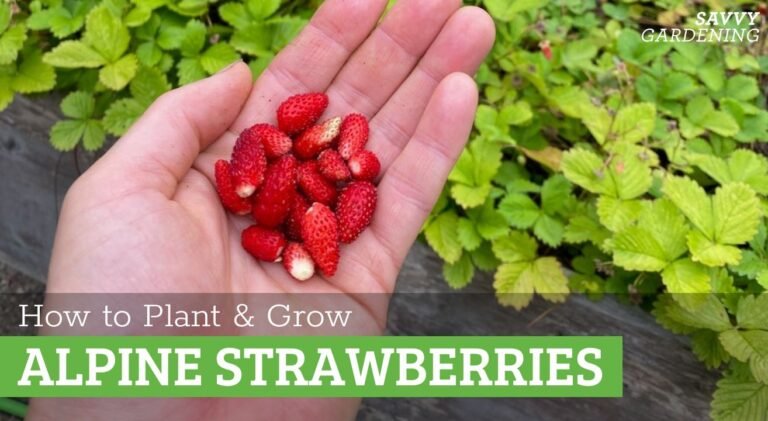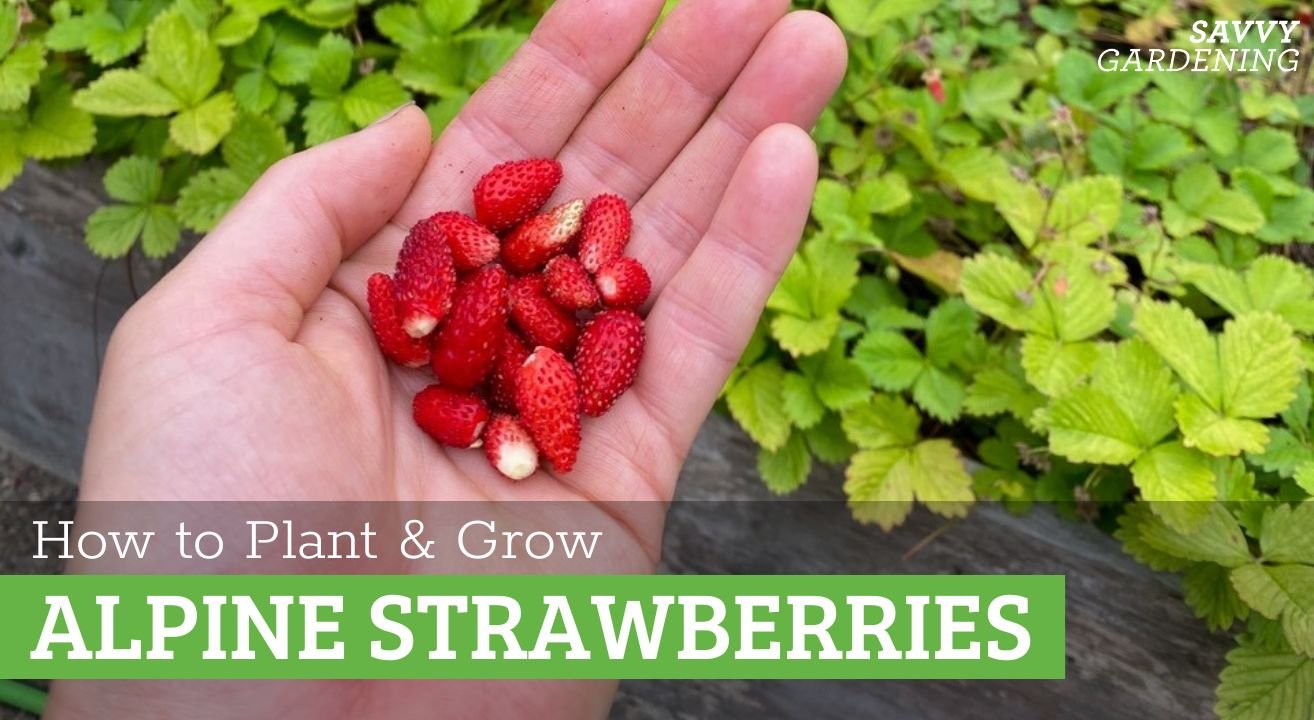

Alpine strawberries are small, delicious fruits known for their intense sweetness, beautiful appearance, and delicate aroma. They differ from regular strawberries in that they bear very small fruit with a naturally sweet, slightly floral taste. Botanically known as Fragaria vesca, these plants are suited to gardens, balconies, and containers. It is possible to have fresh alpine strawberries just at home if you have the right amount of sunlight, healthy soil, and attention.
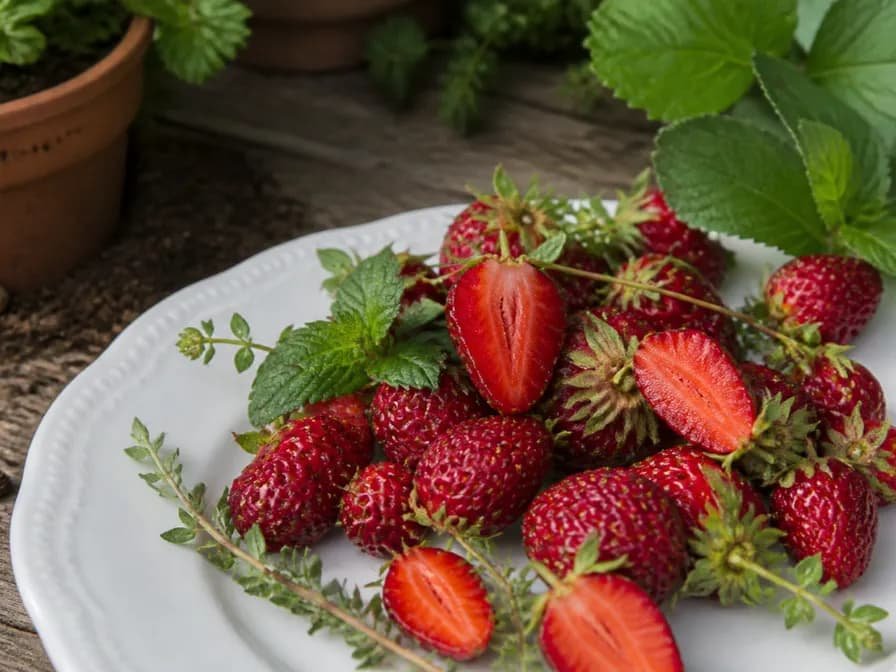
Select the right type of alpine strawberry Variety
Provide high-quality seeds and/or young plants. Alexandria, Mignonette, and Yellow Wonder are popular varieties. The aromatic red berries are produced by Alexandria, and the yellow fruits are known as Yellow Wonder. In my opinion, this is an interesting group of varieties because of the fact that they are small, but not sacrifice flavour or sweetness.
Choose appropriate soil and growing site choice
Alpine strawberries thrive in fertile, well-drained, slightly acidic (pH 5.5 to 5.8) soil. A proper growing medium can be created from garden soil, compost, and coco peat. Look for an area with approximately 4 to 6 hours of exposure to sunlight each day. Some shade during the day could protect the plants from excessive heat in warmer climates such as India.
Plant seeds of Alpine strawberries
Alpine strawberries can be started with seeds in small pots or seed starting trays. Sow small seeds onto wet seed compost and top lightly with a fine layer of growing medium. Maintain moist soil, but not wet. When the seedlings have a few real leaves, split them up and put them in separate pots so that they grow good roots.
Maintenance of Water, Fertiliser and Plants
Good growth and fruit production depend on regular watering. Soil moisture should be kept slightly moist but not waterlogged. Increase soil fertility by adding organic compost, and use a proper liquid fertiliser during the growing season, following instructions. Trim off dry leaves and weeds often. Organic mulch can also help to retain soil moisture and keep fruits clean.
Prevent problems with pests and diseases on plants
Aphids, slugs and snails may sometimes infest alpine strawberries. Grey mould can also occur under fungal conditions and when conditions are wet. Good spacing, not over-watering, and pruning away dead leaves or spoiled fruits will help prevent these problems. Good caring of plants can be obtained by adequate ventilation and cleanliness of the growing area.
Harvest Alpine Strawberries
Harvest at the point of full maturity and colour. Gently hand-pick them as they are easily damaged. Their naturally sweet, aromatic and slightly tangy flavour makes them perfect for eating fresh. Personally, I’d like to just add some sugar to them, but eat them on yoghurt, pancakes, ice cream or homemade fruit salads.
Propagate Alpine Strawberries
Additional alpine strawberry plants can be grown from runners or seeds. There are varieties that form runners that are able to grow into little plants that can be potted up into a separate pot once they have a good root structure. Other varieties do not tend to produce runners; therefore, it is better to propagate by seed. If well cared for, these plants will keep bearing fruit for several growing seasons.
Conclusion
In 2026, it is a great time to be a gardener who wants to grow alpine strawberries. They require little maintenance and are appropriate for small gardens, balconies, and containers. It’s easy to have these naturally sweet and aromatic fruits at home with the right care—sunlight, water, good soil, and regular maintenance.
About the Author