
India’s cuisine is always a surprise. Each region has something special to offer, from fermented delicacies to some unique concoctions of locally available ingredients. The Red Ant Chutney is one such interesting preparation which is enjoyed by several indigenous communities in the eastern part of India as a traditional delicacy.
The chutney is made from red weaver ants and sometimes with eggs and larvae of the ants, which gives a unique sour, tangy, spicy and pungent taste. It is far more than an unusual way to prepare food and is associated with the popular name of Mayurbhanj district in Odisha, especially Similipal. It symbolises the traditional knowledge and living off the forest and the intimate connection of local communities with nature.
What Is Red Ant Chutney?
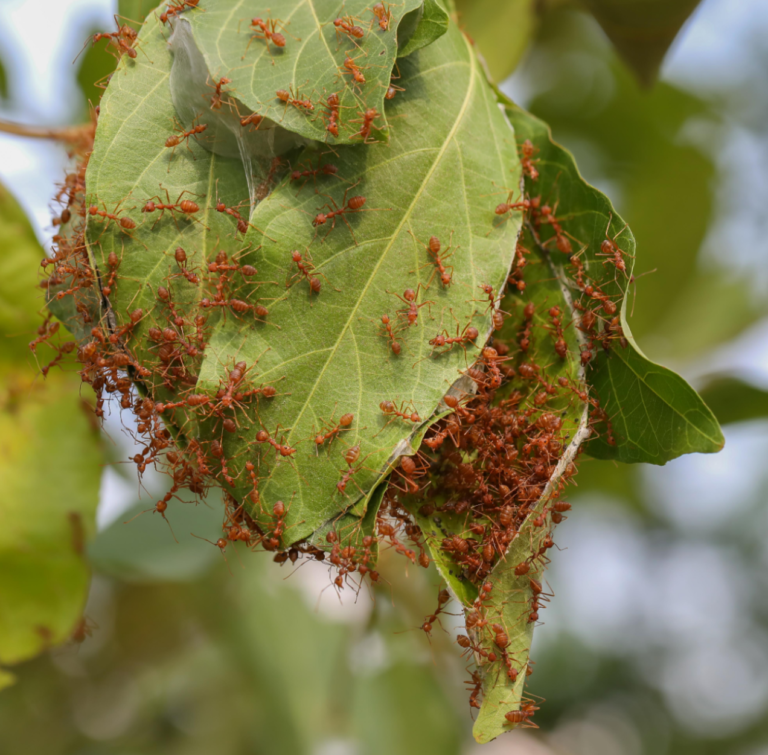
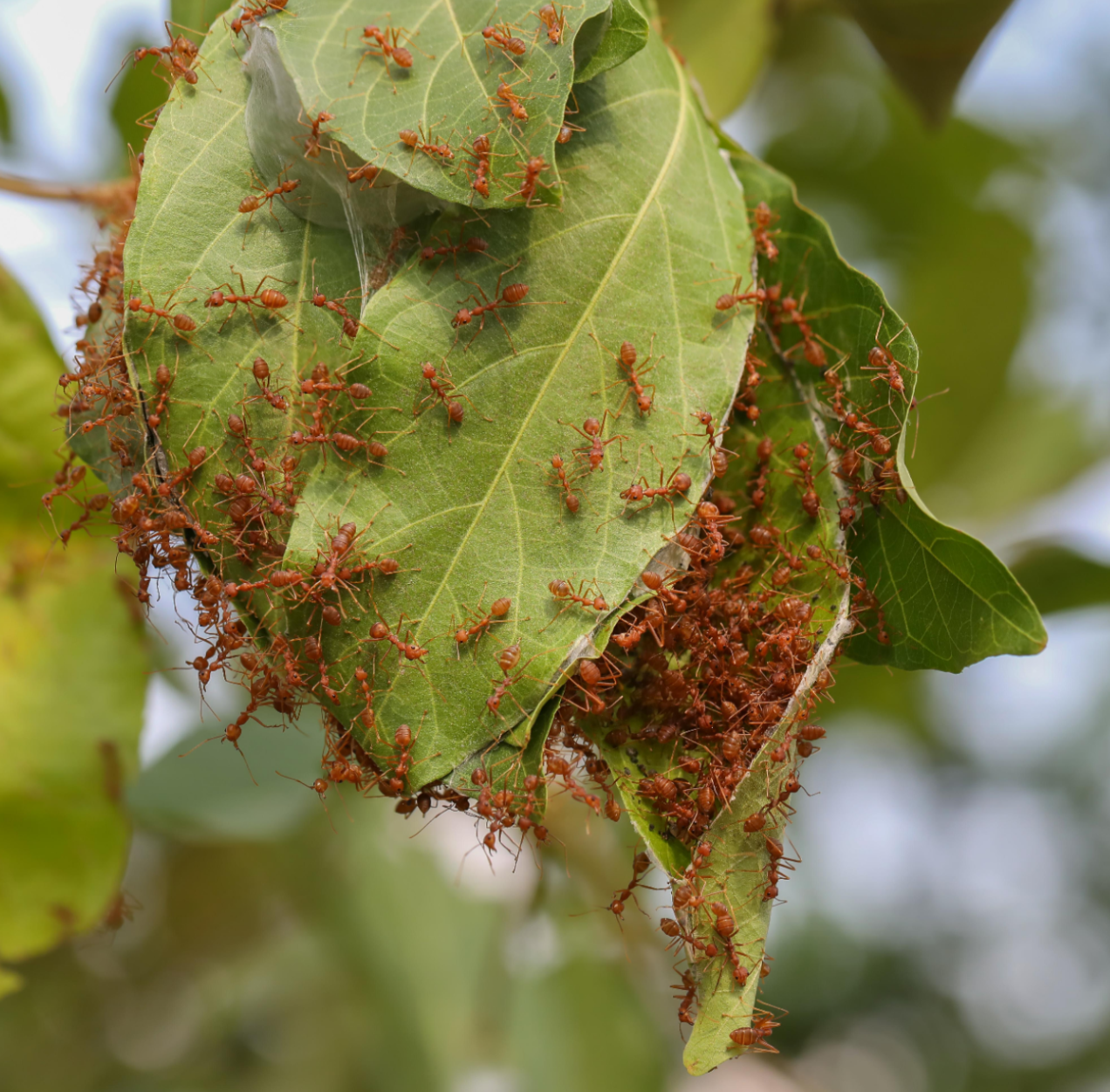
Edible red weaver ants (Oecophylla smaragdina) are used to extend the shelf life of chutney by adding them to red ant chutney, a traditional condiment. It is popularly known as Kai Chutney or Similipal Kai Chutney in Odisha and Chapda or Chapra chutney in parts of Chhattisgarh.
They are typically found in tropical forests, where they build their nests by masticating leaves and using silk produced by the larvae. Ants and their larvae are traditionally harvested by indigenous people as food, and a tasty paste is made using local ingredients.
I find the place of this delicacy within the forest ecosystem fascinating. Unlike traditional methods, this preparation doesn’t require all the ingredients found in a kitchen, but relies on an insect that grows naturally in the region.
How Is Red Ant Chutney Prepared?
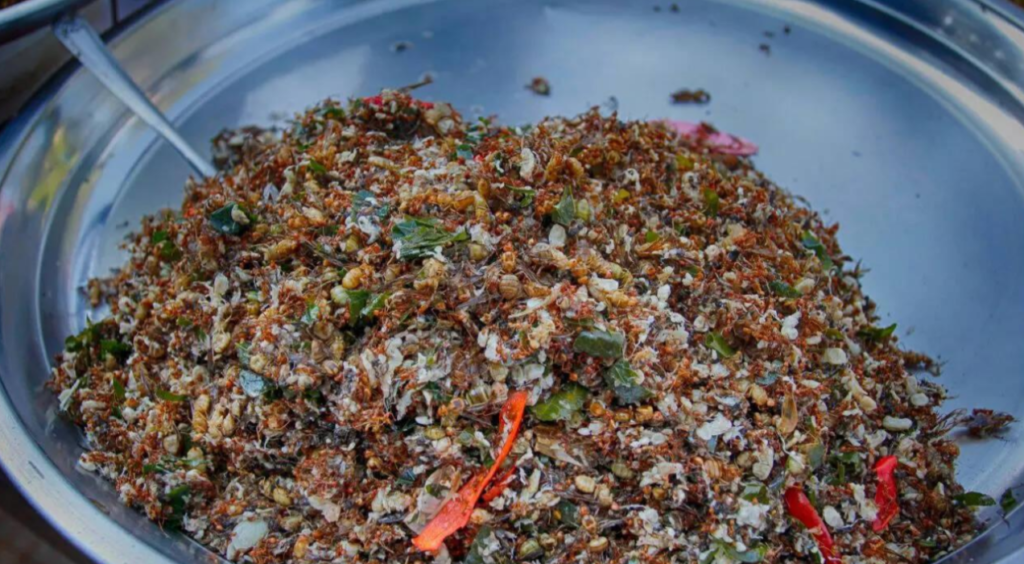
Red ant chutney-making is somewhat different in different communities, but the ingredients and methods used are not overly complicated.
The ingredients that are used to make Red Ant Chutney are listed below:
Traditional preparations may include:
- Red weaver ants and their eggs or larvae
- Garlic
- Ginger
- Green or red chillies
- Salt
- Mint or other locally available herbs
- Mustard oil in certain variations
The ingredients are normally milled using a traditional stone grinding mill, and the product is a coarse or smooth paste. It is normally eaten fresh and served with the usual meals.
What Does Red Ant Chutney Taste Like?
The unique sour, tangy, pungent and spicy taste of red ant chutney is a unique aspect. The sharpness is due to naturally occurring acidic compounds in the ants, and garlic, chillies, and herbs add some depth.
Personally, this is quite intriguing to me as the flavour balance of the mixture is acidity combined with heat, somewhat similar to the tamarind or other sour-based traditional chutneys. The red ants, however, add a unique flavour to this preparation, making it a unique and gorgeous combination over and above the typical Indian chutney.
Nutritional Value of Red Ant Chutney
The nutritional value of red weaver ants has been of interest. Protein, amino acids, minerals (iron, calcium and zinc) and vitamin B12 are reported in research and regional food documentation.
Historically, forest foods have helped to provide dietary diversity and nutrition for many indigenous communities. Traditional beliefs around health and wellbeing are also linked to red ant chutney, but should not be assumed to be a scientifically proven medical benefit.
I think the nutritional part of this traditional delicacy is even more interesting. It asks us to think about the way communities have adapted to the food available in their local area over time to help fill their diet with the food that is available.
Cultural Significance of Red Ant Chutney in Odisha
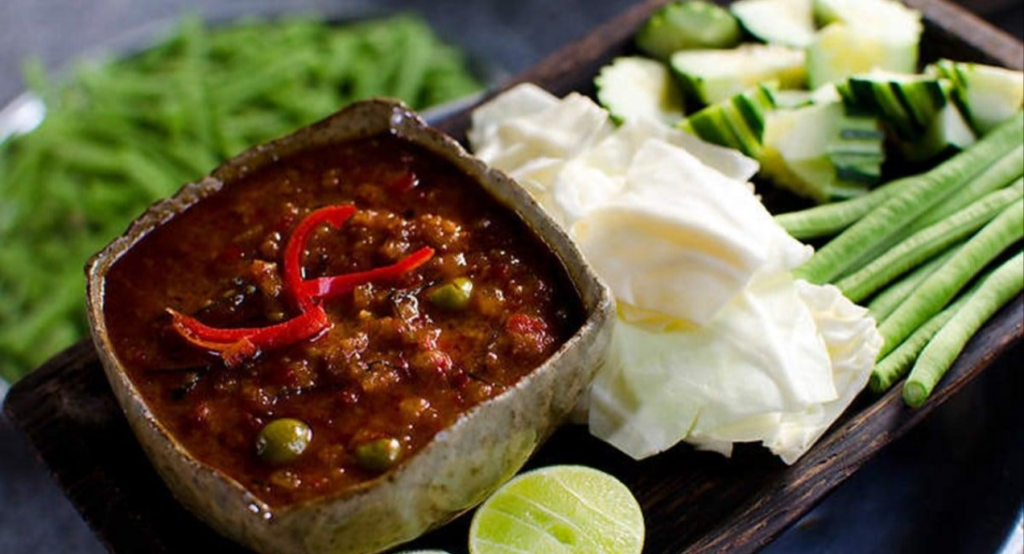
Red ant chutney has a strong correlation with the indigenous people’s food culture of Odisha, especially in Mayurbhan district.
Thanks to the knowledge passed down by generations, the art of recognising edible ants, harvesting them from the forest trees and preparing them by traditional methods is known. The preparation also helps to boost the local livelihood by selling collected ants and prepared chutney in the regional market.
The first major recognition was when Similipal Kai Chutney was registered as a Geographical Indication (GI) Tag in January 2024. This recognition highlights its regional identity and connection with the traditional knowledge and food culture of Mayurbhanj.
It is particularly poignant to me when it’s me that’s being recognised, because it is a tradition that goes back long before it became popular. It also celebrates the efforts of the indigenous communities in preserving the diversity of food heritage in India.
Is Red Ant Chutney Safe to Eat?
Red ant chutney is a traditional food item of ant collectors that is prepared and eaten in local areas. But Wild Insects must be identified, handled and prepared safely.
Red weaver ants can sting you and emit irritating chemicals. An allergic response is also possible in individuals who suffer from insect allergies. Hence, the collection of not known ants or its preparation without knowledge is not recommended.
All those interested in trying this delicacy should get it from an established source that is well informed about the traditional food preparation and safe handling methods.
Conclusion
Red ant chutney is an intriguing traditional Indian dish that embodies unique tastes, indigenous wisdom, nutritional value, and cultural heritage. The unique ingredients and association with the forest communities of Odisha make it a unique example of Odisha’s regional cuisine.
To me, the catch with Kai chutney is not so much the fact that it contains such an unusual component, but how it is made. It reminds us of the geographies, cultures, creativity, and generations of knowledge that create food. The most fantastic gastronomy can be found within centuries-old traditions.
About the Author