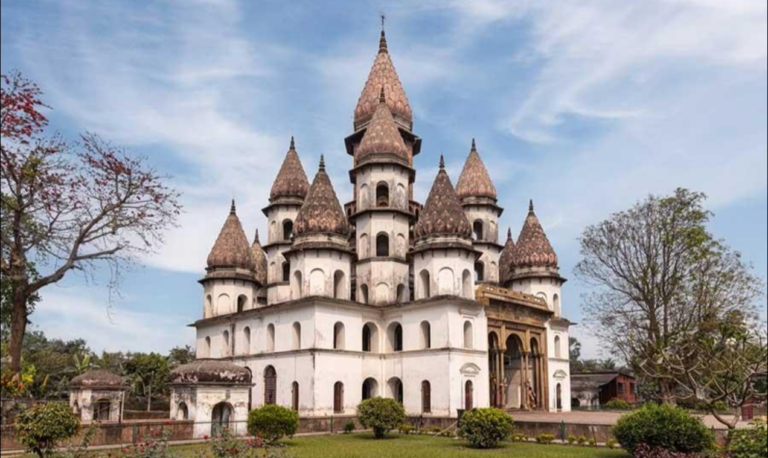

Gour, or Gaur/Gauda, is one of the most historically interesting places in West Bengal. This once-thriving city, which was an important political hub during the medieval period, is close to the India-Bangladesh border in Malda district. Today, its glorious gateways, old mosques, ruined fortifications and towering monuments provide a glimpse of its glorious past, which it is slowly reclaiming from nature.
To me, what is so interesting about Gour is its majestic architecture and its rural Bengal environs. Gour is a place where one can enjoy history at a leisurely pace amongst greenery, mango orchards and open landscapes, in contrast to the tourist hotspot of overcrowding. For those who are thinking of taking a heritage trip in 2026-27, a visit to the historical landmarks around Gour and Malda may be a memorable experience.
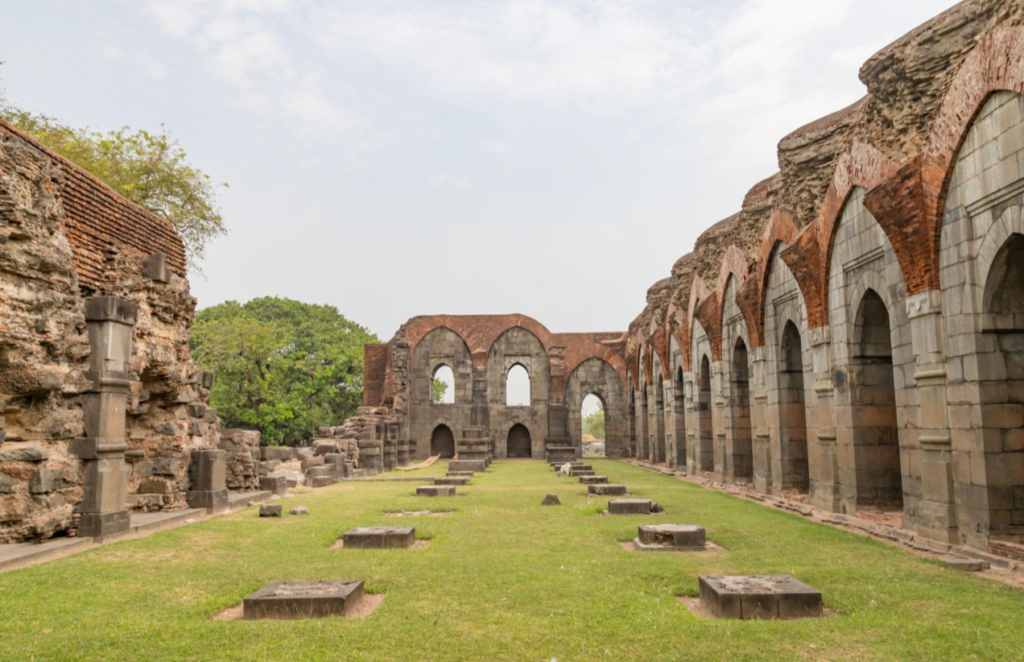
1. Boro Sona Mosque (Baroduari Mosque)
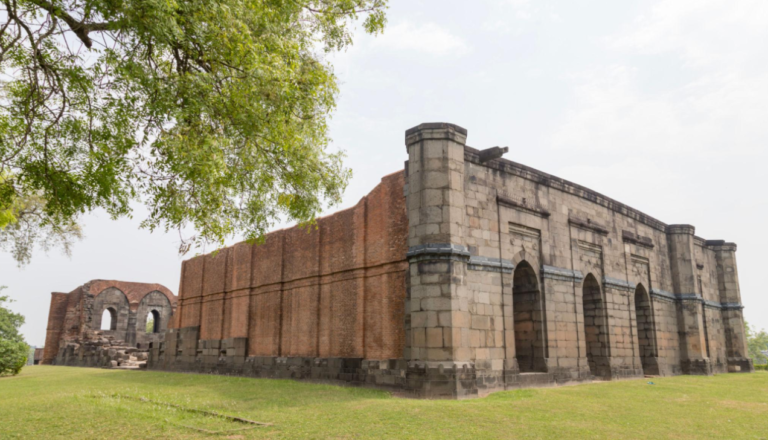
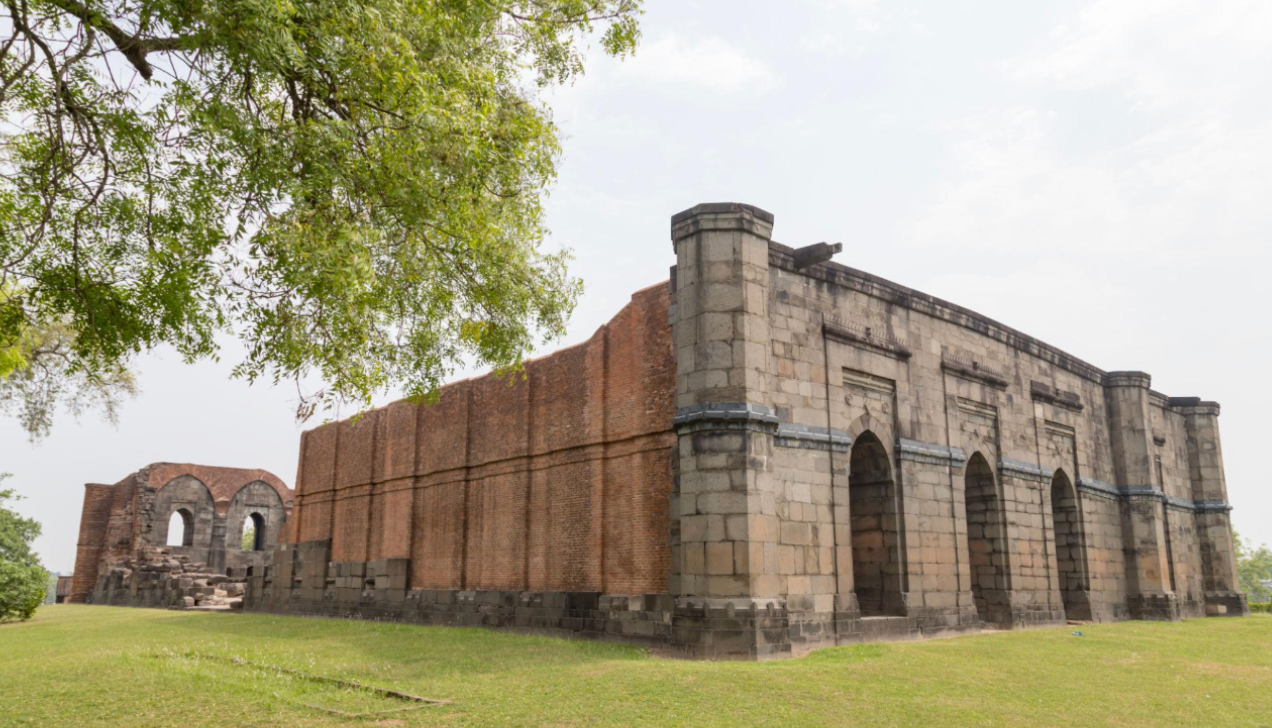
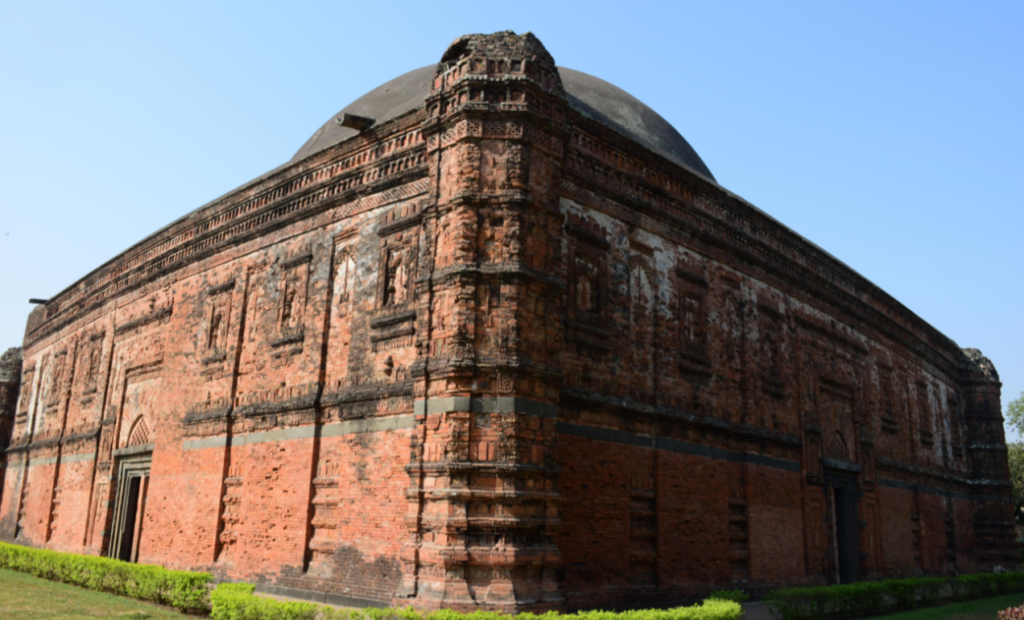
Boro Sona Mosque or Baroduari Mosque is one of the most interesting monuments of Gour. This is a historic mosque near Ramkeli, associated with the time of the Sultanate of Bengal, which is very famous for its size, stonework and spaciousness.
However, as its name suggests, the mosque does not have the golden appearance that it is said to have had when it was constructed. The rest of its architectural features, however, still convey the splendour of the city in its heyday.
I think that what is so interesting to me about this monument is the scale and simplicity of it. However, it is not overly decorated, and its overall design and historical vibe make it a remarkable sight for architecture buffs and history enthusiasts alike.
2. Darwaza – The Grand Gateway of Gour
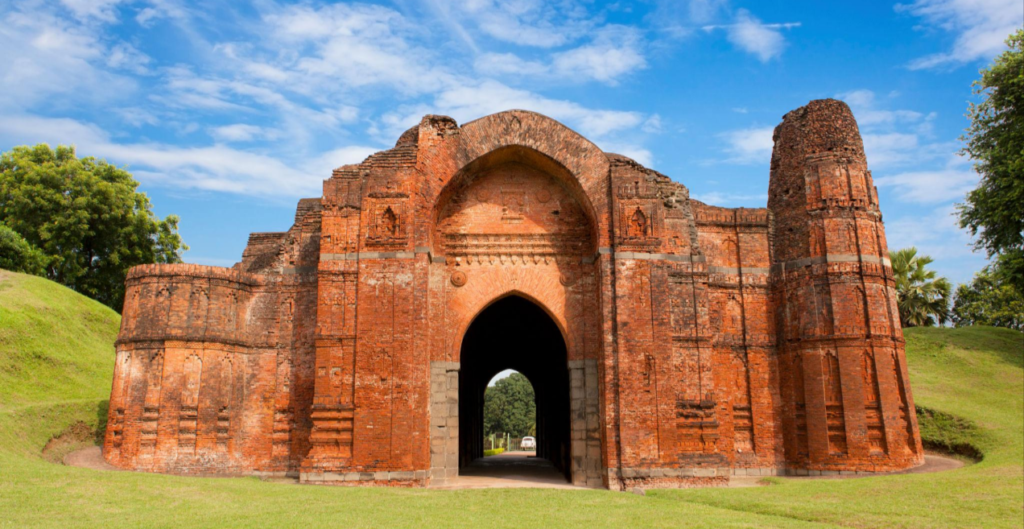
The Dakhil Darwaza is one of the most recognisable landmarks of Gour. This lofty brick gateway was erected in 1425 and was formerly a chief entrance to the fortified city. The massive construction, arched passages and defensive architectural aspects are a reflection of the engineering skills of medieval Bengal.
It is also popularly known as Salami Darwaza. Visitors to this massive gateway can visualise the army, officials and people moving into the city through the passageways.
This is particularly fascinating to me because the gateway remains so visible, after being abandoned for so many years. This is a reminder that historic buildings can still hold their heads high and visual force, even after their cities have vanished.
3. Firoz Minar – A Tower Above the Ruins
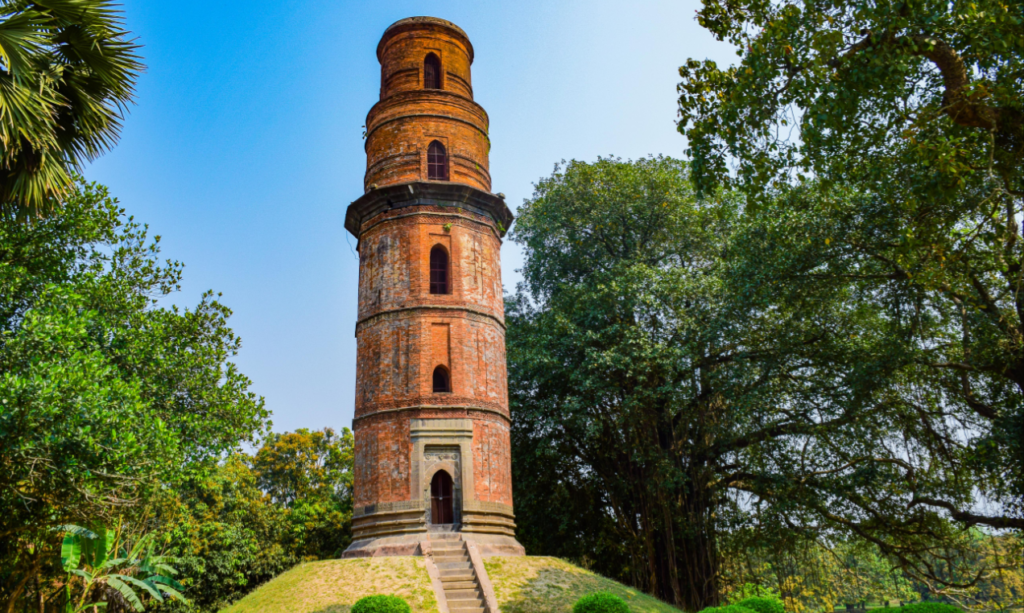
Five-storey, it’s a tower that stands out in the historic Gour area, Firoz Minar. It was constructed in the late fifteenth century during the reign of Sultan Saifuddin Firuz Shah, and is sometimes likened to the famous Qutub Minar in terms of its tall tapering shape.
The building material used to build the tower is mostly brick, and the architectural style is characteristic of the Bengal Sultanate. It has an interesting position in the midst of the ruins, making it a good landmark to help in the exploration of Gaur.
Firoz Minar is one of the most photogenic attractions of the region, in my opinion. It’s quite steep in the middle compared to the flat terrain, and it’s an amazing place to pause for photos for photography lovers and anyone interested in medieval architecture.
4. Chika Mosque – An Architectural Mystery
Another must-see historical site near Gour is the Chika Mosque (Chika Masjid/Chamakti Masjid). It was erected during the Sultanate period in the belief of being built in 1475 by Sultan Yusuf Shah.
The monument’s architectural expression and its link with the historical development of Gour are the main reasons why it is known. It is said to have been used by “small animals”, and its name is associated with them.
I have great respect for monuments such as Chika Mosque, which aren’t the same level of famous in the visual realm as the larger structures, but can still be an equally fascinating look into the architectural history of the region.
5. Luko Churi Gate – The Gate of Hidden Stories
The Luko Churi Gate, or Lukochuri Darwaza, is a beautiful historical gate located near the Kadam Rasul complex. The name means roughly hide-and-seek gate and thus is one of the most interesting monuments in Gour.
The structure is related to the later phase of the history of the region and is traditionally connected to Shah Shuja. The passages and brick architecture are also interesting in contrast to the more massive Dakhil Darwaza.
This is definitely one of the monuments that I would include in my heritage photography trip! The passages, architectural features, and old-world feel make it an interesting place to explore carefully and appreciate beyond a quick photo.
6. Ramkeli – A Village with Religious and Historical Importance
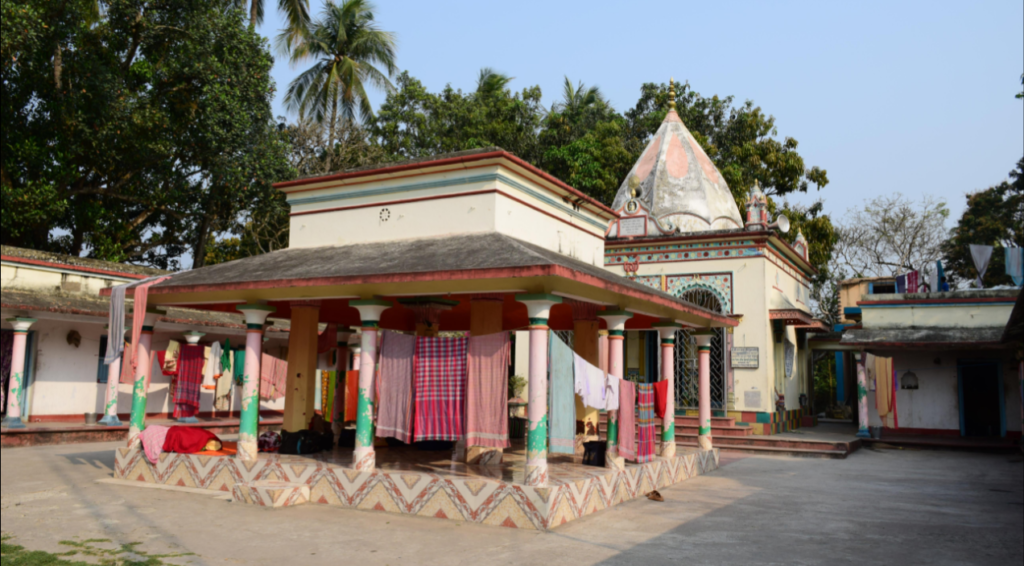
Ramkeli is an old village situated in the south of Malda town, en route to Gour. The village is closely related to Sri Chaitanya Mahaprabhu and the religious history of Bengal. It is significant to the Vaishnavites as a pilgrimage site.
Ramkeli is a bonus to a Gour sightseeing trip due to its peacefulness, the religious sites and traditional village atmosphere.
The inclusion of Ramkeli in a trip is interesting to me because it is an addition of cultures. Both present visitors with a glimpse of medieval political and architectural history, but Gour offers a grittier and more warlike experience while Ramkeli offers a more spiritual and peaceful one.
7. Adina Mosque and Eklakhi Mausoleum – Explore the Heritage of Pandua
Pandua may not be in Gour, but it is certainly one of the best places to visit when touring Malda heritage. The Adina Mosque, which was constructed during the reign of Sultan Sikandar Shah in the 14th century, was once one of the biggest mosques in the Indian subcontinent.
The Eklakhi Mausoleum, which is located nearby, is also known for its elegant brick building and unique dome. The monuments together illustrate the diversity of architecture and history of medieval Bengal.
I think Adina Mosque is a special one to highlight, as it leaves the visitor with an impression of the scope and ambition of the architecture of the Sultanate of that time. If you have time, I’ll suggest spending a whole half day in Pandua, rather than rushing through it.
Planning Your Gour and Malda Heritage Trip
- Best time to visit: October to March, when the weather is generally more comfortable for outdoor sightseeing.
- Nearest railway station: Malda Town, which serves as a convenient base for exploring Gour and Pandua.
- Local transportation: Cars, auto-rickshaws and local transport can help cover monuments spread across the region.
- Suggested duration: One full day for Gour and another day for Pandua and nearby attractions, depending on your pace.
- Travel tip: Carry drinking water, comfortable walking shoes, sun protection and identification, as Gour is close to the international border. Respect monument restrictions and follow local guidance.
Conclusion
Gour is not just a repository of old monuments, but a place where one could see the history of Bengal through architecture, landscapes and cultural traditions. Each location brings forth a part of the region’s history, from the imposing Dakhil Darwaza to the impressive Firoz Minar and the tranquil village of Ramkeli.
Personally, I feel that Gour should be treated like any other place, at a leisurely pace. Don’t forget to admire the brickwork, explore the ruins, enjoy the countryside and visualise the city as it was. If you’re looking for a fulfilling historical experience in West Bengal for the coming year 2026–27, then Gour and its environs will be quite an unforgettable experience.
About the Author