

Introduction
Cricket is a very popular sport that is played and followed by millions of fans across the globe. From the dynamic Test matches to the high-speed T20 games, the sport brings together nations in healthy competition. At the head of international cricket, we have the ICC, which is in charge of fair play and the growth of the game. But what is the ICC, and what role does it play in cricket? We will look at the full form, history, and functions of the ICC in detail.
Full Form of ICC
The full name of ICC is the International Cricket Council. As we see from the name, it is the global body that has been put in place for the administration, and which also looks after the worldwide game of cricket. From setting the rules to running major tournaments, the International Cricket Council plays a key role in the growth of the sport.
Brief History of the ICC
At that time, the main issue was the regulation of cricket matches between these countries.
In 1965, what we see is the rechristening of the entity as the International Cricket Conference, which in turn reported the growth in membership of countries playing cricket, which went beyond the British Empire. Also in ’89, the name changed to International Cricket Council, which is the name the body still goes by today. Over the years, what we have is the ICC growing into a global body that has over 100 members, including full members that play Test cricket and associate members, which in turn run the game at a developing level.
Structure and Membership
The ICC has its base in Dubai, United Arab Emirates. It includes full members and associate members.
Full Members: These include countries that play Test cricket, like India, Australia, England, South Africa, and a few others.
Associate Members: These countries may not have fully developed their cricket structures, but they do participate in the ICC tournaments. New Zealand, the U.S., and the Netherlands are examples.
The council is headed by a Chairman, a Chief Executive, and members from each of the member boards. They, in turn, are the ones who put forward the key decisions on rules, tournaments, and international matches.
Key Roles and Responsibilities
The ICC plays many functions to promote fair play and the growth of cricket all over the world. Among which are:.
Setting the Rules: The ICC puts in place and revises the rules, which in turn keep the game fair and exciting.
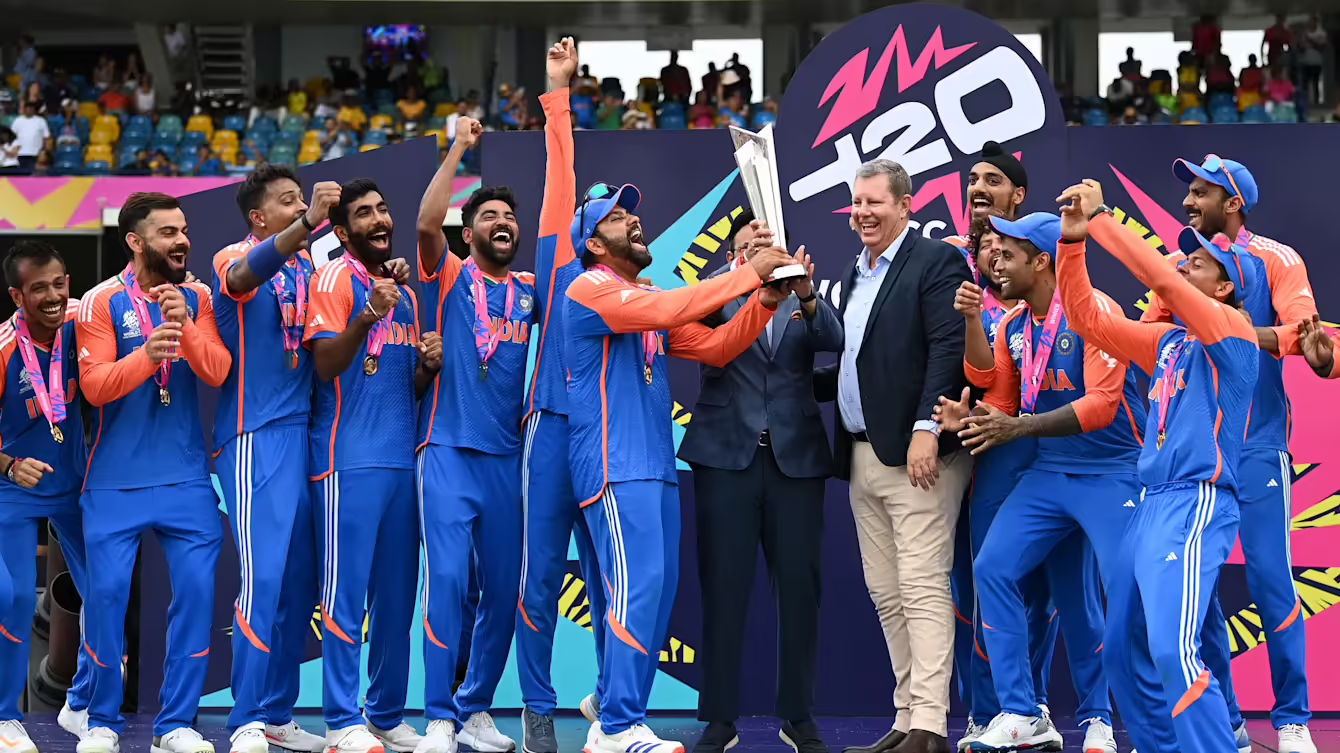
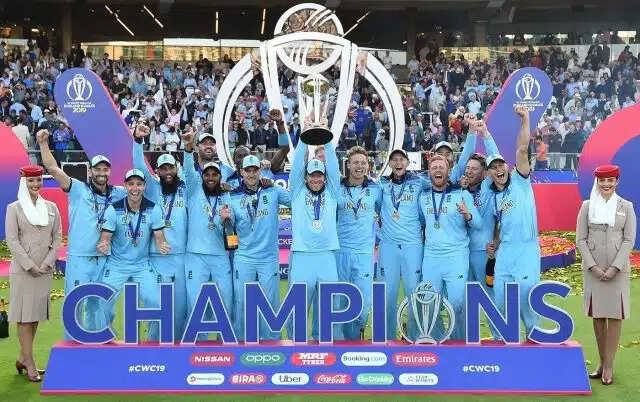
Organizing Tournaments: It also puts together the ICC Cricket World Cup, T20 World Cup, Champions Trophy, and World Test Championship.
Promoting the Game: The International Cricket Council is working to grow the game in non-traditional cricket-playing nations through development programs.
If we did not have a main governing body, we would see that it is hard to guarantee fair play, standardized rules, and provide a platform to emerging nations. The council’s role in women’s cricket development, in bringing in new formats like T20, and in engaging the youth has improved the sport’s global appeal.
Conclusion
The International Cricket Council (ICC) is a term well beyond that of an administrative body; we see the ICC as the base of world cricket. From its inception as the Imperial Cricket Conference to the present day, which sees the ICC in the seat of power in global cricket, the ICC has played a key role in making cricket the sport that is so beloved today. Through the organization of large-scale tournaments, the enforcement of rules, and the development of talent, the ICC is a force that ensures the spirit of cricket lives on for generations to come.
About the Author