
Traditional Manipuri Bridal Jewelry
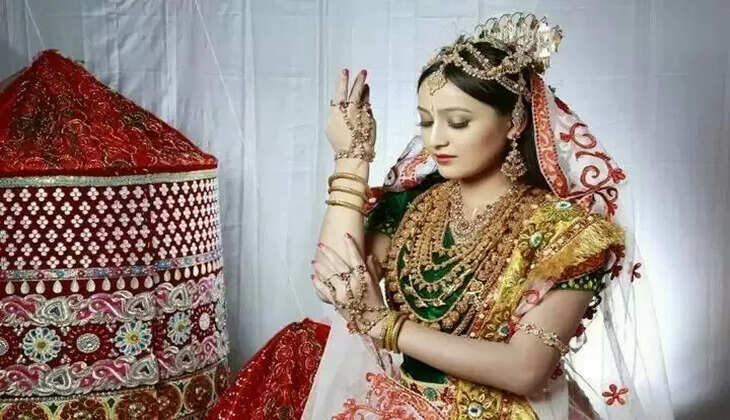
Manipur, as a very colorful state in the Northeast of India, is known for its rich culture, classical dance forms, which are very much a part of it, and also very symbolic customs. In this culture, which is very much a part of their lifestyle, the Manipuri bridal jewelry stands out in its own right. More than just decorative pieces, they are a representation of the spiritual and the social; they are a tie to the family’s past. For a Manipuri bride, putting on her traditional jewelry on the day of her marriage is a very meaningful ritual that, in a way, connects her to the heritage of many generations.
Gold in the Manipuri Weddings’ culture
Gold in Manipuri culture is highly regarded. It is a symbol of purity, prosperity, and divine blessings. In the case of bridal jewelry made from gold it is thought to protect the bride from negative energy at the same time to bring about happiness and stability in married life. Also, these ornamental pieces are handed down through generations, which in turn fortifies emotional and cultural ties.
Likchow: Classic Bridal Necklace
In the collection of Manipuri bridal jewelry, one of the most notable is the Likchow necklace. This decorative piece is made up of many layers of very small gold beads, which form a cone shape and are placed around the neck in a beautiful design. At times, it is enhanced with gems, which in turn present a picture of the wearer’s wealth, status, and tradition. With its bold yet at the same time elegant look, the Likchow is the focal point of the bride’s outfit.
Heibi Mapal: Jewelry from Nature and Faith
Another important ornament is the Heibi Mapal, a thick gold necklace that is an outgrowth of the Heibi plant that plays a large role in Manipuri folklore. It is thought that the necklace has protective qualities and brings fortune to the bride who wears it. The Heibi Mapal is a combination of nature, faith, and artistry, and it represents the very tight bond that exists between Manipuri heritage and the spiritual. Also, the community of Manipur uses the Heibi Mapal to pass on their beliefs from one generation to another. The design of this piece is a beautiful expression of their cultural fabric and religious ideas.
Khownappi Earrings: Grace in the Full Sense of the Term
In Manipur, Khownappi earrings are a traditional choice for brides. These often have very detailed floral or geometric designs and may also include little dangles. They are put on to complement the bride’s wear but do not overtake it, and instead bring out the beauty of the face, which in turn plays up femininity and grace.
Kharu Bangles: Indicators of Marital Status
Kharu is a traditional gold bangle that is generally worn in pairs. While they may not be as ornate as necklaces, Kharu bangles are very symbolic. They indicate a woman’s marital status and are worn at weddings and other important ceremonies. Their delicate beauty balances out the overall bridal look.
Additional Ornaments and Regional Variations
Apart from necklaces, earrings, and bangles, what is also a part of a Meetsi bride’s adornment are head ornaments and armlets in some communities and families’ traditions. Although there is variation in style, what we see in all is an element of simplicity, elegance, and symbolism.
Tradition in the Modern Era
In today’s world, Manipuri bridal jewelry has evolved to fit modern tastes. We see that jewelers are making lighter and more adaptable versions of the traditional designs, which, at the same time, preserve their cultural identity. Although we have seen changes in the jewelry’ look, we note that the emotional and symbolic value of the pieces has been maintained.
Conclusion
Traditional Manipuri bridal jewelry is in a different league of ornamentation. It is a living embodiment of faith, heritage, and identity. Each piece is a story of ancestry, belief, and cultural pride, which in turn sees the bride not just beautiful in the sense of how the pieces adorn her, but also very much at the root of the culture as she takes forward into a new stage of life.