

Top 10 Most Educated Queens of India Till 2025
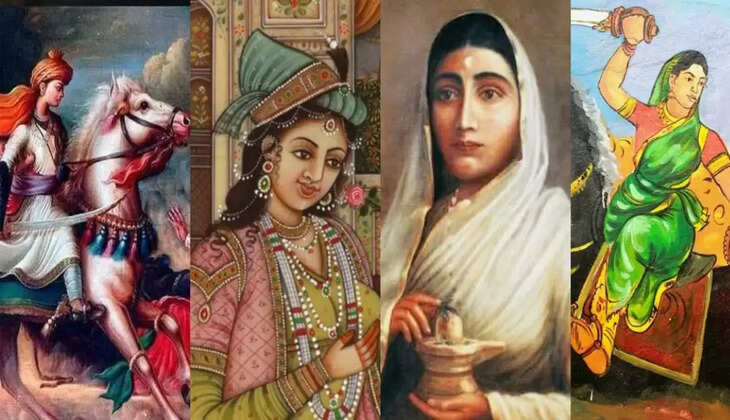
Indian history is filled with the stories of powerful queens, who also served as they were not just valiant and able, but also, for the most part, very well educated for their time. They ruled over their own kingdoms, gave advice to the emperors, headed armies, and also played a major role in cultural and administrative affairs with their intellectual contribution. At a time when female education was a rare thing, these queens stood out as an example of what knowledge, leadership, and progressive thinking should be. This article brings to light ten of the most learned queens in Indian history, who continue to be sources of inspiration to many.
1. Ahilya Bai Holkar
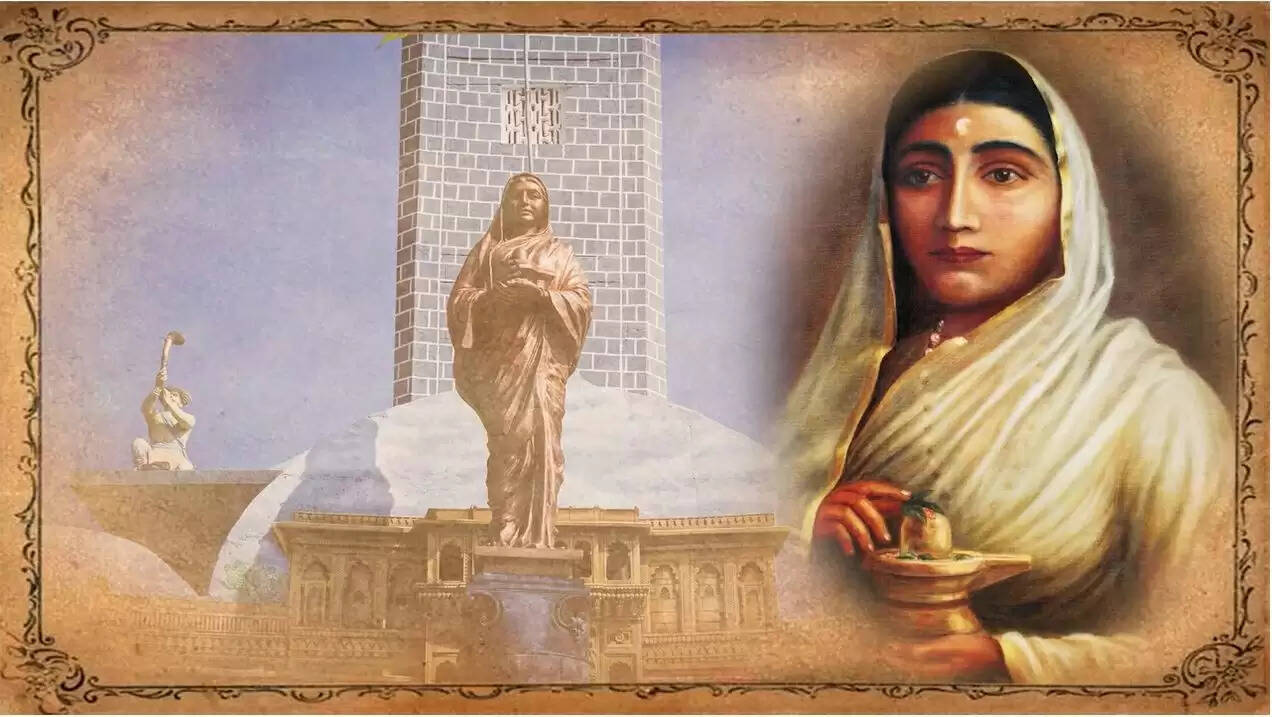
Ahilyabai Holkar, that which is the great queen of Malwa, was brought up in the study of Sanskrit, Marathi, and Hindi. It is known that she had a great grasp of philosophy, governance, and law, which in turn helped to put in place one of the most just and stable governments in Indian history. Also, she did work in the field of education, had a hand in the rebuilding of temples, and did a great job in social welfare, which in turn won her great respect from her people.
2. Nur Jahan
Noor Jahan, the Mughal Empress, was a woman of many talents in her time. She spoke Persian, Arabic, Turkish, and Hindi fluently and also had in-depth knowledge of politics, poetry, and administration. Also very much a part of the political structure, she issued royal orders and was a key player in imperial decision-making.
3. Queen of Jhansi
Rani Lakshmibai was versed in languages like Sanskrit, Hindi, and Urdu in addition to military tactics and administration. Her education, which included in depth study of the above subjects, also played a key role in her leadership in the 1857 revolt. Also, she combined the intellectual and the physical to become a great example of a resistant and patriotic figure.
4. Rani Chennamma from Kittur
Rani Chennamma studied in the fields of statecraft, diplomacy, and warfare. Her incisive political acumen, which she put to use in her struggle against the British, was well before the national freedom movement picked up pace. She is known for her brilliant strategy and bold leadership.
5. Rani Padmini
The Queen of Gondwana, Rani Durgavati, spoke fluently in Sanskrit and Persian and had in depth study of military strategy. She was educated well, which enabled her to rule efficiently and do valiantly in defense of her kingdom against foreign invasions, which in turn made her one of India’s most respected warrior queens.
6. Rudramma Devi
Rudrama Devi, a member of the Kakatiya dynasty, was educated in administration, war, and economics. Like a prince, she was trained, which she put to use to great effect as queen, in which she strengthened her kingdom’s defenses and saw to political stability.
7. Queen Gayatri Devi
Maharani Gayatri Devi is a present-day royalty who used to cultivate in England and Switzerland, where she received her formal education. Out of that experience grew a very progressive worldview. She then got into Indian politics and did much work for women’s rights, education, and democratic values.
8. Rajya Sultan
Razia Sultan, whowas the first to see a woman in the seat of power in the Delhi Sultanate, was raised in the military, administrative, nd political aspects of statecraft. Her training broke her from the traditional gender roles and enabled her to rule with independence, which in turn left a large-scale impact on the course of medieval Indian history.
9. Rani Padmini
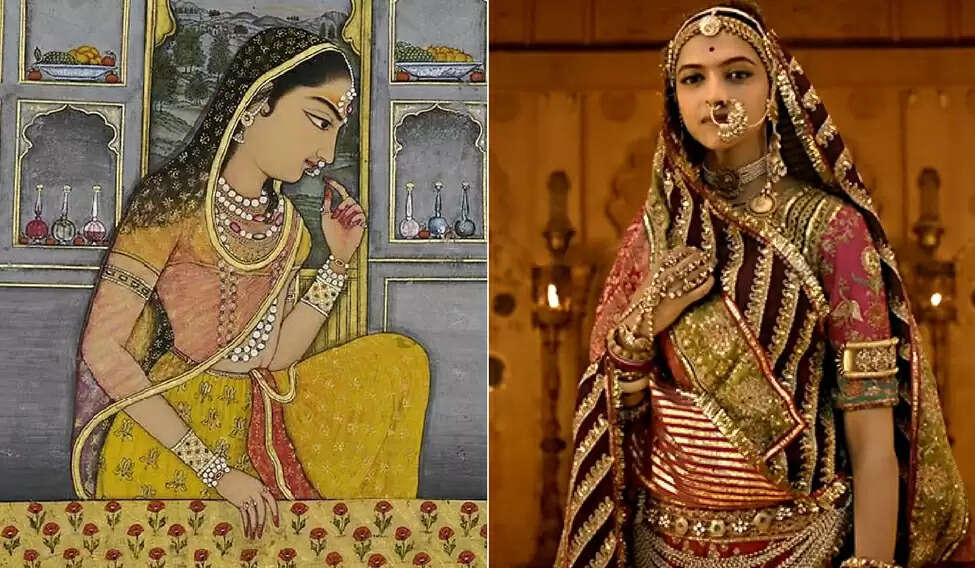
Through legend, mainly known but also for her wisdom, cultural refinement, and strategic thought, which is Rani Padmini’s hallmark. She is the personification of the learned and dignified leadership put forth by Rajput queens.
10. Jahanara Mahbubul Hossen
Jahanara, also born to Shah Jahan, received an education in literature, religion, and politics. In the Mughal court, she became a key player in diplomatic affairs, which also saw royal women take on the role of intellectuals and politicians, although they did not hold the title of rulers.
Conclusion
Which of India’s did break social norms and put forth that which is great, is education. Their lives, which, of note, how study changed governance, resistance, diplomacy, and culture. Even now, we see in them the proof that power is in wisdom, learning, and vision.