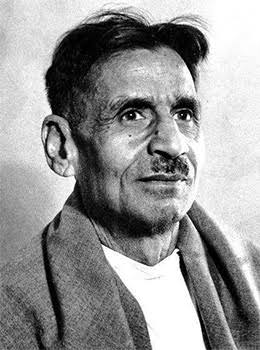
Dhumketu

Gujarati literature has seen great writers, but among them Dhumketu has a very special place for what he did for the short story, which he raised to a very powerful literary form. Known for his emotional touch, memorable characters, and vivid pictures in his descriptions, he told stories that probed into human relationships, social inequalities, and everyday life. Even in 2026, his work is what many readers turn to who have an interest in the rich regional literary traditions of India.
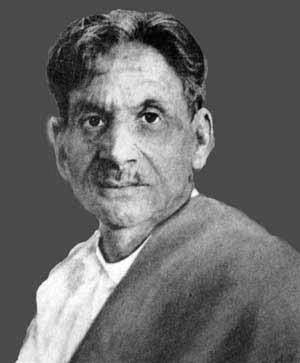
Who Was Dhumketu?
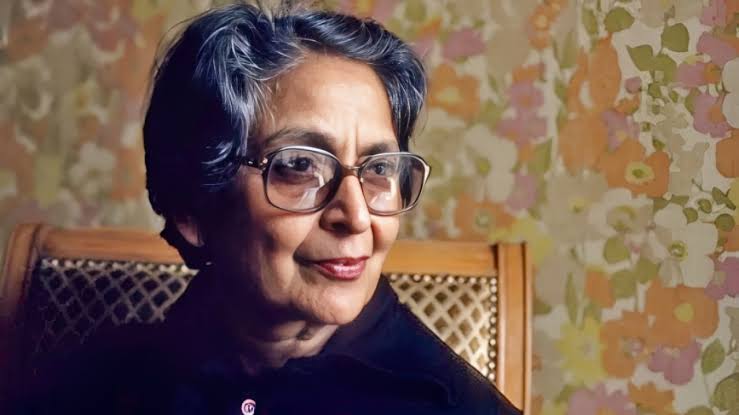
Dhumketu was the pseudonym of Gaurishankar Govardhanram Joshi, who was born on December 12, 1892, in Virpur, Gujarat. At the turn of the 20th century, he became a pioneer of modern Gujarati short fiction. His body of work went beyond short stories to also include historical novels, social novels, plays, travelogues, and memoirs.
In 1926, the release of Tankha, which is his first short story collection, was a turning point in Gujarati literature. Also, through his work, he broke new ground which was the expansion of the range of characters included in literature, which before this were from very different social strata, and brought them to the fore.
What Makes His Stories Magical?
Dhumketu’s magic as a storyteller is in his ability to take everyday situations and turn them into very moving stories. Instead of relating to out-of-the-ordinary events, he looked at common emotions like love, loneliness, hope, sacrifice, and longing.
His characters are everymen, which in turn reflect social issues of our time, thus allowing readers to see themselves in his work from one generation to the next. Also, he is known for his rich use of language and detail, in which he combines deep emotion with very thought-out narrative structures.
One of his noted works is The Post, which tells the story of a senior father going to the post office, which he hopes to receive a letter from his daughter. The story looks at issues of parent-child relationship, isolation, and the human desire for contact. Also, its emotional quality, which appeals to many, has made it popular beyond the Gujarati reading public.
Another of his famed works, Ratno Dholi, which he uses to present village life, personal relationships, and the issues that social division brings up.
Dhumketu’s Literary Legacy in 2026
Dhumketu’s legacy goes beyond what is in his individual stories. He played a role in making the short story a respected literary form in Gujarati and served as a mentor to later poets. Also, his works have reached out to international readers through English translations, which include collections that he did with Jenny Bhatt.
His stories are relevant today as they look at issues of the heart and social issues which still play out in our lives. Readers may find his work in Gujarati versions and translated collections.
Conclusion
Dhumketu’s stories still put forth the idea of simple yet very effective storytelling. What he brings to the table is the skill to capture human emotions, present social realities, and to develop characters that stand the test of time, which in turn has secured his place in Indian literature. In 2026, we see the chance for readers to look into the depth and beauty of what Gujarati storytelling has to offer through his work.
About the Author