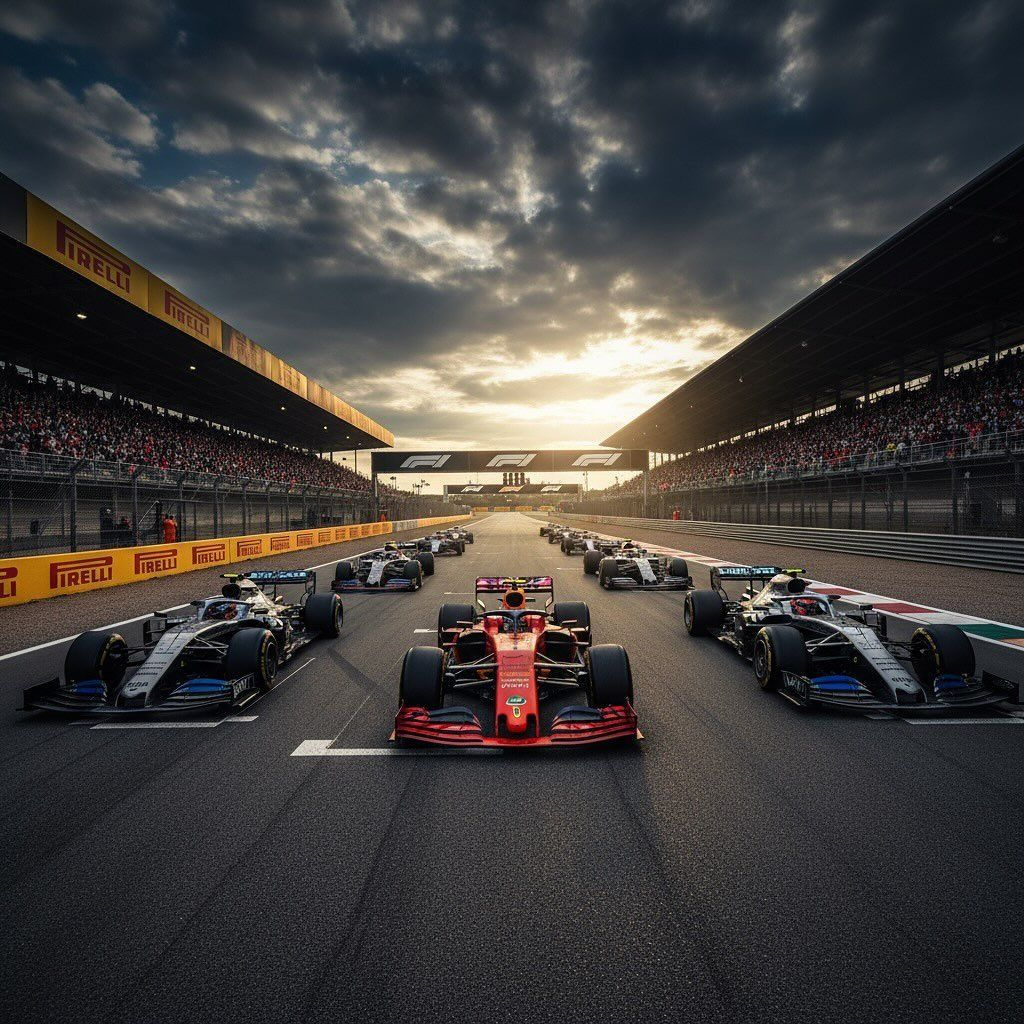
Formula 1 has undergone a remarkable transformation in India over the past few years. Once considered a niche motorsport followed only by dedicated racing enthusiasts, the sport has now become a mainstream entertainment phenomenon among younger audiences across the country. Social media, streaming platforms, gaming culture, and digital content creators have all played a major role in introducing Formula 1 to a new generation of Indian fans who are increasingly fascinated by the speed, strategy, and technology associated with the sport.
This growing interest is no longer limited to watching races on television. Indian audiences are now looking for ways to experience motorsport culture more interactively. As a result, real-world racing simulator experiences are becoming increasingly popular in cities such as Delhi, Mumbai, Bengaluru, and Hyderabad. What was once viewed as a niche gaming activity has evolved into a premium entertainment category that blends gaming, technology, and motorsport culture into a highly immersive experience.
The rise of Formula 1 fandom in India is directly contributing to the demand for simulator-based racing experiences, and the trend appears to be accelerating rapidly.
The Formula 1 Boom in India
One of the biggest reasons behind Formula 1’s recent popularity surge in India is the accessibility of digital content. Streaming services and social media platforms have made it easier than ever for fans to follow races, team rivalries, and driver personalities throughout the season. Formula 1 has successfully positioned itself as more than just a sport; it has become a lifestyle and entertainment brand that resonates strongly with younger audiences.
Shows like Drive to Survive introduced millions of viewers worldwide to the drama and intensity behind Formula 1, and Indian audiences were no exception. The series helped transform casual viewers into dedicated fans by focusing on the human stories behind the teams and drivers rather than only the technical side of racing.
At the same time, Formula 1 content creators on YouTube, Instagram, and other platforms have contributed significantly to growing awareness in India. From race analysis videos to memes and gaming streams, F1-related content is now part of mainstream internet culture among Indian Gen Z audiences.
This increased visibility has naturally led fans to seek more engaging and interactive ways to participate in motorsport culture beyond simply watching races online.
Gaming Culture Is Fueling Motorsport Interest
India’s gaming industry has expanded rapidly in recent years. Mobile gaming initially dominated the market due to smartphone accessibility, but the gaming ecosystem has now evolved significantly. PC gaming, console gaming, esports tournaments, and gaming cafés are all becoming more popular among urban audiences.
As gaming culture matures, players are increasingly looking for realistic and immersive experiences. Racing simulators perfectly align with this trend because they combine gaming with real-world driving mechanics, competitive gameplay, and advanced simulation technology.
Unlike arcade racing games, modern simulators aim to replicate the feeling of actual motorsport competition. High-end setups include force-feedback steering wheels, racing pedals, motion systems, and professional simulator rigs designed to mimic real driving conditions. These systems create an experience that feels dramatically different from traditional gaming.
For Formula 1 fans, this level of realism is particularly appealing because it allows them to feel connected to the sport in a much deeper way.
Real-World Simulator Experiences Are Becoming Social Entertainment
Another reason behind the rise of simulator venues in India is the growing demand for social entertainment experiences. Younger consumers today are increasingly spending money on experiences rather than traditional forms of entertainment.
Interactive activities such as escape rooms, VR gaming, immersive exhibitions, and simulator experiences have gained traction because they offer something more engaging than passive entertainment options. Racing simulators fit naturally into this category because they combine competition, social interaction, and technology in a unique format.
Many young adults now visit simulator venues with friends as a group activity, much like bowling alleys or gaming cafés. Formula 1 race weekends have also become social events, and simulator centres provide fans with an opportunity to compete against each other while enjoying the atmosphere associated with motorsport culture.
This shift toward experiential entertainment is one of the key reasons why demand for racing simulator experiences is increasing in urban Indian markets.
The Influence of Esports and Competitive Gaming
The rapid growth of esports in India has also contributed to the popularity of simulator racing. Competitive gaming is no longer viewed merely as a hobby; it is increasingly recognized as a legitimate form of digital competition and entertainment.
Sim racing occupies a unique position within esports because it combines virtual competition with skills that closely resemble real-world driving techniques. Professional racing teams around the world have already embraced simulator technology for driver training and development, further increasing the legitimacy of sim racing as a competitive discipline.
Indian gamers who follow esports are becoming more interested in motorsport simulations because they offer a more technical and skill-based experience compared to many traditional racing games. Leaderboards, lap-time competitions, and online multiplayer events create an environment that appeals strongly to competitive players.
As awareness of sim racing grows, more Indian audiences are becoming interested in trying professional-grade simulators in physical venues rather than limiting themselves to home gaming setups.
Why Urban Indian Audiences Are Driving the Trend
The growth of racing simulator experiences is particularly noticeable in metropolitan cities where younger audiences have greater exposure to global entertainment trends. Cities such as Delhi and Mumbai are witnessing increasing demand for premium gaming experiences that combine technology with social interaction.
Urban consumers are now more willing to spend on specialized entertainment experiences, especially those that feel unique or exclusive. Motorsport-themed entertainment fits well within this trend because it combines aspiration, technology, and lifestyle appeal.
Formula 1 itself has become closely associated with luxury, innovation, and high-performance culture. Many fans are attracted not only to the racing but also to the overall image surrounding the sport. Racing simulators allow people to participate in that world in a more accessible and interactive way.
As a result, companies like Virtual Racing Hub are helping bridge the gap between digital motorsport fandom and real-world immersive experiences by offering professional simulator setups designed for casual fans, gamers, and racing enthusiasts alike.
Social Media Is Amplifying Interest
Social media has played a major role in accelerating the popularity of racing simulators in India. Simulator experiences are highly visual and naturally suited for platforms such as Instagram, YouTube, and TikTok-style content.
People enjoy sharing videos of themselves competing in Formula 1-style racing setups because the experience appears exciting, immersive, and technologically advanced. Influencers and gaming creators have also contributed to growing awareness by featuring simulator venues in their content.
This type of user-generated content creates additional curiosity among audiences who may not have previously considered trying sim racing themselves. As more people encounter racing simulator content online, interest in the experience continues to grow organically.
The combination of Formula 1 culture, gaming trends, and social media visibility has created an ideal environment for simulator entertainment businesses to expand in India.
Accessibility Is Improving
In the past, high-end racing simulators were largely inaccessible to most Indian consumers due to the high cost of professional equipment. Building a serious home setup often required a substantial financial investment that limited the hobby to a relatively small audience.
Today, physical simulator venues are solving that problem by making advanced racing technology accessible to a broader market. Instead of purchasing expensive equipment, users can experience professional-grade simulators at dedicated centres for a fraction of the cost.
This accessibility is helping introduce sim racing to people who may never have explored the hobby otherwise. Many first-time users become interested in motorsport simulation after trying a professional setup in a controlled environment.
As awareness grows, the market for simulator-based entertainment in India is expected to expand even further over the next few years.
The Future of Racing Simulator Entertainment in India
India’s entertainment landscape is evolving rapidly, and immersive gaming experiences are becoming an increasingly important part of that transformation. Formula 1’s growing popularity has created a unique opportunity for businesses operating at the intersection of gaming, technology, and motorsport culture.
Racing simulators are no longer viewed solely as niche gaming devices. They are becoming a mainstream entertainment experience that appeals to Formula 1 fans, competitive gamers, content creators, and casual consumers looking for something different.
As motorsport culture continues gaining momentum in India, demand for high-quality simulator experiences is likely to increase significantly. The combination of digital fandom, esports growth, social entertainment trends, and experiential gaming is creating strong long-term potential for the industry.
For many Indian fans, watching Formula 1 is no longer enough. They want to experience the thrill of racing for themselves, and simulator venues are making that possible in ways that feel immersive, competitive, and socially engaging.
About the Author