
UNESCO World Heritage Sites, which are recognized for their outstanding cultural, historical, scientific, and natural value. It is under the UNESCO World Heritage Program that these sites are protected and preserved for posterity. As a history and culture enthusiast, whom I indulge in through documentaries and travel blogs, I have always been drawn to how these sites serve as a link to the past civilizations’ achievements and to the beauty of nature. In 2026, it is worth noting that some UNESCO sites continue to attract millions of visitors from all over the world.
List of 20 UNESCO World Heritage Sites:
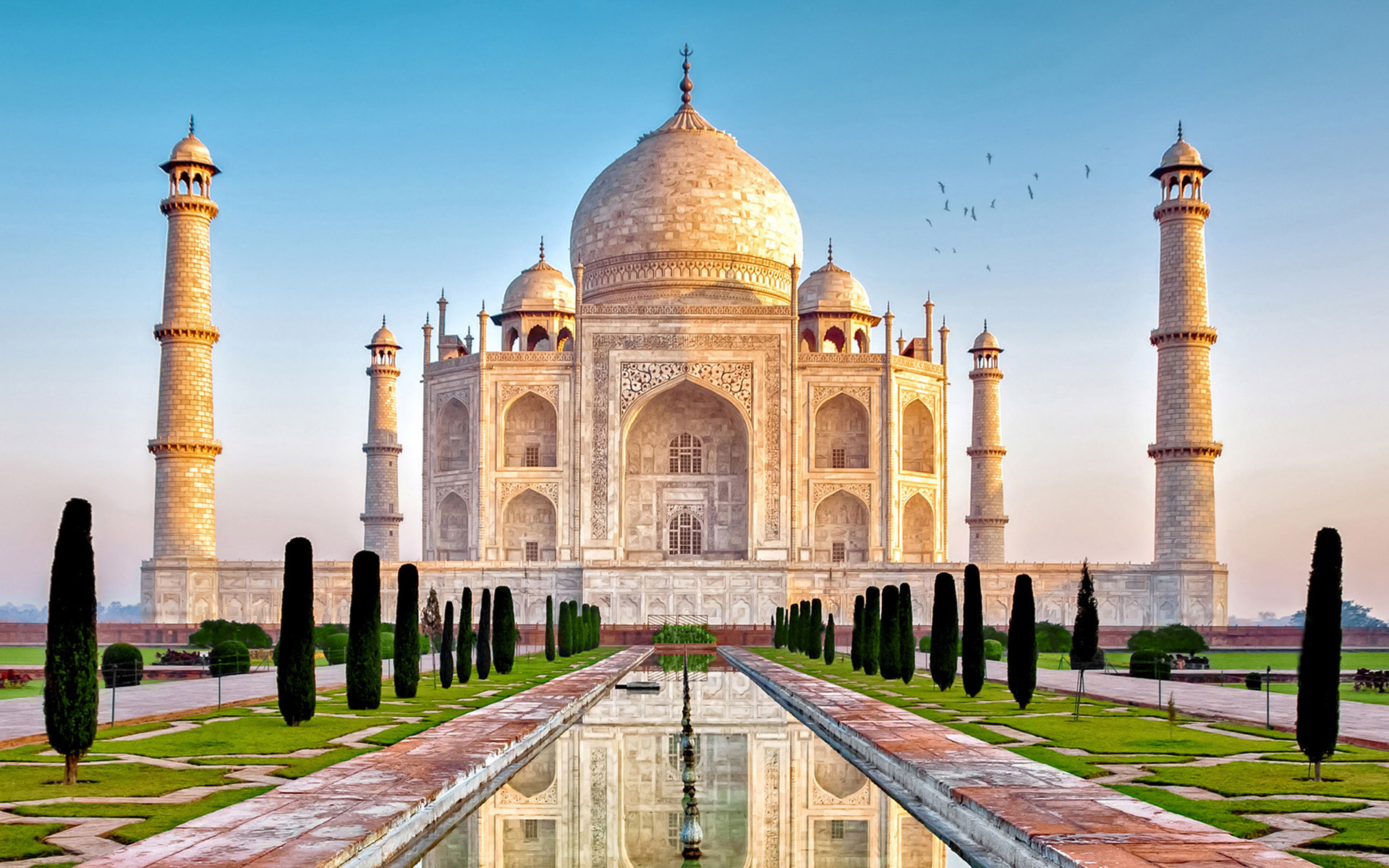
1. Taj Mahal, India
A symbol of love and also one of the Seven Wonders of the World, the Taj Mahal is known for its beautiful white marble architecture.
2. Agra Fort, India
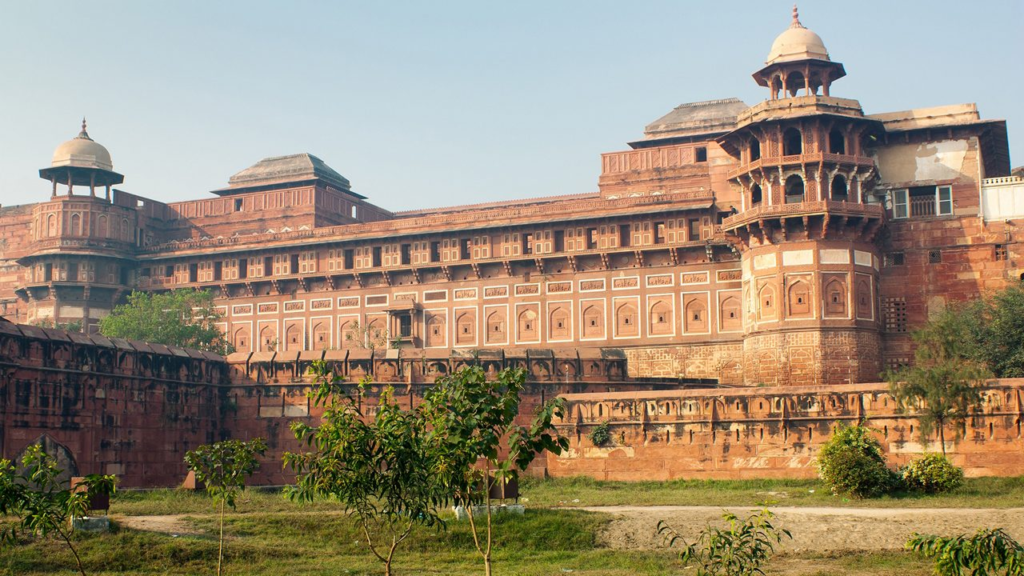
This great Mughal fortress presents royal palaces, audience halls and the past few hundred years of Indian history.
3. Ajanta Caves, India
In the domain of very old Buddhist art, these caves are known, which also present a great deal of India’s cultural past.
4. Ellora Caves, India
A great set of Hindu, Buddhist and Jain rock-cut temples.
5. Red Fort, India
In Delhi stands out the great Mughal fort, which is a symbol of the past that lives in present-day India.
6. Hampi, India
The Vijayanagara Empire’s ruins are a display of great architecture and urban planning.
7. Sun Temple, Konark, India
Designed as a massive stone structure, this temple is a fine example of Indian architecture.
8. Group of Monuments at Khajuraho, India
These temples are known for their detailed carvings and fine craftsmanship.
9. Mahabodhi Temple in Bodh Gaya, India
The site of Gautama Buddha’s enlightenment.
10. Jaipur City, India
Also known as the Pink City, Jaipur is a mix of royal heritage, planned architecture and vibrant culture.
11. Kaziranga National Park, India
Famous for the one-horned rhino, Kaziranga is a great story of wildlife conservation that we have in our books. As a native of Assam I’m very proud that this world-recognized gem is in my home state.
12. Sundarbans National Park, India
Home to the Royal Bengal Tiger and the world’s biggest mangrove forest ecosystem.
13. Western Ghats, India
A biodiversity haven which includes many endemic species and unique ecosystems.
12. Great Himalayan National Park, India
In the home of alpine meadows, glaciers and a great variety of wildlife.
15. Khangchendzonga National Park, India
A rare blend of natural beauty and cultural spiritual importance.
16. Ahmedabad, the historic city of India
India’s first city to be recognized by UNESCO, known for its cultural diversity and heritage architecture.
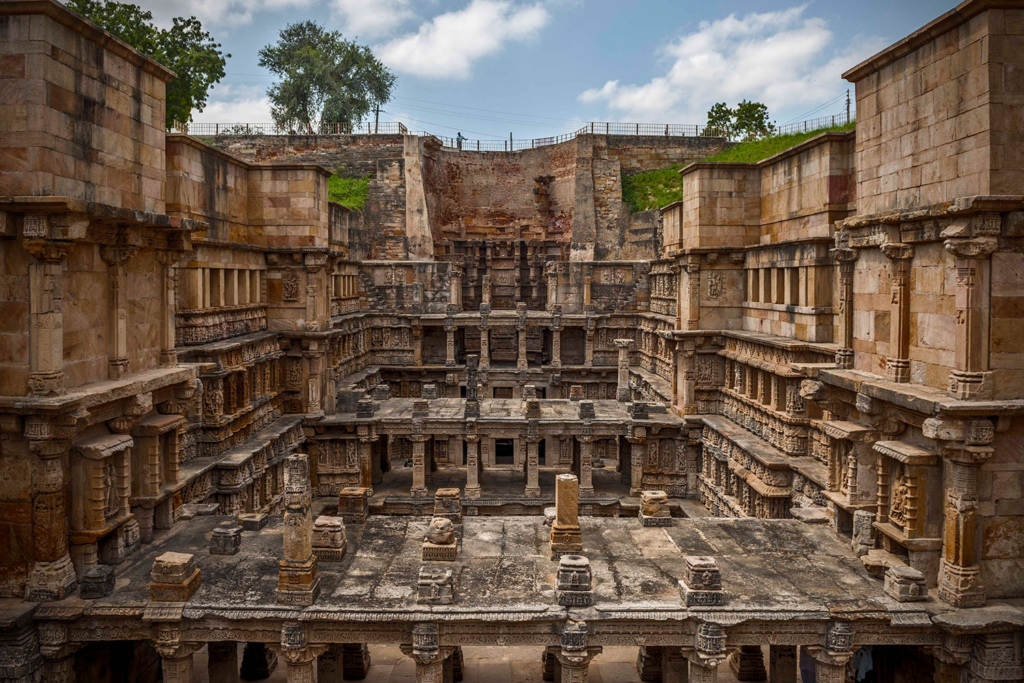
17. Rani Ki Vav, Gujarat
A great stepwell which also serves as a piece of living art with exceptional engineering.
18. Qutub Minar, Delhi
The greatest brick minaret in the world and a standout example of Indo-Islamic architecture.
19. Dholavira, Gujarat
One of the great archaeological sites of the ancient Indus Valley Civilization.
20. Ramappa Temple, Telangana
A marvel of Kakatiya architecture, which is known for its intricate carvings and advanced construction techniques.
Why These Sites Matter
UNESCO Heritage Sites, which are the keepers of our past’s stories, traditions and natural wonders. They put culture into perspective for us, they fuel tourism, and they are also the advocates for conservation all over the world. Also, these sites are living classrooms that present to us history, architecture, religion, and environmental protection.
Conclusion
In 2026’s batch of UNESCO World Heritage Sites, we see the great diversity of India’s heritage. From the eternal beauty of the Taj Mahal to the rich wildlife of Kaziranga and the ancient ruins of Dholavira, each site has a unique tale to tell. We protect these gems, which in turn we are preserving for the world to which we belong and for the generations to come.
About the Author