
In a world that is seeing great change at great speed, international security has become of greater importance than at any time in the past. For over 70 years, one body that has been at the forefront in terms of peacekeeping and stability is the North Atlantic Treaty Organization (NATO). As I prepare for competitive exams and follow along with the news regarding global affairs, I often see discussion of NATO’s role in large-scale international events. By looking into its structure and what it does, we are able to better understand modern geopolitical issues and global security issues.
What is NATO?
NATO as it is today was founded on April 4, 1949, when the Washington Treaty was signed. That first group of 12 countries which came together to form what is the present day NATO were the U.S., the UK, France, Canada, Belgium, along with a few others which included also the like of Italy and the Netherlands, which all came together for the main purpose of secure collective defense against what was seen to be impending threats.
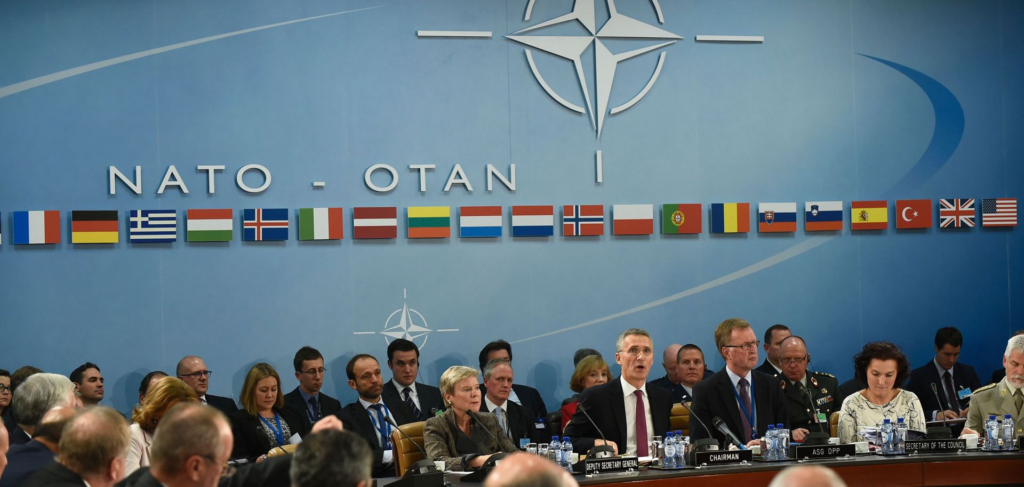
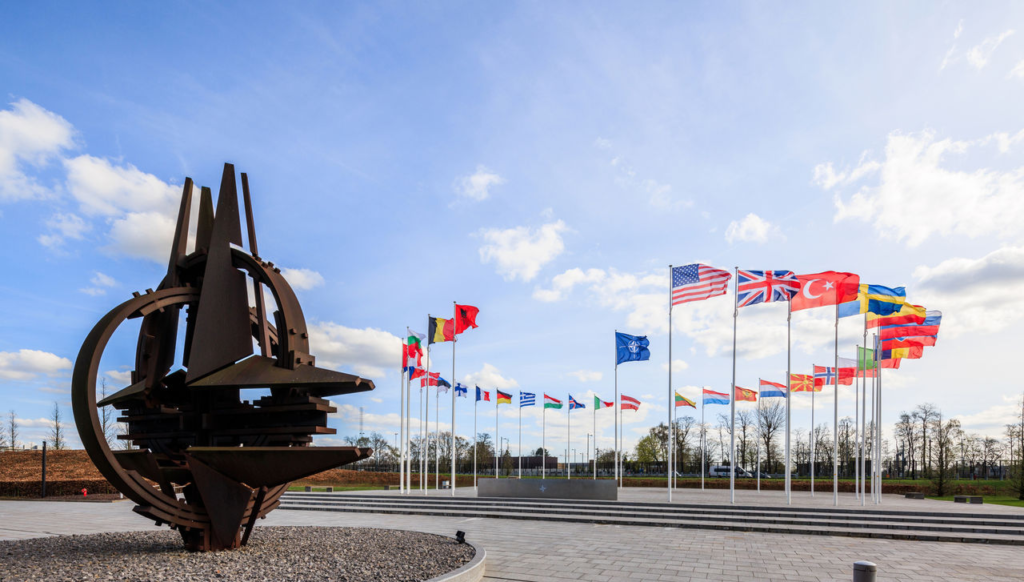
As of 2026, NATO reports 32 members, which include the accession of Finland in 2023 and Sweden in 2024. The organization’s headquarters is in Brussels, Belgium, which also includes the Allied Command Operations headquarters in Mons, Belgium.
Objectives of NATO
NATO, which is founded on the principle of collective defense and cooperation between member states. In terms of goals, they may be put into two main categories:
Political Objectives
NATO is a proponent of democracy, individual freedom, and the rule of law. It serves as a forum for member countries, which they use to address security issues, resolve differences peaceably, and grow their diplomatic ties. Through dialogue and cooperation, NATO works to put out conflicts before they grow into full-scale wars.
Military Objectives
The alliance is dedicated to the protection of its members from external threats. Per Article 5 of the Washington Treaty, which states that an attack against one member is in fact an attack against them all, this principle is the basis of NATO’s collective defense system. Also, it is interesting to note that Article 5 has only been put into play once in the history of NATO, which was after the U.S. attacks on September 11, 2001.
How NATO Functions
Unlike what we see in a traditional military, which has a large stand-alone army, NATO does not field its own large army. Member countries instead put forward their military personnel and resources as needed. In terms of decision-making within NATO, we see that it is by consensus, which in turn gives each member equal say, which is independent of that member’s size or military power.
NATO also works with a variety of partner countries and organizations, in which we see the Euro-Atlantic Partnership Council (EAPC), the Partnership for Peace (PfP) program, the Mediterranean Dialogue, and the Istanbul Cooperation Initiative. These partnerships are what allow security cooperation to extend past the borders of NATO.
Why 2026 NATO Still Relevant?
NATO came into existence as a response to the security issues that came out of World War II and the Cold War. But also its relevance has grown in the 21st century as we see in the world the issues of terrorism, cyber attacks, regional conflicts, and geopolitical tensions.
The alliance has reevaluated its strategies, which it implements in response to these challenges, at the same time that it is very much dedicated to its fundamental mission of protecting peace, stability, and democratic values within its members.
Conclusion
For over seventy five years since its founding, NATO has been the preeminent security alliance in the world. Through collective defense, political cooperation, and strategic partnerships, it still plays a key role in upholding international stability. As global issues change, so does NATO transform and bring together nations for common security goals, which ensures that it will remain a large player in world affairs for the coming years.
About the Author