

Going on a China trip can be very exciting, but a China trip will not work the same as a trip in the rest of the world. In mainland China, so many of the most popular apps to use internationally, including Google Maps, WhatsApp, Instagram, Facebook, YouTube, and Gmail, do not work or have limited access due to the rules that the Chinese government has enforced regarding the internet. Therefore, it is crucial to have your smartphone ready before you leave home.
On the bright side, there are several Chinese apps that have been created to provide assistance when traveling in China. All types of these apps range from ways to pay digitally to ways to get around physically, to language translation services, and ways to navigate through China. The major thing you will need to make sure to do is download and set up these apps before getting to China.
1. Alipay – Your Digital Wallet
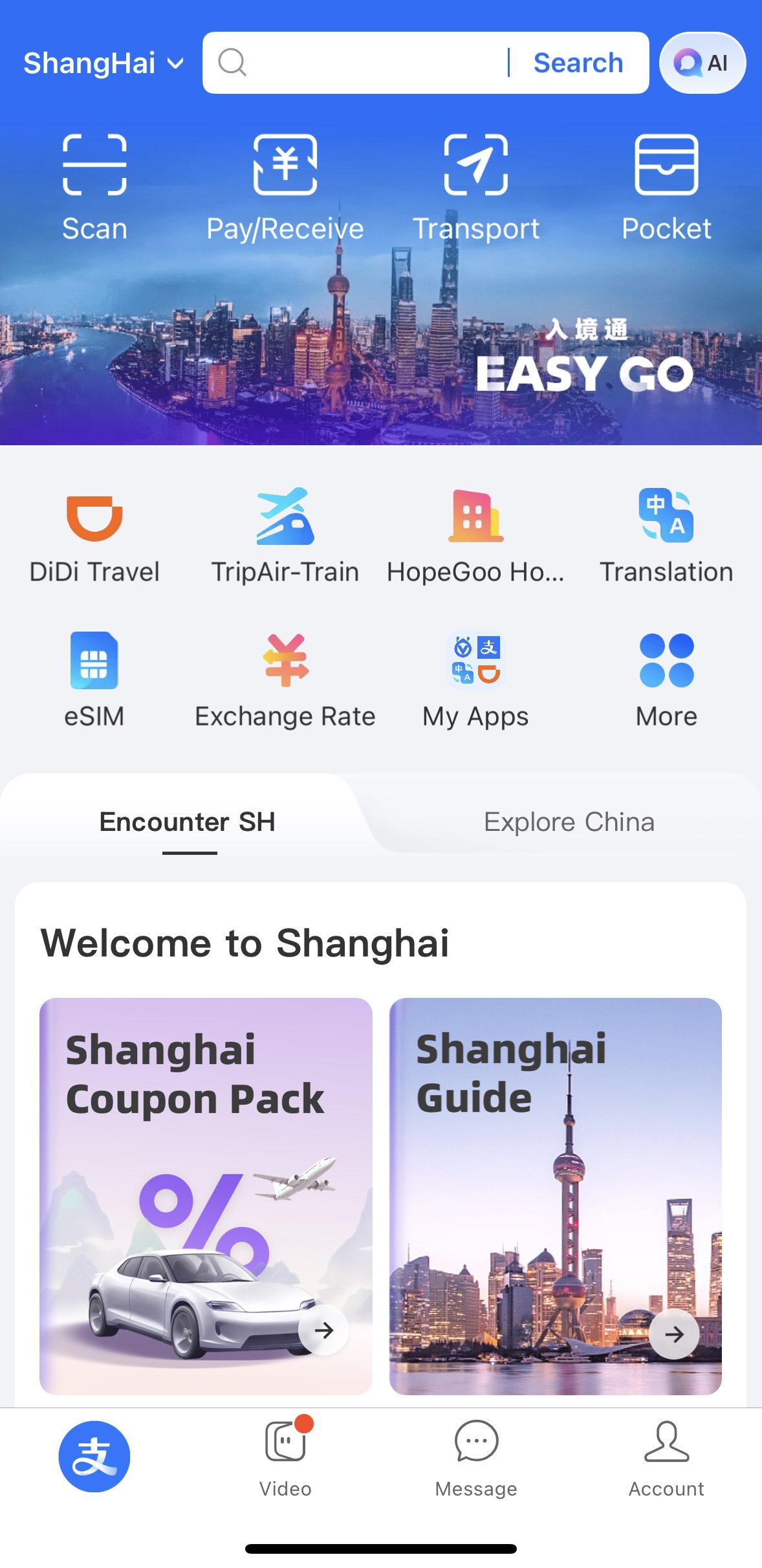
Alipay is the most widely used payment platform in China and is accepted for most everything you might want to purchase, such as food/entertainment/shopping/public transportation, or admission tickets. Therefore, you will save yourself a substantial amount of time, money, and headache by preparing for your trip by having Alipay set up before you departed for China. You can use your international bank card via Alipay; therefore, you can avoid using cash altogether.
2. WeChat – More Than Just Messaging

WeChat is the all-in-one app that you will use to communicate with friends/family, to send and receive money to others, to book services, as well as to provide social media updates, and to connect with some businesses. Hotels, restaurants, and local tour operators commonly use WeChat as their preferred communication channel.
3. DiDi – China’s Ride-Hailing Service
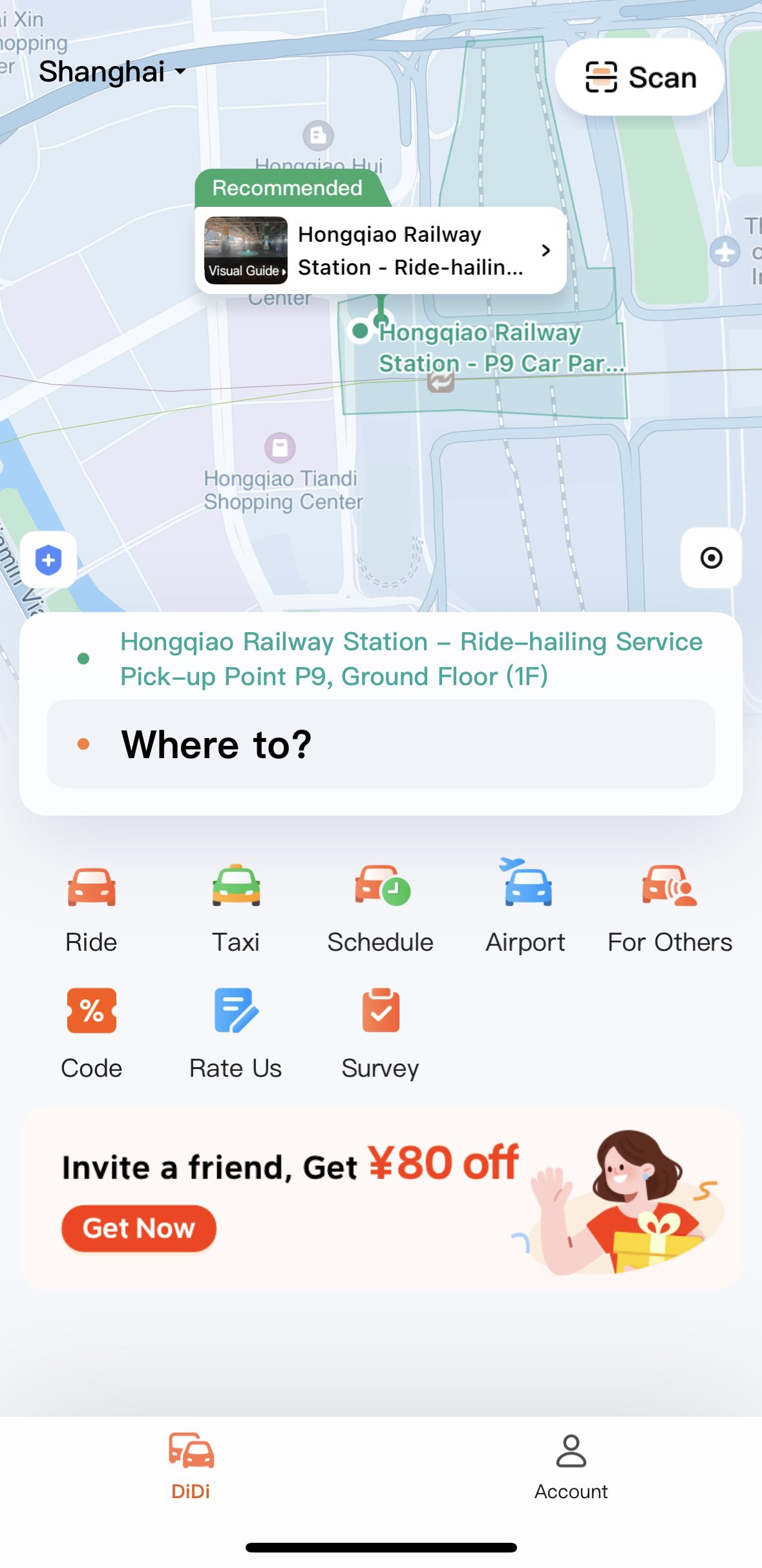
If you need convenient transportation, DiDi is the best alternative to Uber. The app offers English-language support, transparent fares, and multiple vehicle options. Built-in translation tools also help passengers communicate with drivers, making travel much easier for international visitors.
4. Amap or Apple Maps
Since Google Maps has limited functionality in mainland China, travellers should install Amap or rely on Apple Maps if using an iPhone. These navigation apps provide accurate directions, public transport information, and nearby attractions, ensuring smooth travel throughout your trip.
5. Translation Apps
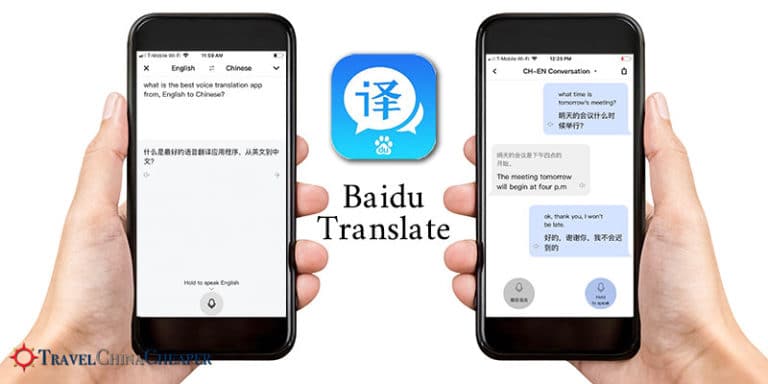
Language can be a challenge in many parts of China. Several mobile apps can be beneficial for translating conversations, menus at restaurants, signs, and information about what to buy. They are typically very reliable for use when there is either a mobile data connection or allude to the presence of a VPN (a virtual private network). In particular, the camera translation functions on many of these apps make it possible to communicate even more easily.
6. Use an eSIM and use a VPN
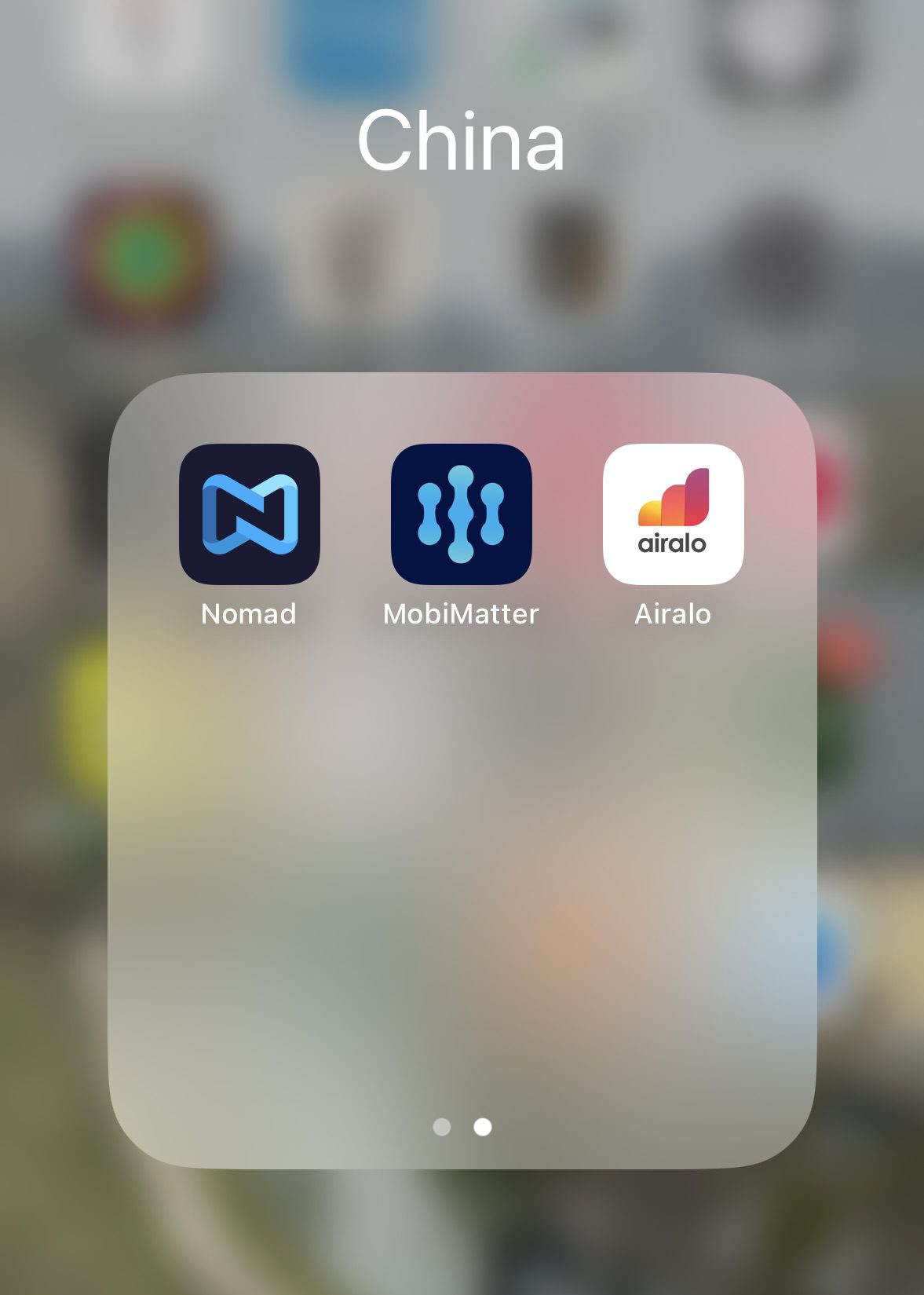
When travelling, it is important to have a reliable Internet connection. Using an international eSIM allows travellers to remain connected without having to physically replace their existing SIM card or eSIM. Travellers often set up their VPN account before arriving in China so that they can access blocked websites and services such as Google, Gmail, YouTube, WhatsApp, and Instagram while they are in China. It is strongly recommended that you download your VPN client before arriving in China.
7. Use the Google Lens App

If you are travelling, the Google Lens app is an excellent tool to instantly translate printed Chinese text with your phone’s camera. Using Google Lens, you can easily translate menus, product labels, and transportation signs to help you bridge the language barrier easily and quickly.
Bonus Apps You Should Consider Installing

If you are going to be in the same area for an extended period of time, you should download the [Dianping App] to receive restaurant recommendations and reviews, as well as [Meituan] to use for ordering food, booking hotels, purchasing tickets to attractions, and receiving discounts. These applications can help enhance the local experience and assist you in finding those hidden gems that may be found outside the commonly traveled tourist areas.
About the Author