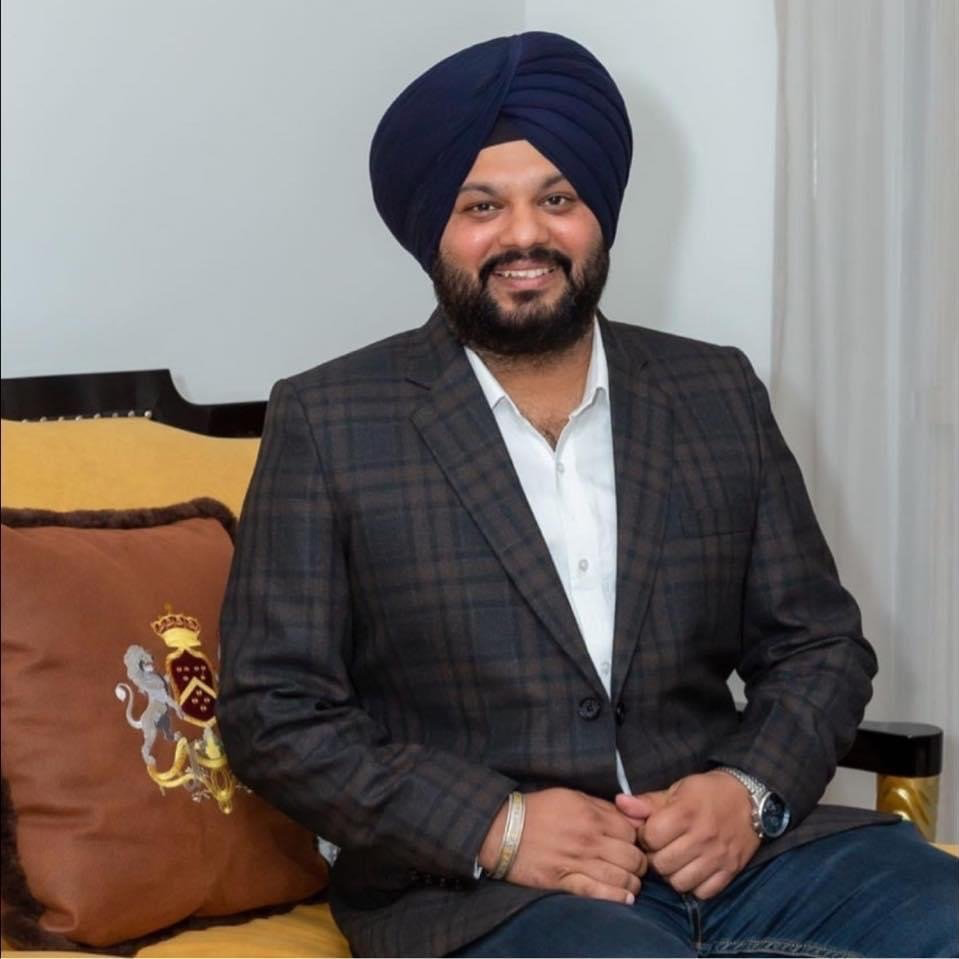

Simranjot Singh Makkar has become a familiar name in Punjabi journalism through his no-frills interview style, dedication to public interest reports, and in-depth look at social issues. Over the years, he has developed a reputation for reporting what other networks may shy away from, including stories that reach across many cultures. His work has won him a large audience of Punjabi-speaking viewers, which in turn is a result of his provision of in-depth and thought-out news coverage.
Simranjot Singh Makkar Biography
Born into this world on 3 February 1990 in Malout, which is in the Muktsar district of Punjab, India, Simranjot Singh Makkar grew up in an environment which shaped his outlook on Punjabi culture and society. He did his schooling at DAV School and Sacred Heart Convent School before he went off to higher education. His academic path took him to journalism, which was a field that combined his communication skills with his interest in public affairs.
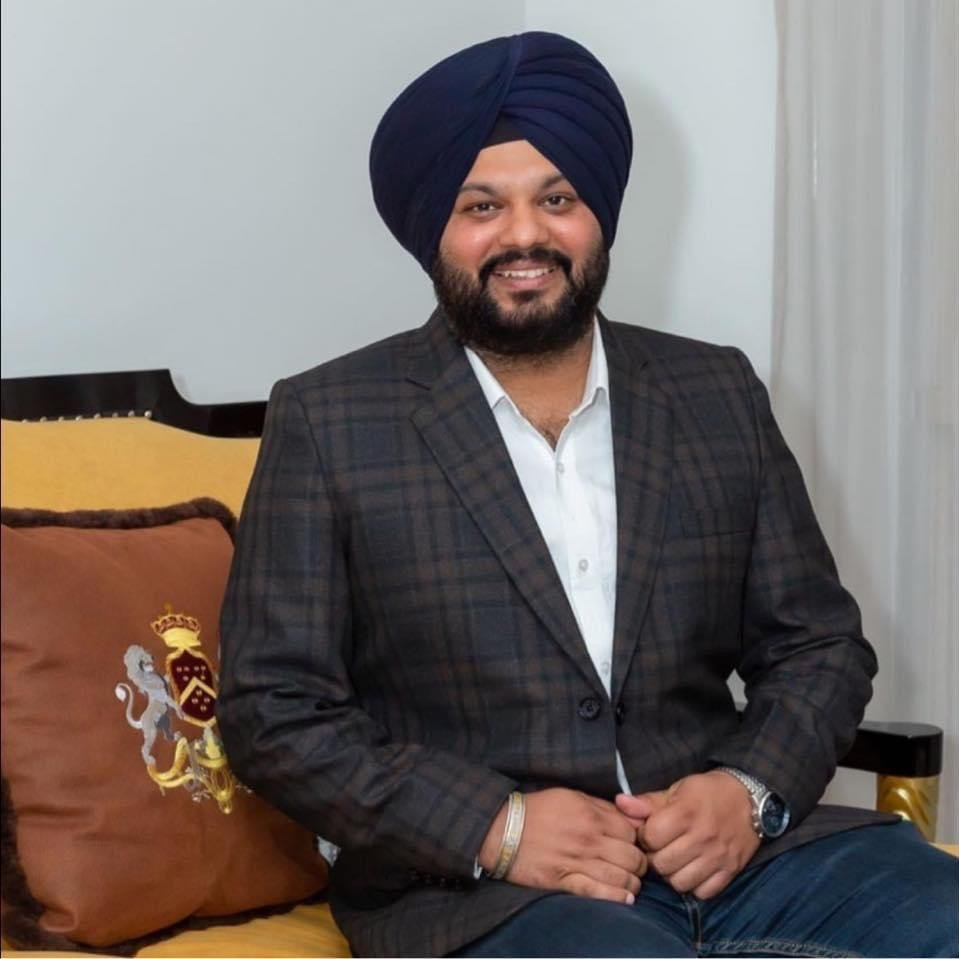
Makkar got into professional journalism in 2012. Like many aspiring journalists, he began with the basics of news reportage, interviews, and public communication. By perseverance and constant work, he slowly made a place for himself in the Punjabi media. What made him stand out was his focus on in-depth yet simple reporting, which in turn won him over with the audience.
Makkar’s Career
One of the many things that define Simranjot Singh Makkar’s career is his association with SMTV Punjabi, which he has had the privilege to serve in senior editorial and admin roles. He has been a host of interviews, a reporter of current affairs, and has discussed social, political, and cultural issues that affect the people of Punjab. Instead of sticking to traditional news reportage he tends to bring in experts, public figures, entrepreneurs, activists and community leaders to our: also share their points of view with the audience.
Makkar is known for his no-nonsense, analytical style, which is also very engaging. He puts in deep questions which, in turn, get guests to present their points of view better. This has made his interviews very popular on digital platforms, which in turn see large-scale public engagement. He covers a wide range of topics which include education, health care, agriculture, entrepreneurship, religion, sports and social reform.
Another of his best-known traits as a journalist is that he reports on what many may find difficult social issues. Over his career, he has covered issues like that of caste discrimination, superstition, governance, and public accountability. By bringing these to light, he provokes thought among the audience and raises awareness. His in-depth look at social issues has, in turn, made him a journalist who reports not just what happened but also the large-scale social issues that accompany them.
Recognition of his growth in the field has gone hand in hand with the impact of his work. He has been named among the influential in Punjab by regional press, which is an indication of his presence in the state’s media. In 2024, he was also a recipient of the Disha Indian Award Pride of Nation, which recognized his professional success and public service.
As digital media transforms journalism, Simranjot Singh Makkar has done this very well. He has adapted to what our audiences want out of the gate and into the digital space, which he does via TV as well as online platforms, thus extending his reach into India and the global Punjabi community. This digital footprint of his has put his journalism to the forefront and at the fore of public discussion.
Conclusion
By 2026, Makkar is still seen as a respected figure in Punjabi media. He is known for reporting that is consistent and thought out and that gets the public involved in modern journalism. As the media continues to change very quickly, he has held to reporting that is about having meaningful conversations and doing reporting that is socially relevant, which has defined his professional growth.
In the end, Simranjot Singh Makkar’s bio, which is of a journalist who did it all and put in the hard work, also includes great communication skills and a dedication to public issues, which has fueled his success. From his roots in Punjab to becoming a known media figure, he proved how responsible journalism does the work of informing, questioning, and inspiring the people. As he goes on in his career, he is a force to be noted in Punjabi journalism and a model of how media professionals may very much improve the public discourse.
About the Author